
CASE STUDY

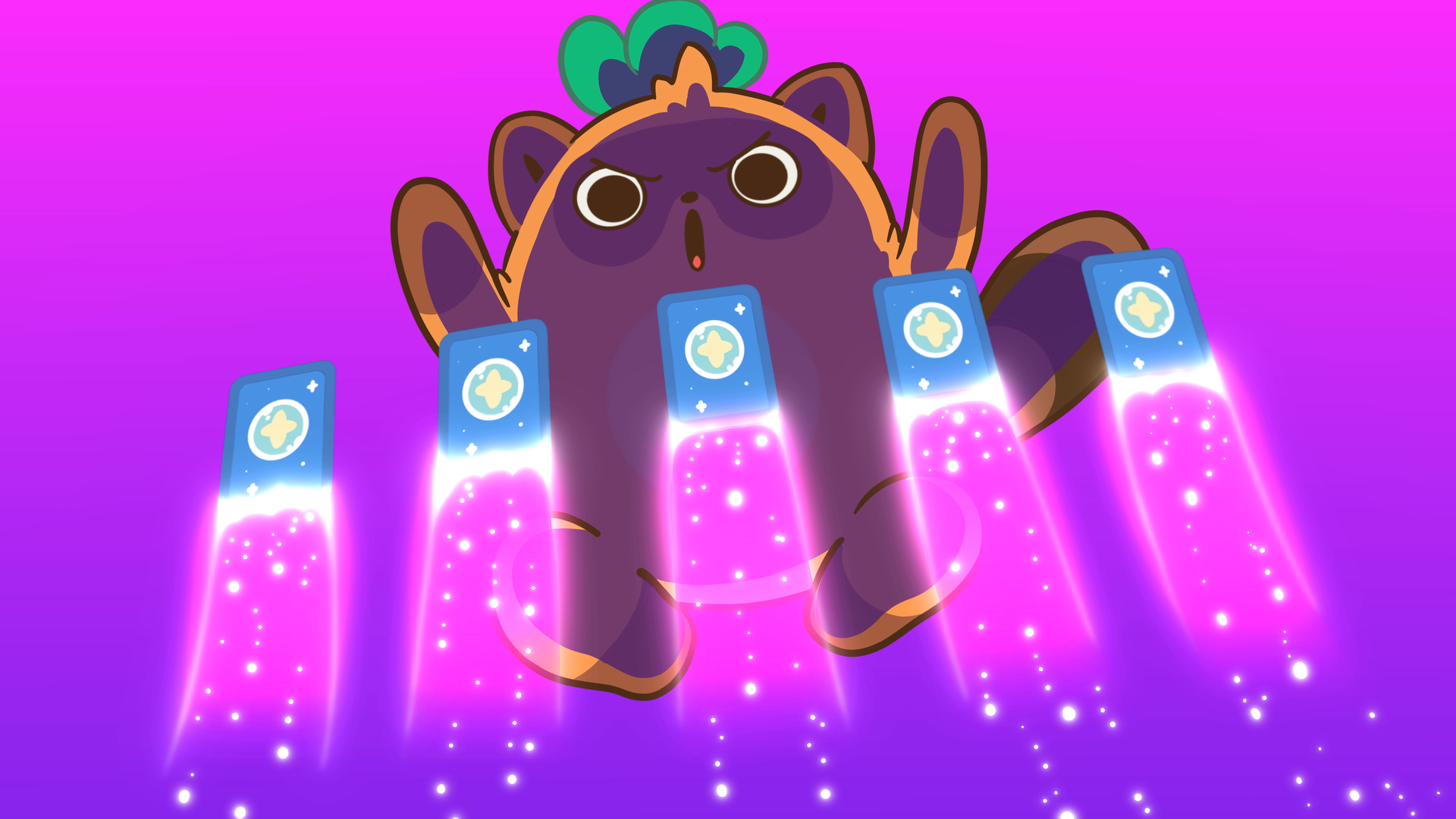
During my time as Creative Director at Moku, I directed the visual strategy for the Grand Arena, a gaming ecosystem built on the Ronin Network. I oversaw the transformation of the Moki NFT into a functional digital trading card game with the team, leading the design and creative execution to deepen community engagement and expand the utility of the brand’s core IP.
BACK TO
JUMP TO

THE CHALLENGE
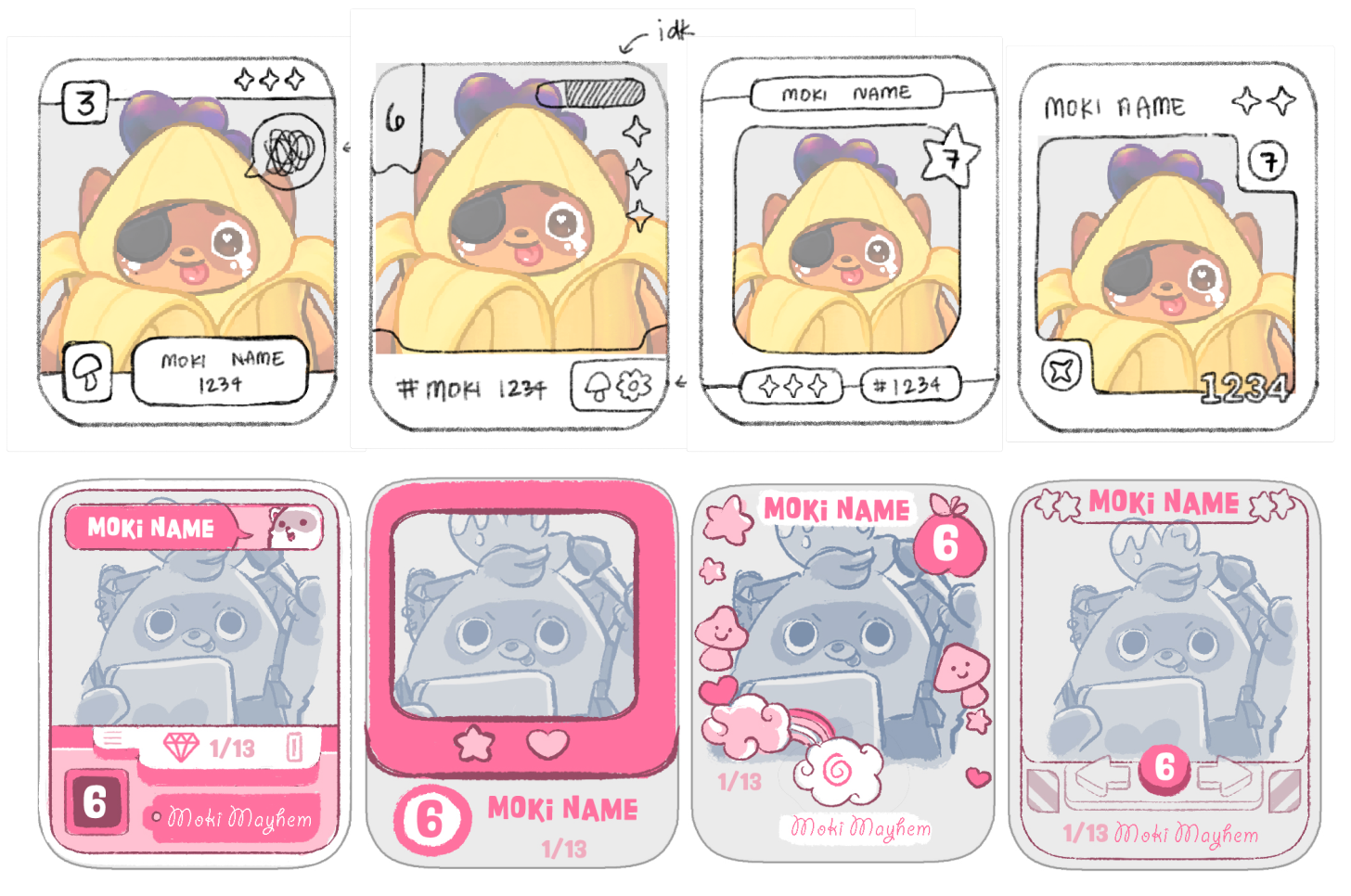
The Goal: We needed to create a digital trading card game (TCG) that felt instantly recognizable to card collectors while staying true to the playful, slightly irreverent Moku spirit.
Sketches by Rachel Yoon and Rafa Gallardo.
THE CONSTRAINTS
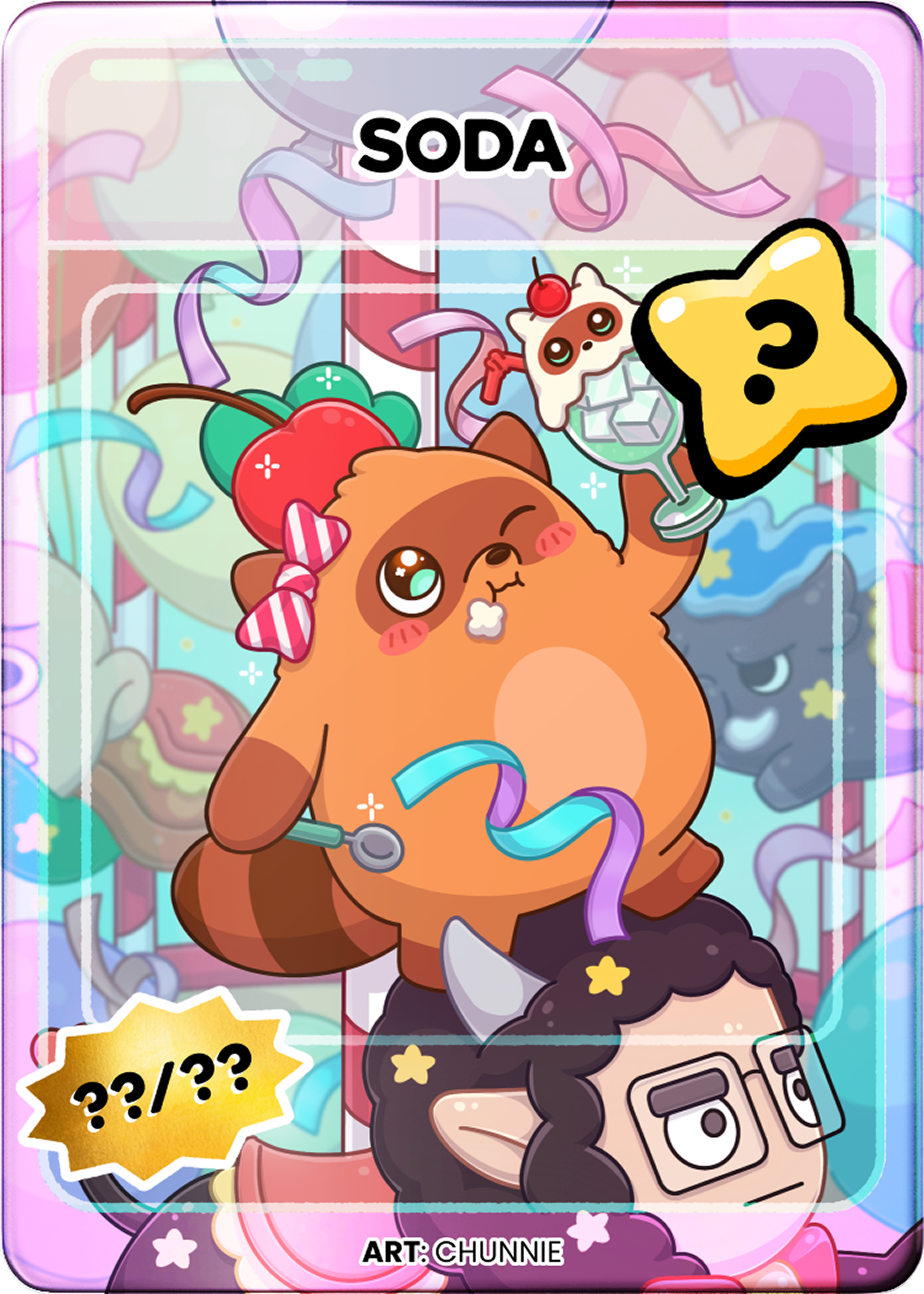
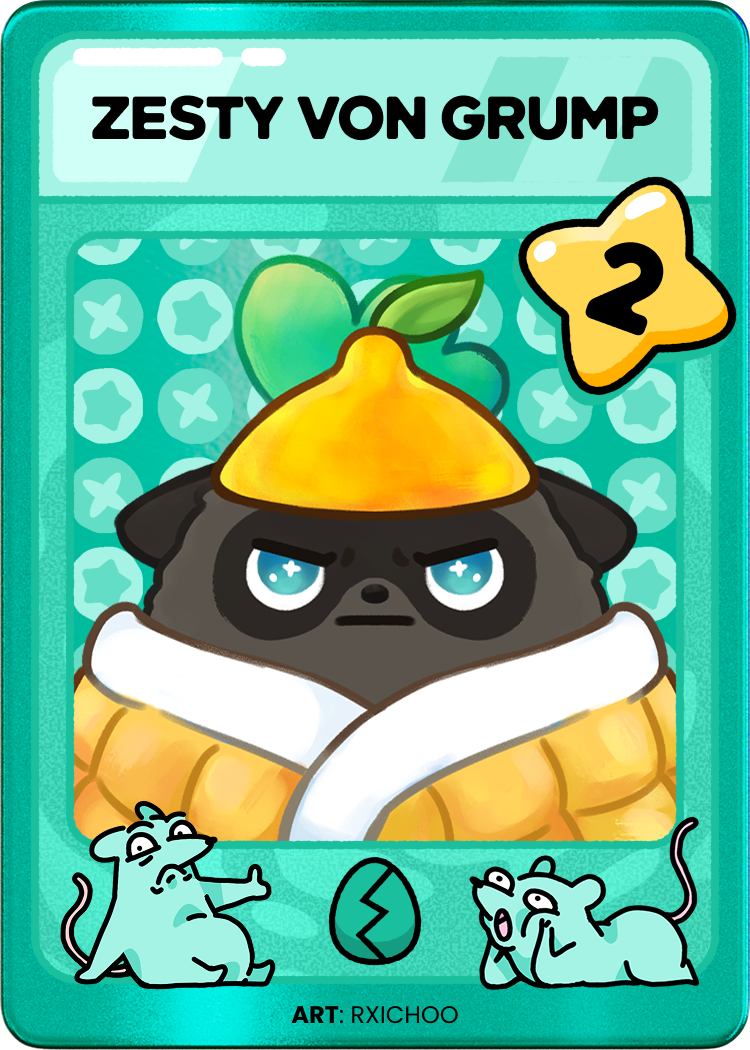
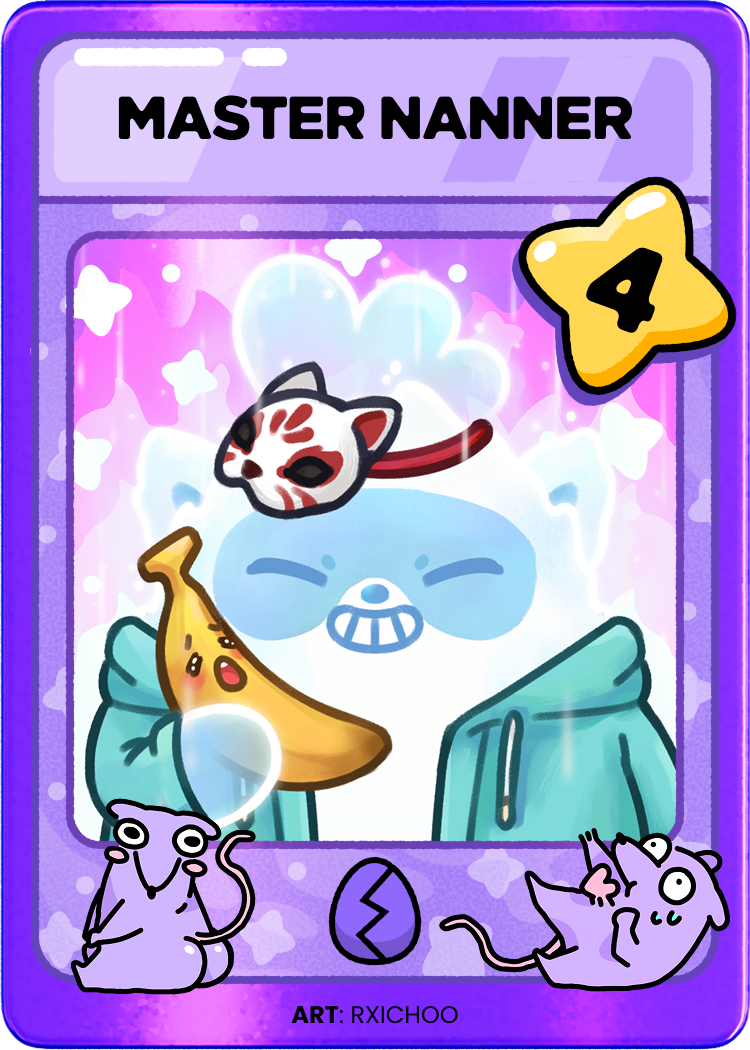
Information Density: Most TCGs are cluttered. We wanted a "clean" look—just the name, artist, star rank, and badge space. This meant standard layout references wouldn't work; we had to reinvent the visual hierarchy from scratch.

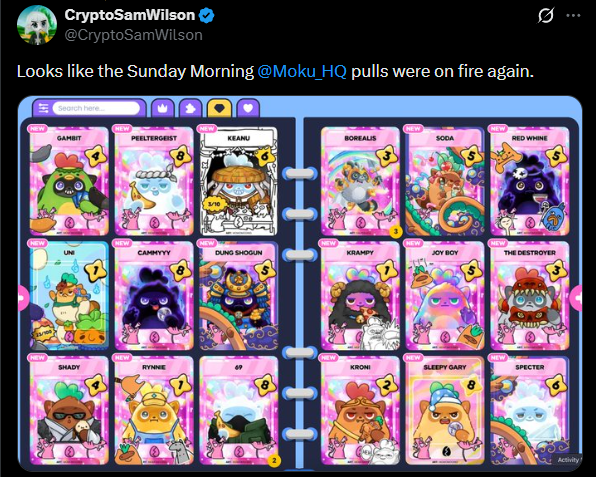
The "Binder" Feel: The cards had to look just as good in a digital collection/binder as they did individually.
Scalability: The system needed to support everything from standard cards to rare "1-of-1" alternative art pieces and future holographic foils.
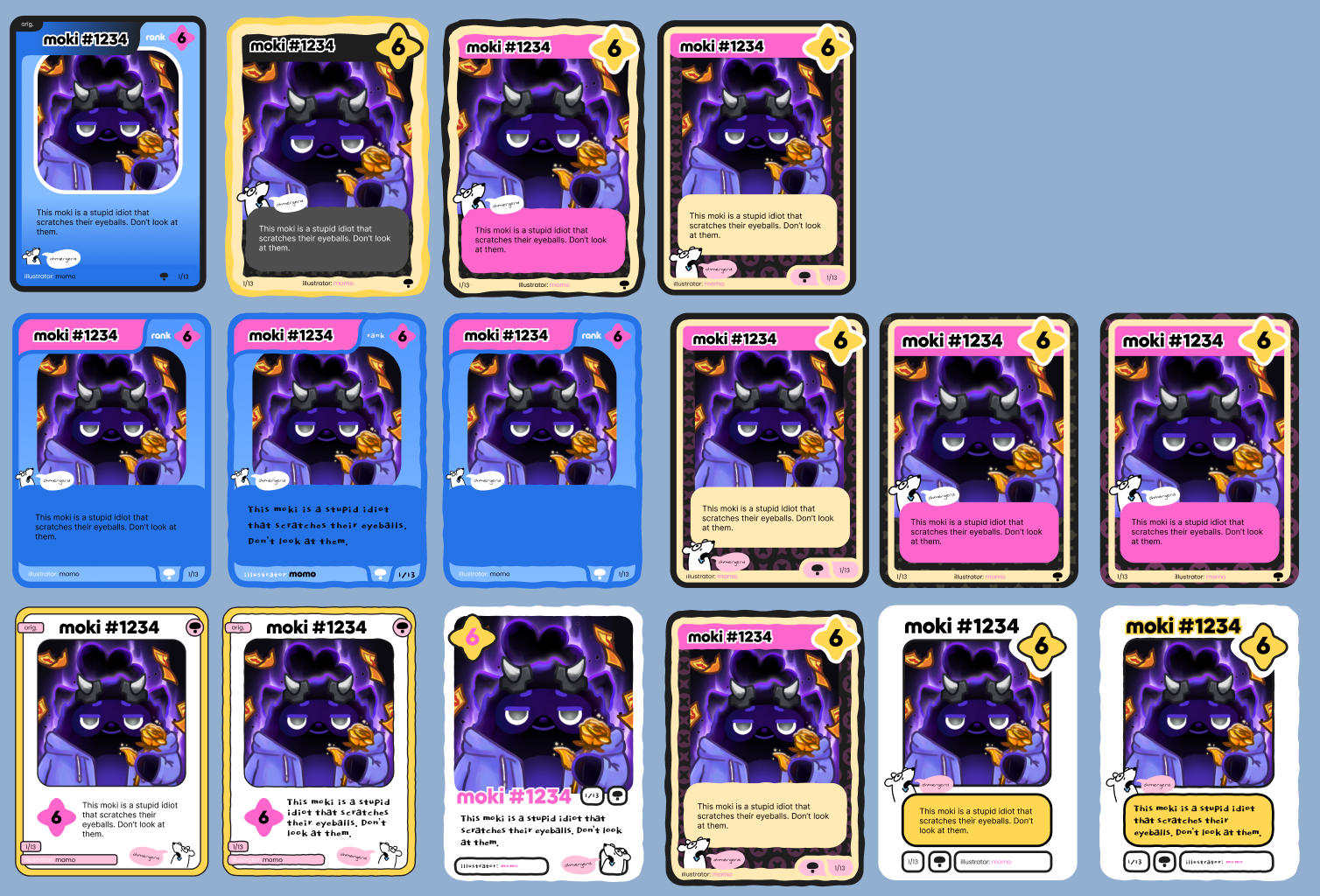
EXPLORATION: DEFINING VISUAL RULES
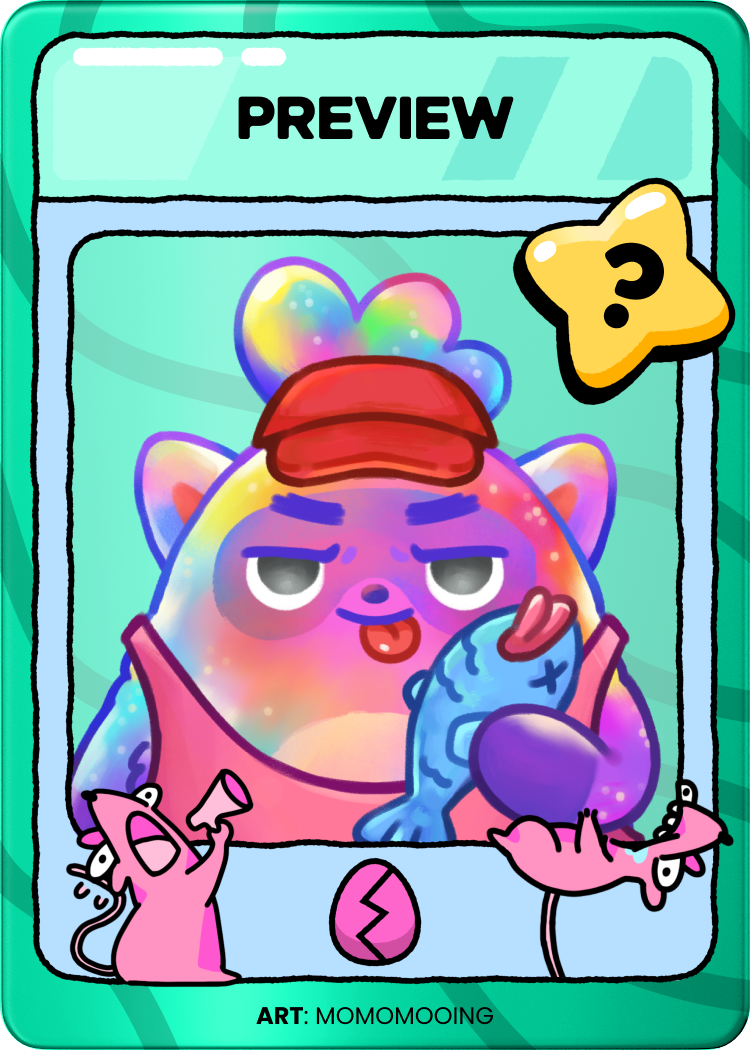
Visual Hierarchy: We swapped traditional rarity symbols for a clear, brand-aligned color progression (Gray to Pink). This system was integrated into an expandable card layout that prioritizes immediate legibility; by offsetting the rank star within a balanced frame, we ensured the most critical gameplay information was prioritized visually.
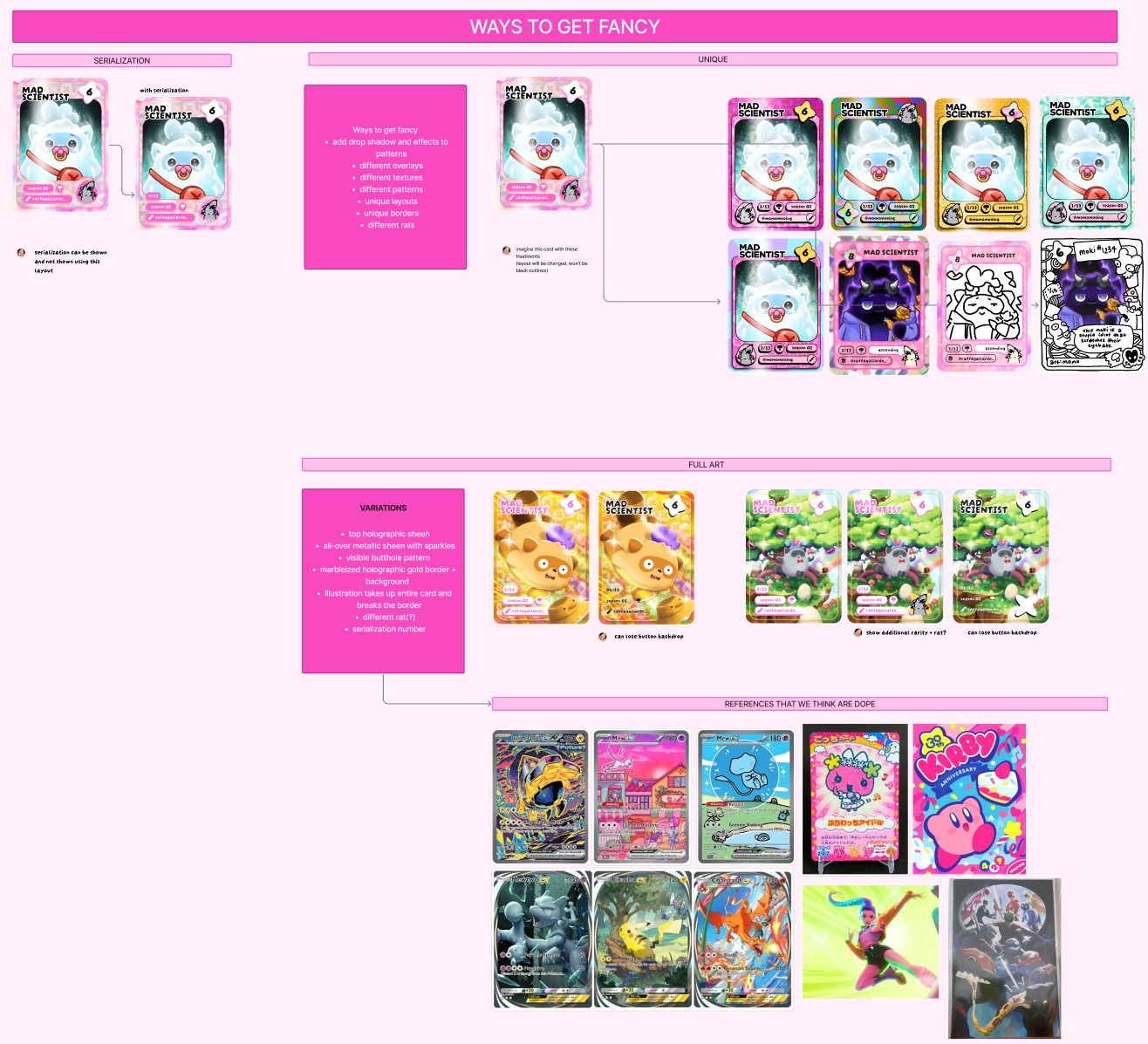
To capture the Moku vibe, we balanced premium 2D and 3D art with our signature humor, famously represented by "the rats." This combination of high-polish design and playful irreverence reinforces our core brand identity: we create beautiful, high-quality products without taking ourselves too seriously.
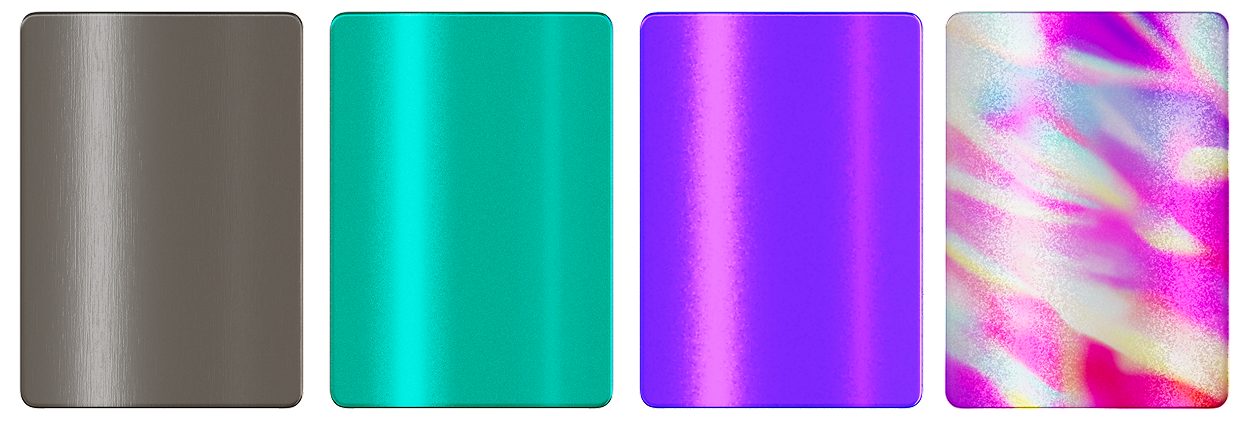
CG Cards were developed in Autodesk Maya and Substance Painter by me.
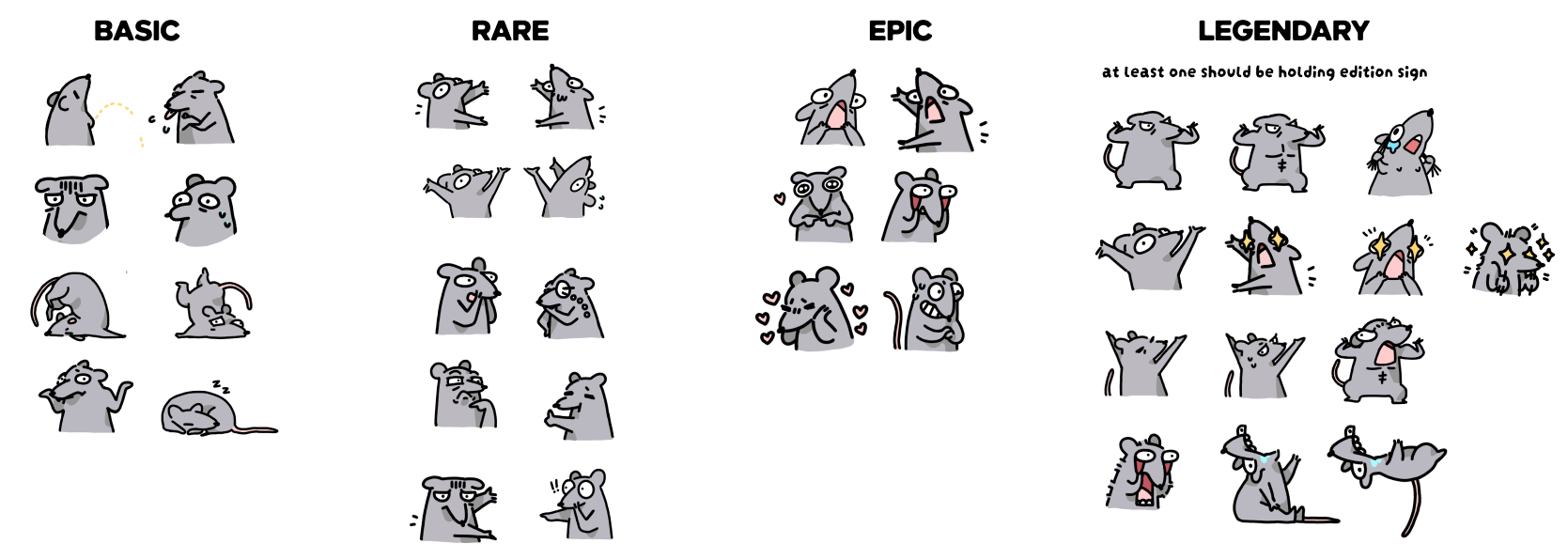
Rat Master: Rachel Yoon
FINAL CARD FRONTS
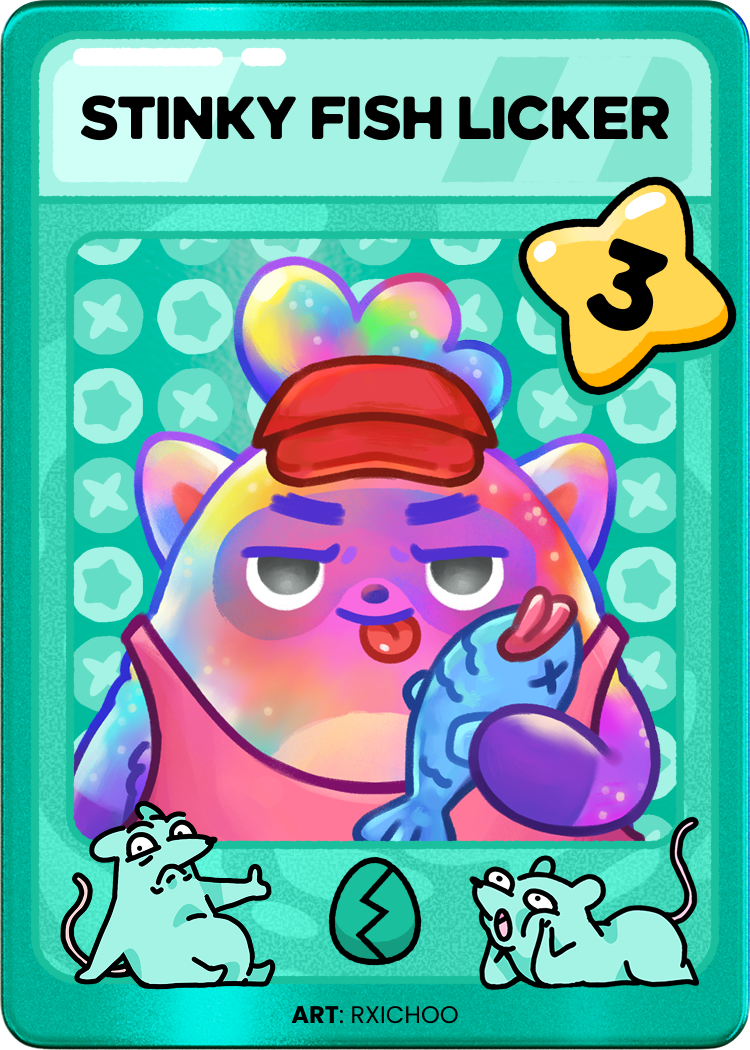
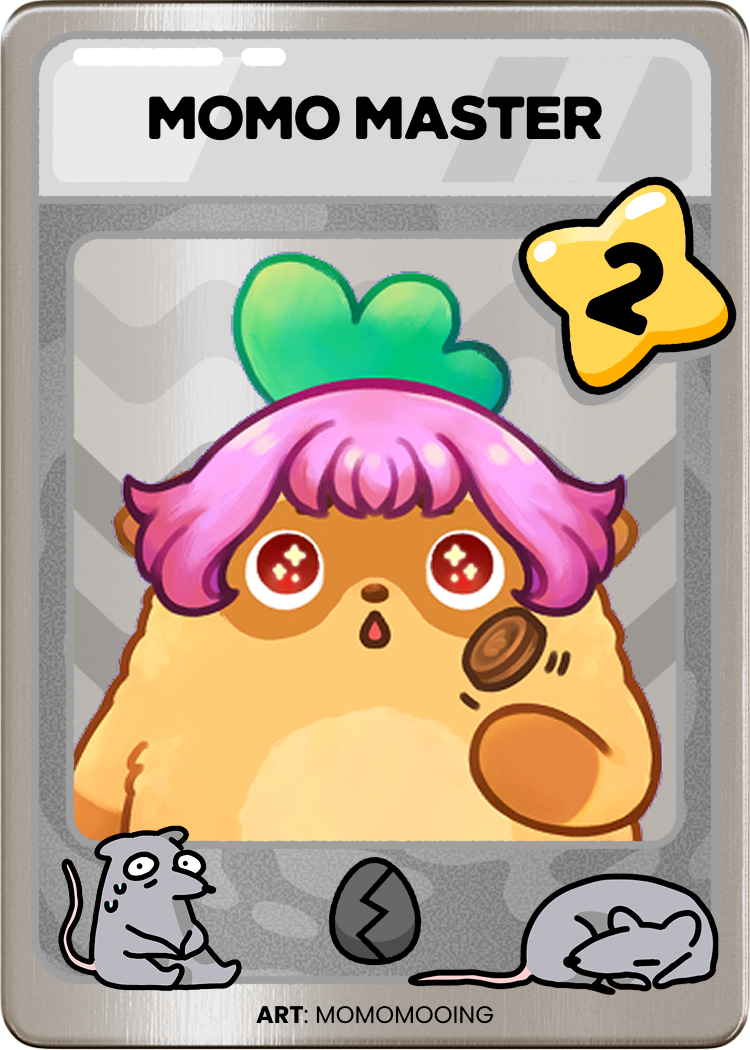
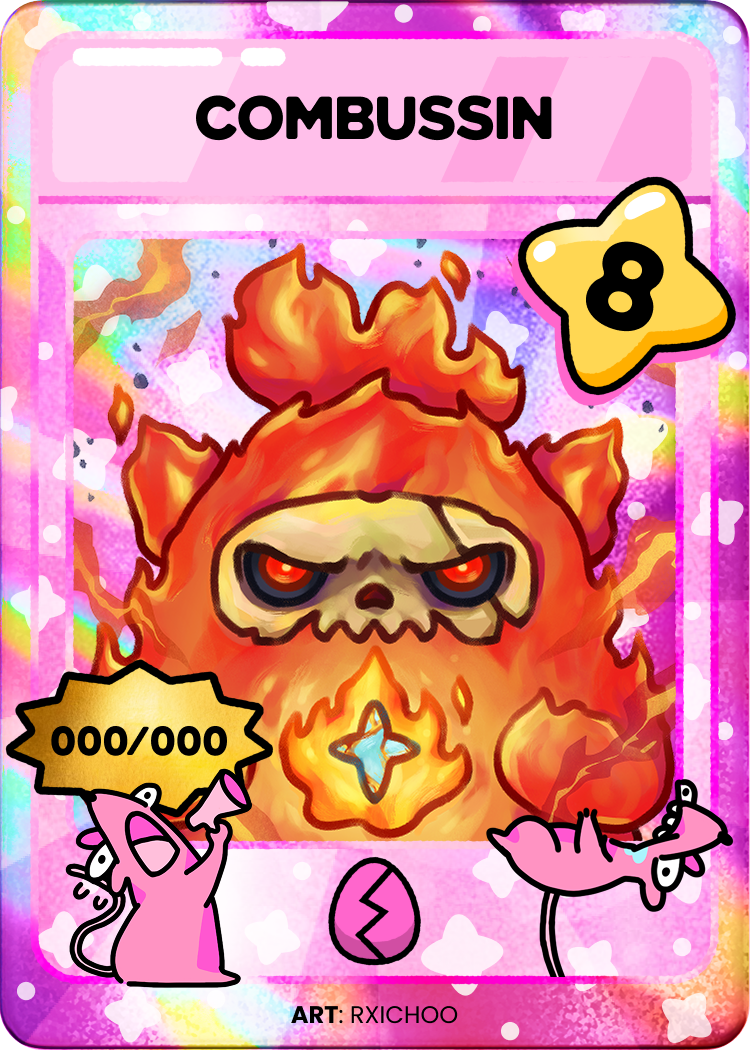
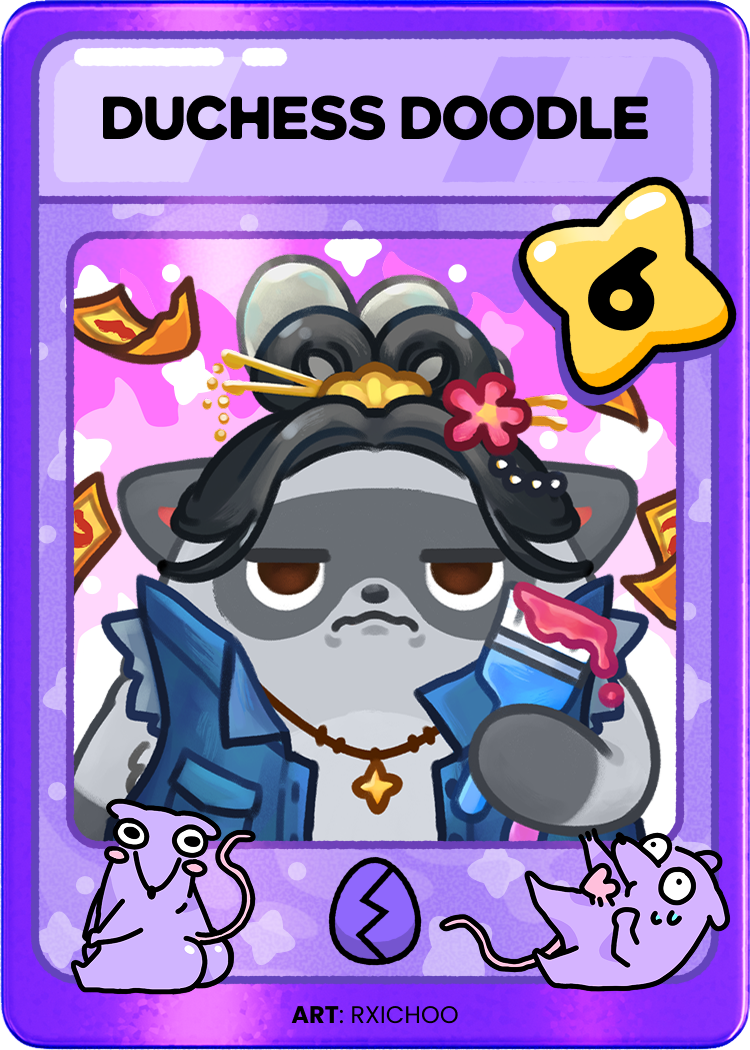
CARD BACKS
What began as a simple NFT trait evolved into a sophisticated 2D/3D hybrid design built for "future-proofing." By designing for both motion and still assets, we secured high-quality visuals for the initial launch while ensuring the cards could seamlessly transition into "living" assets as the platform evolved.




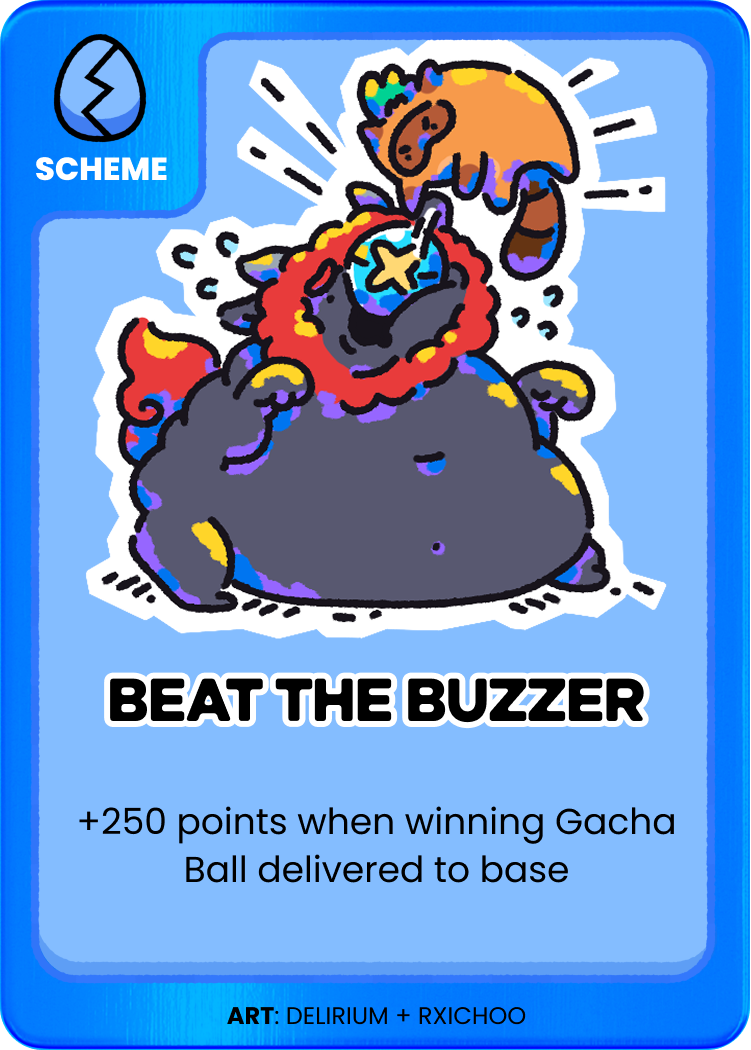
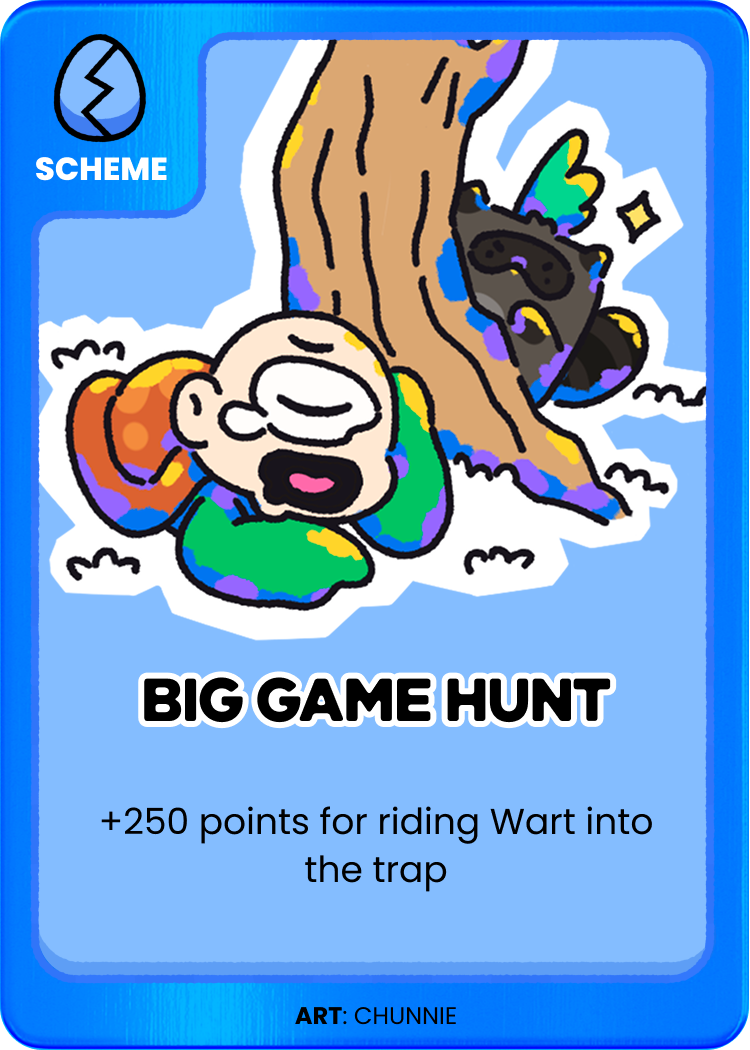
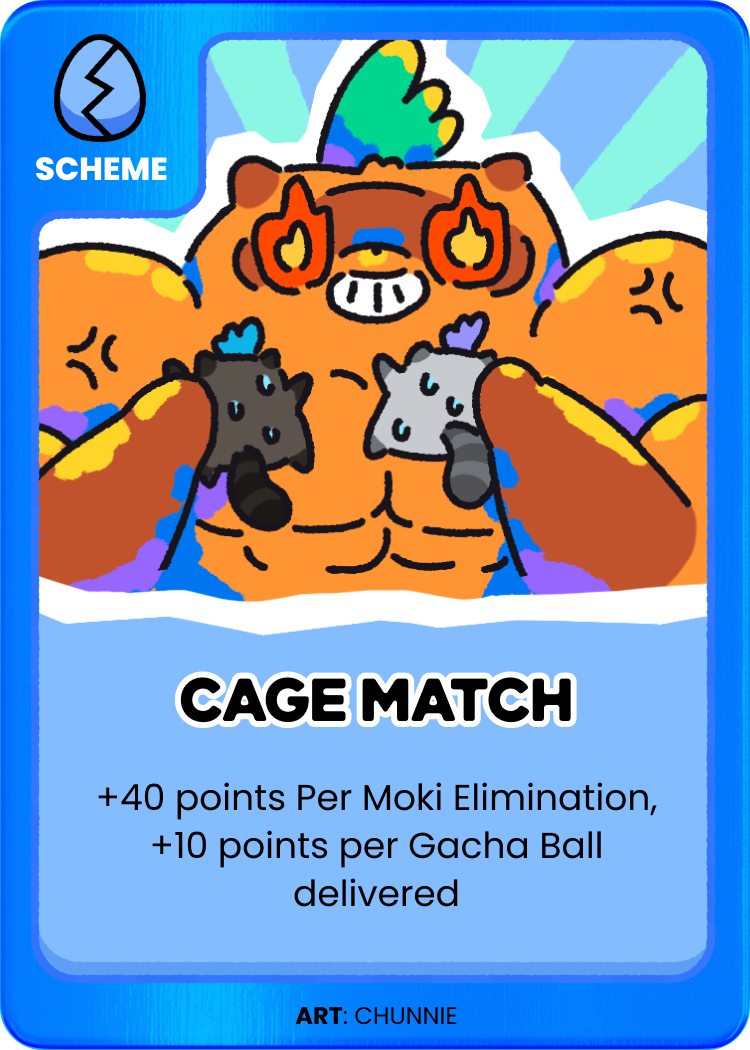
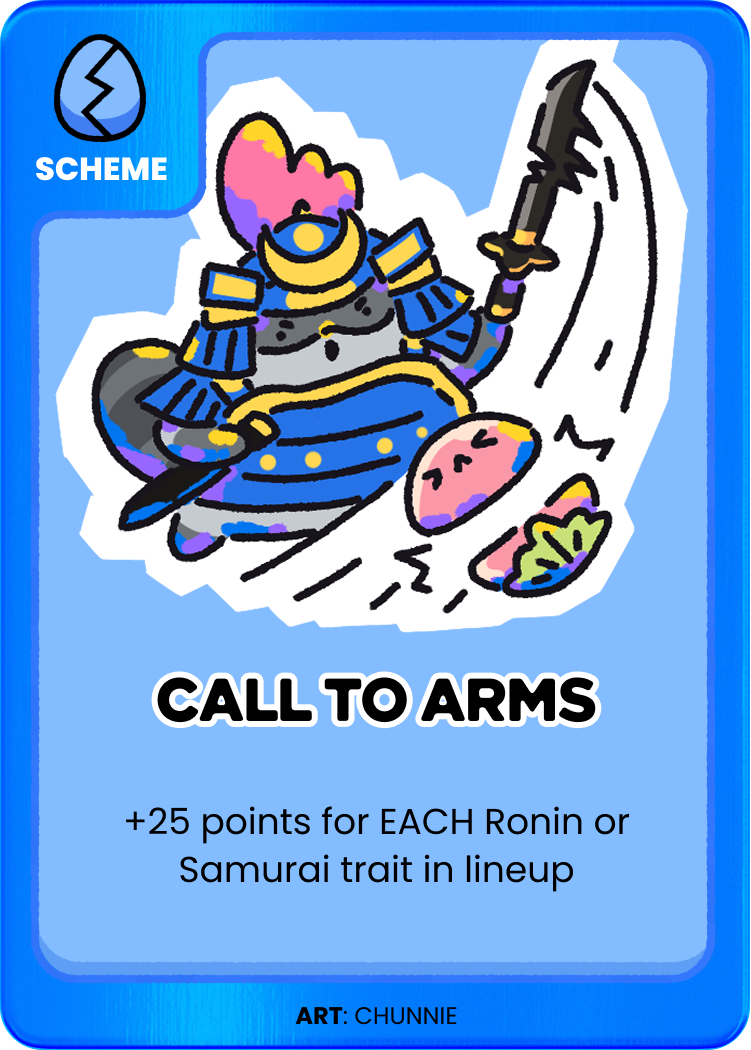
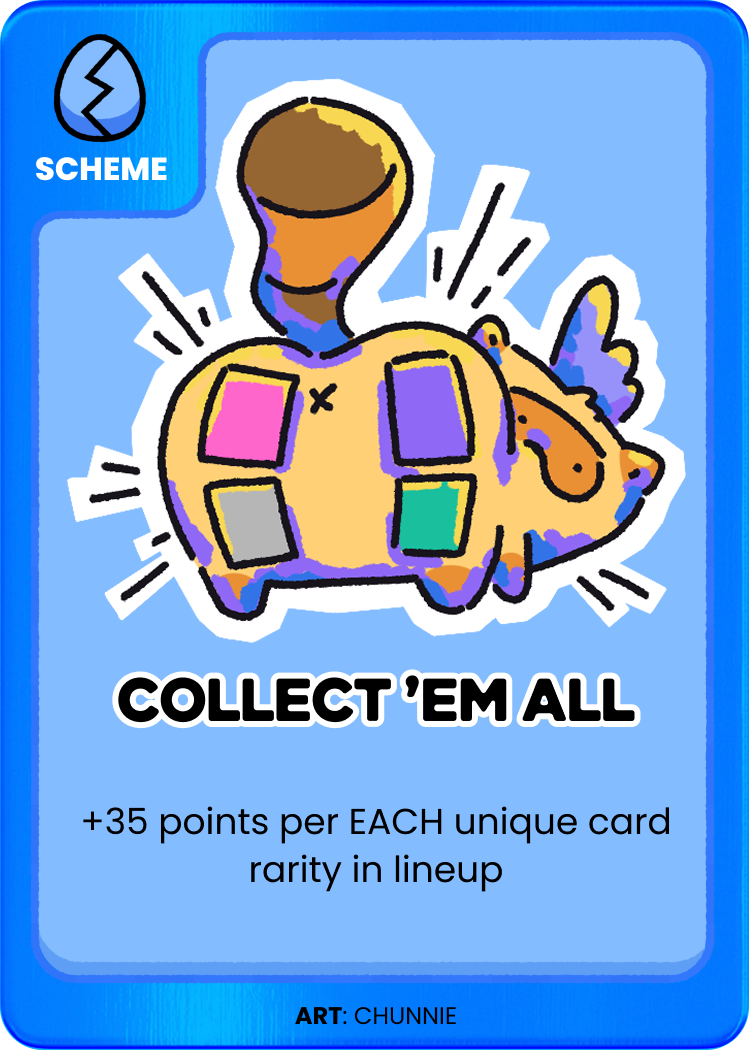
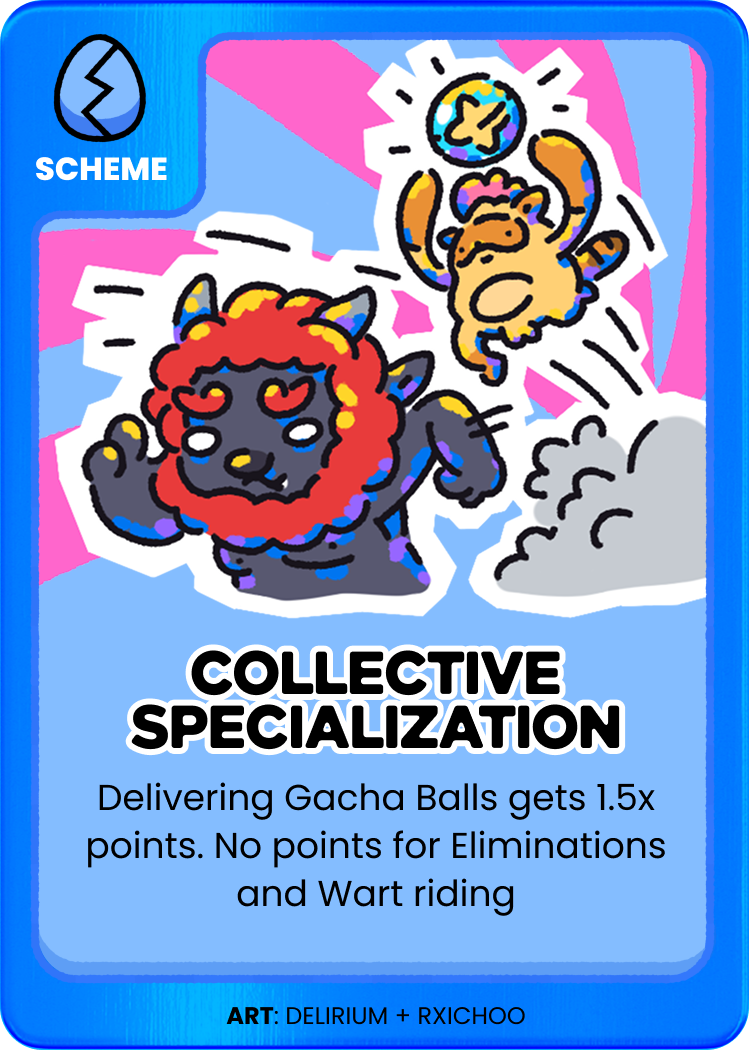
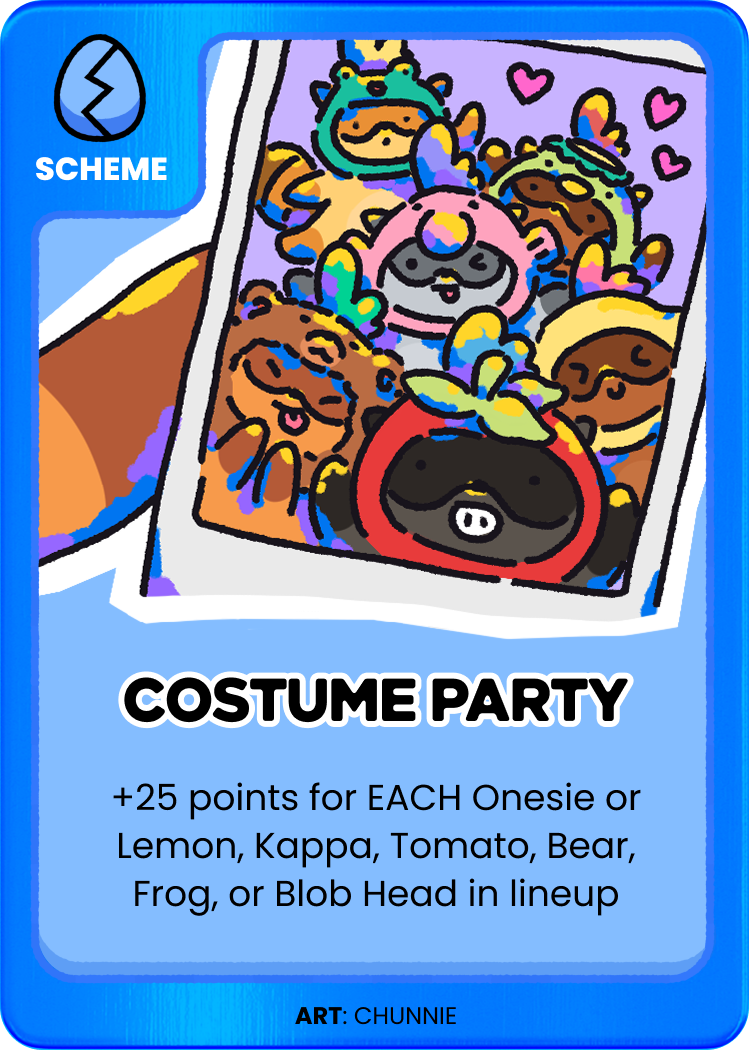
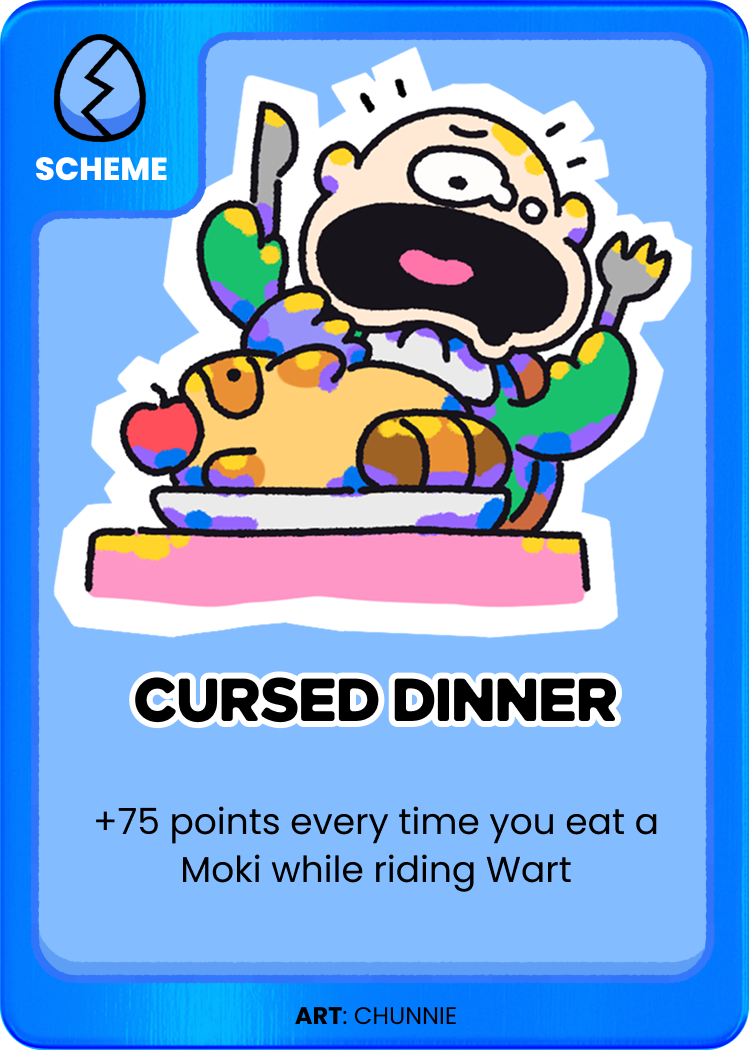
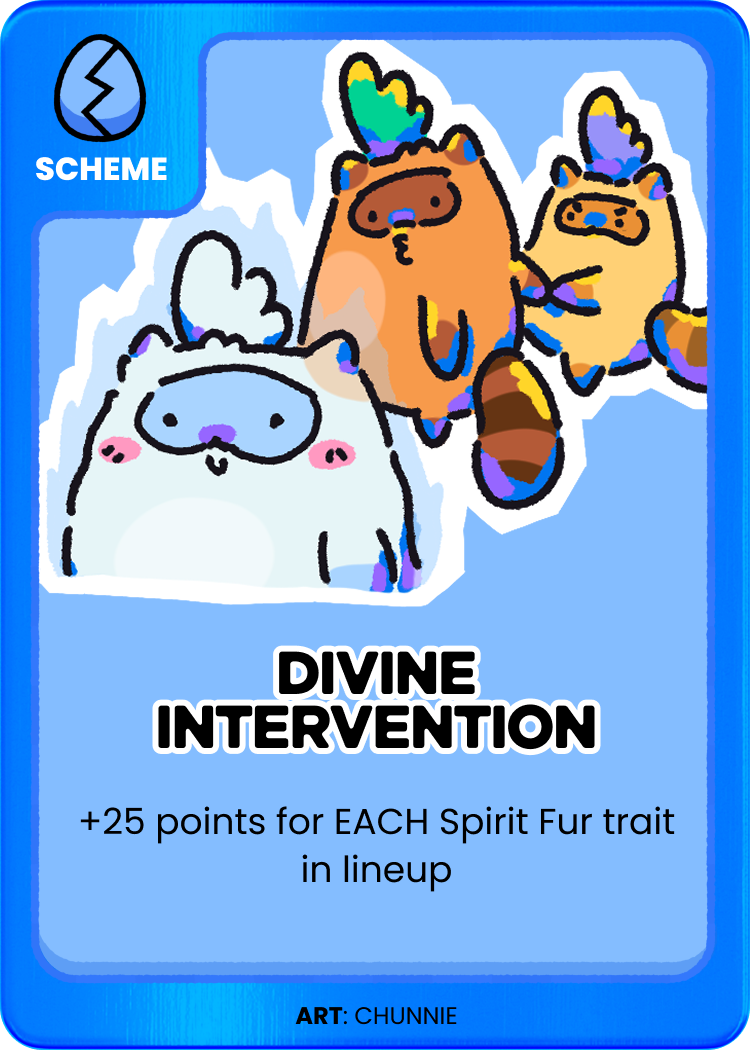
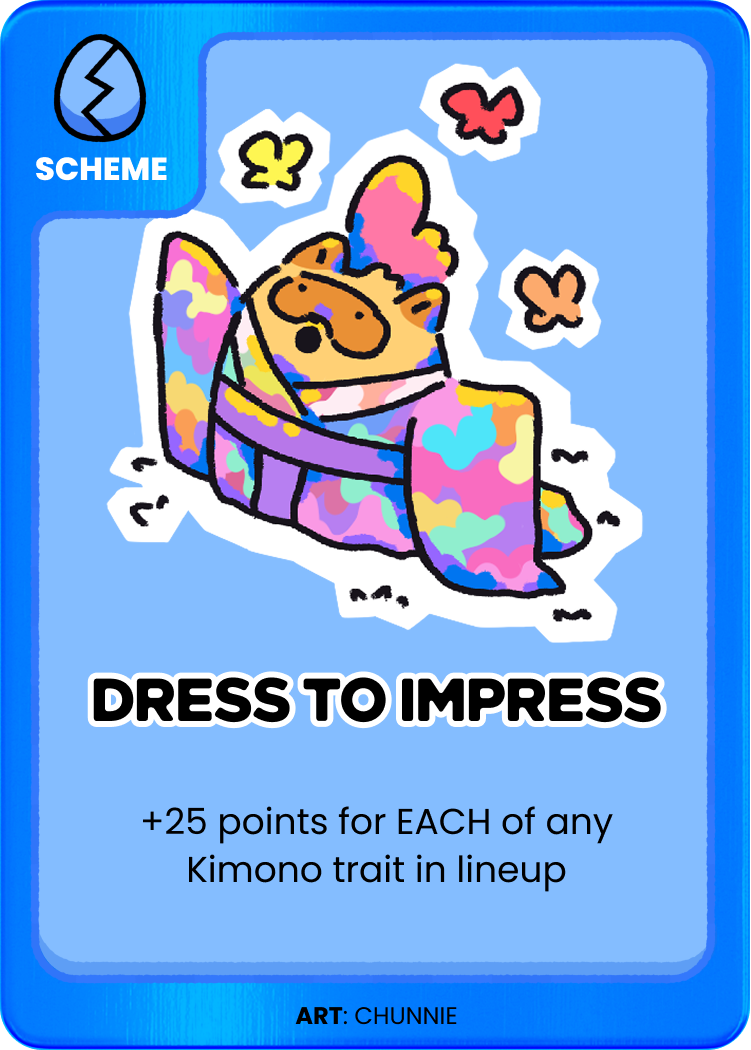
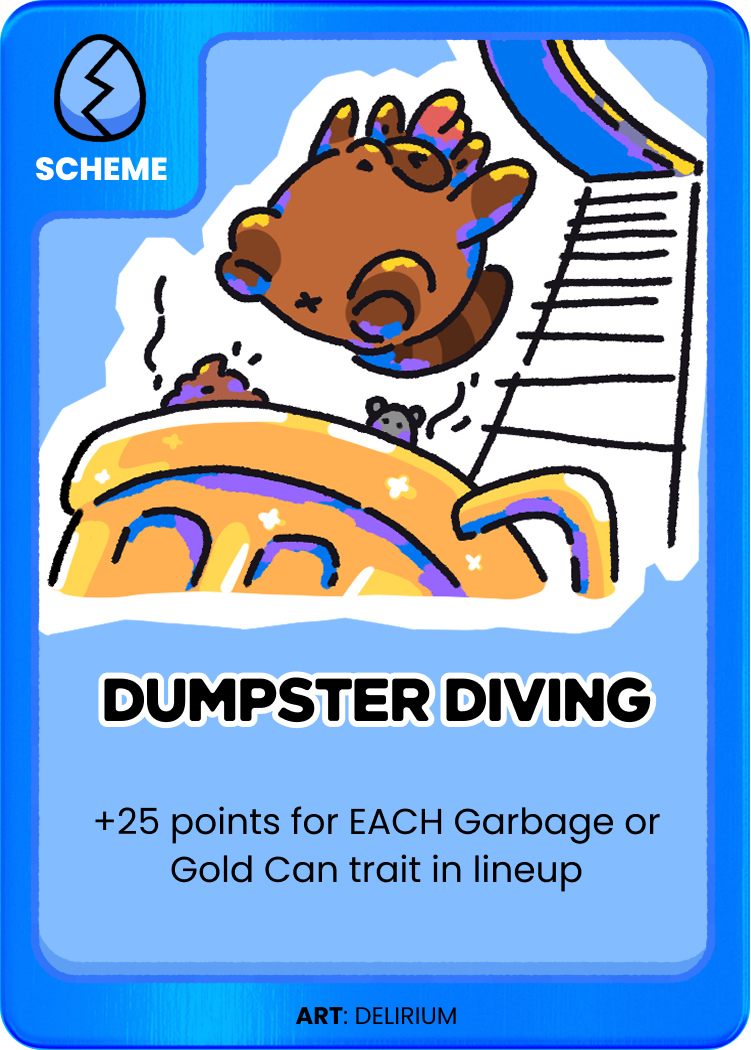
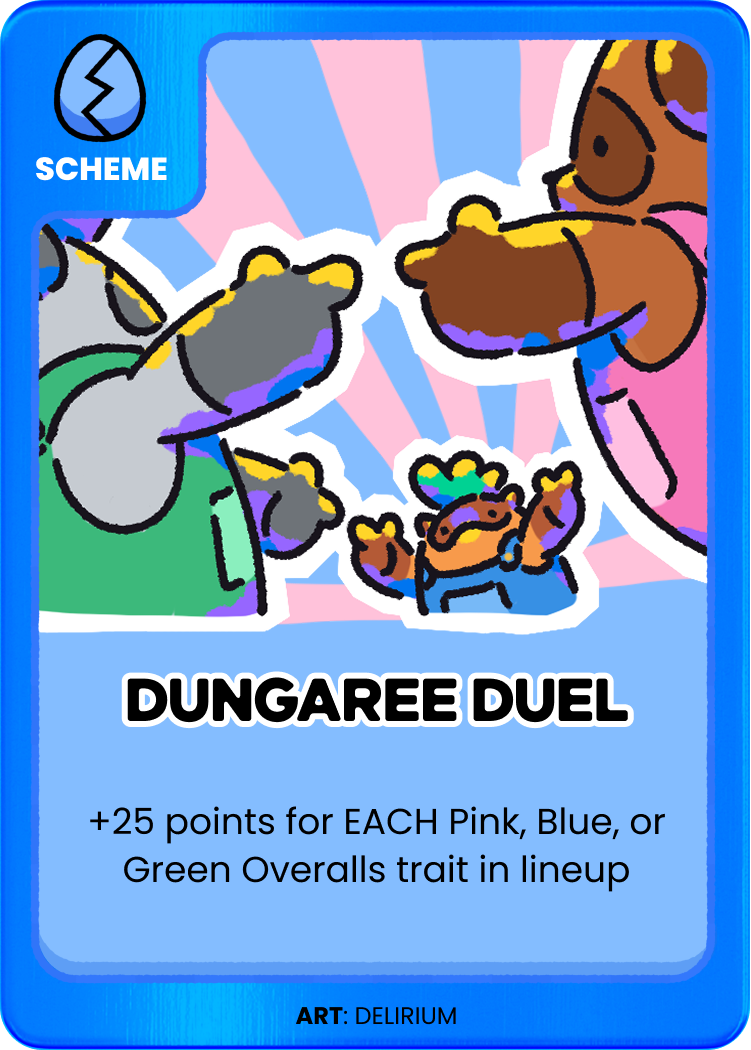
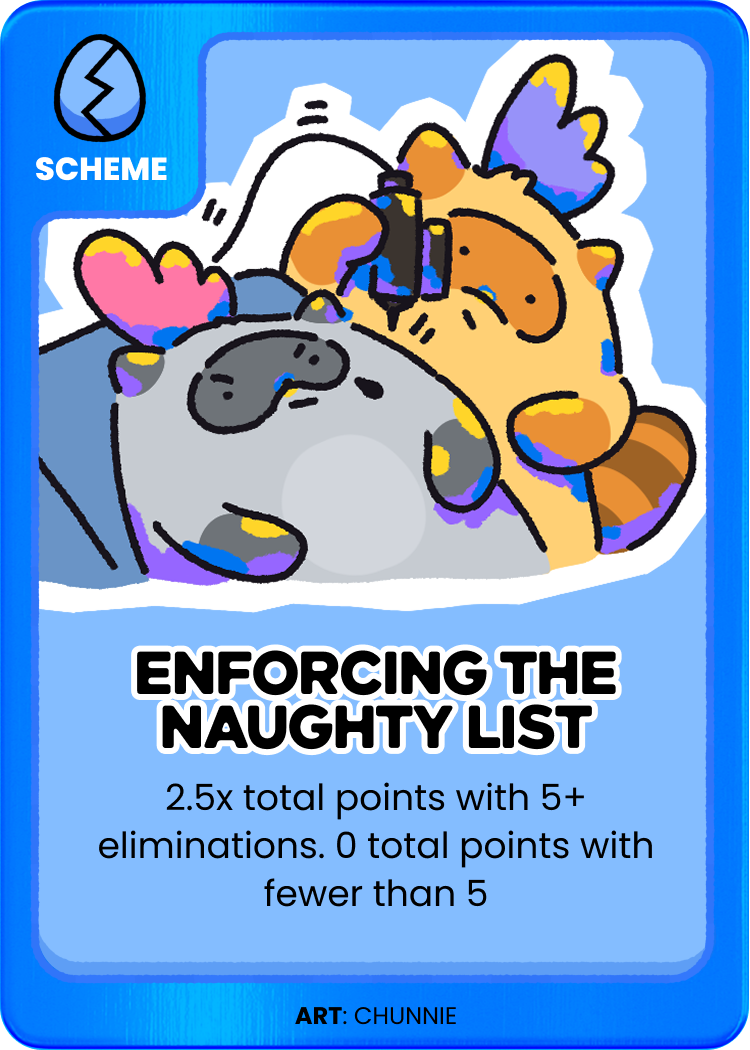
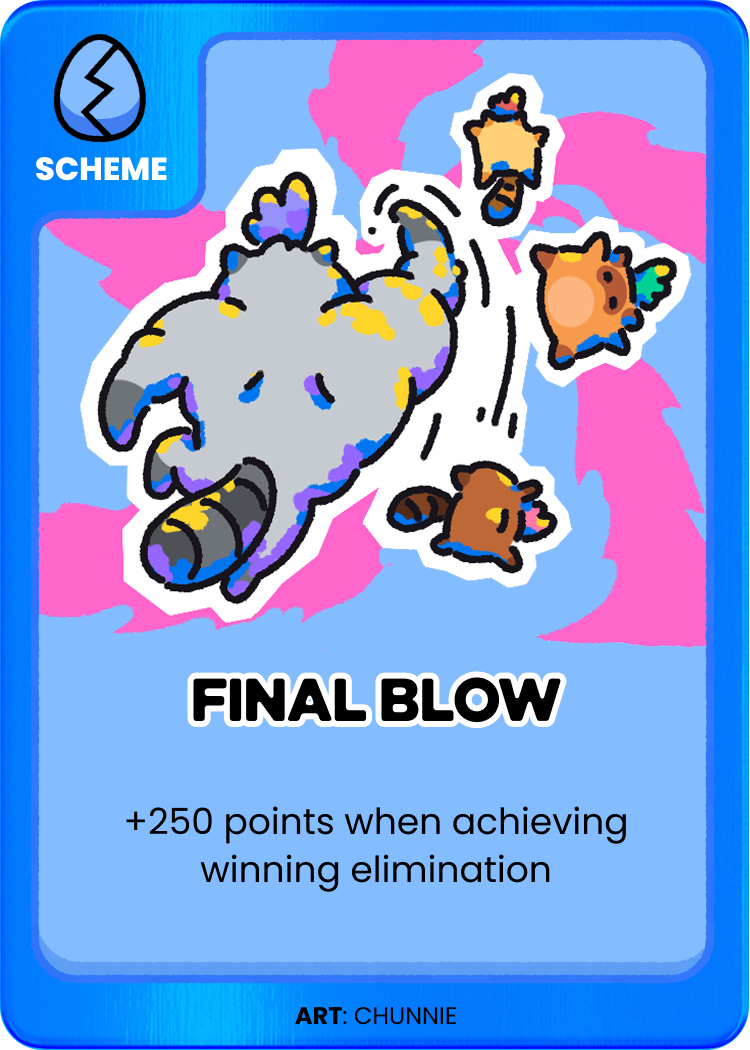
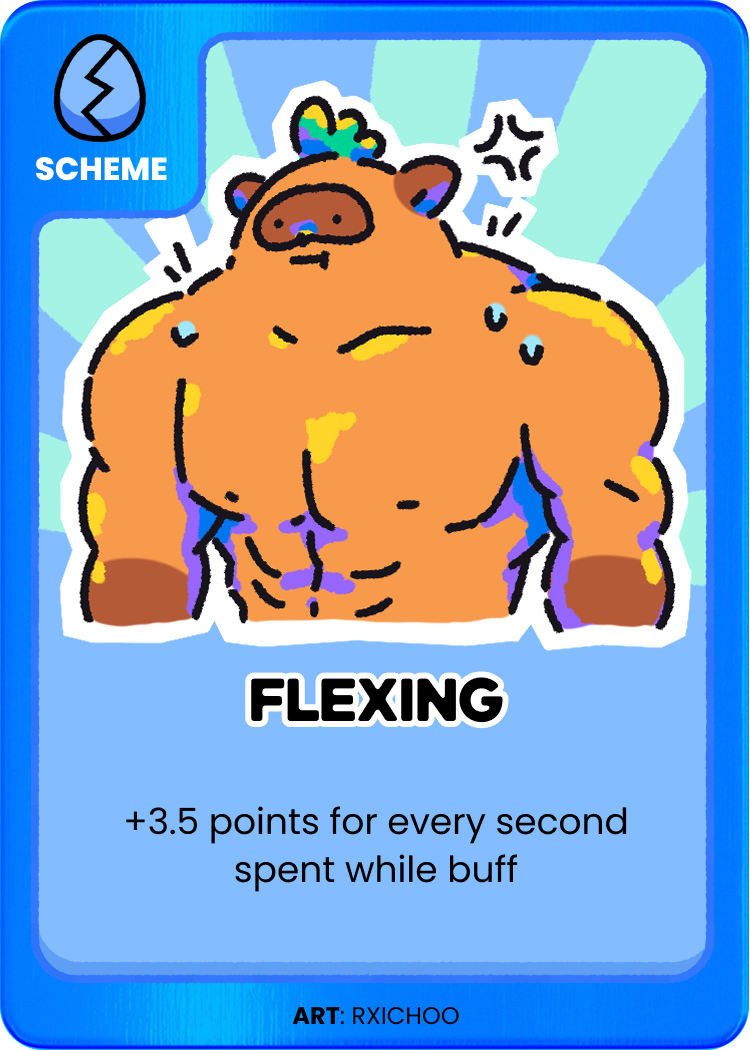
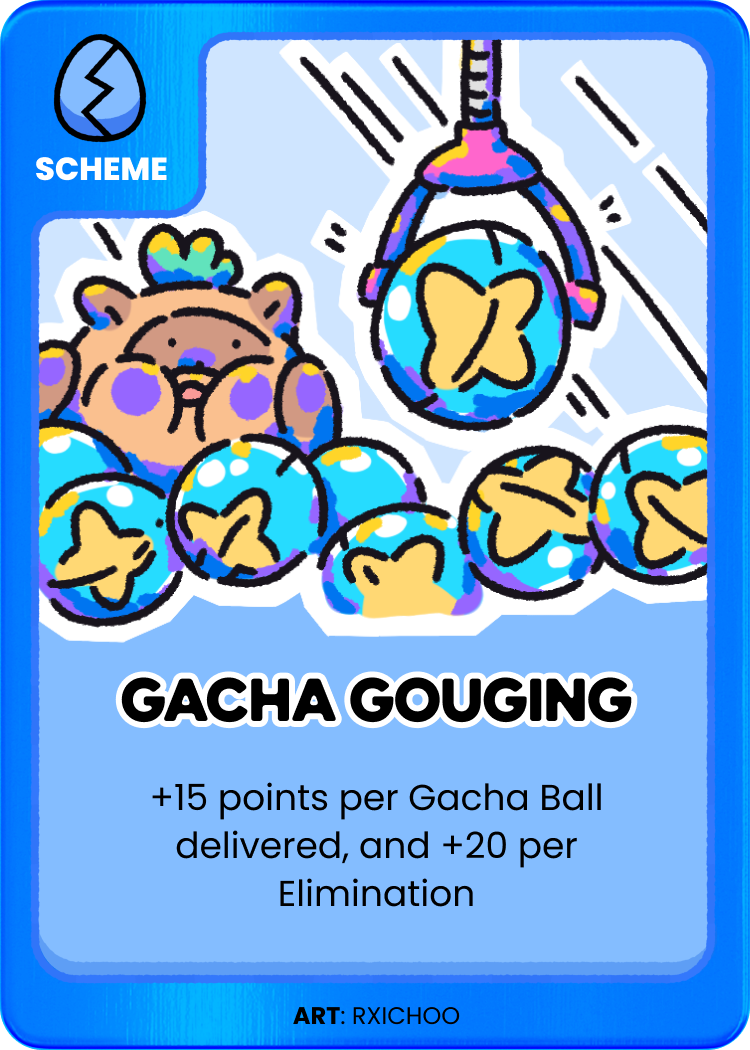
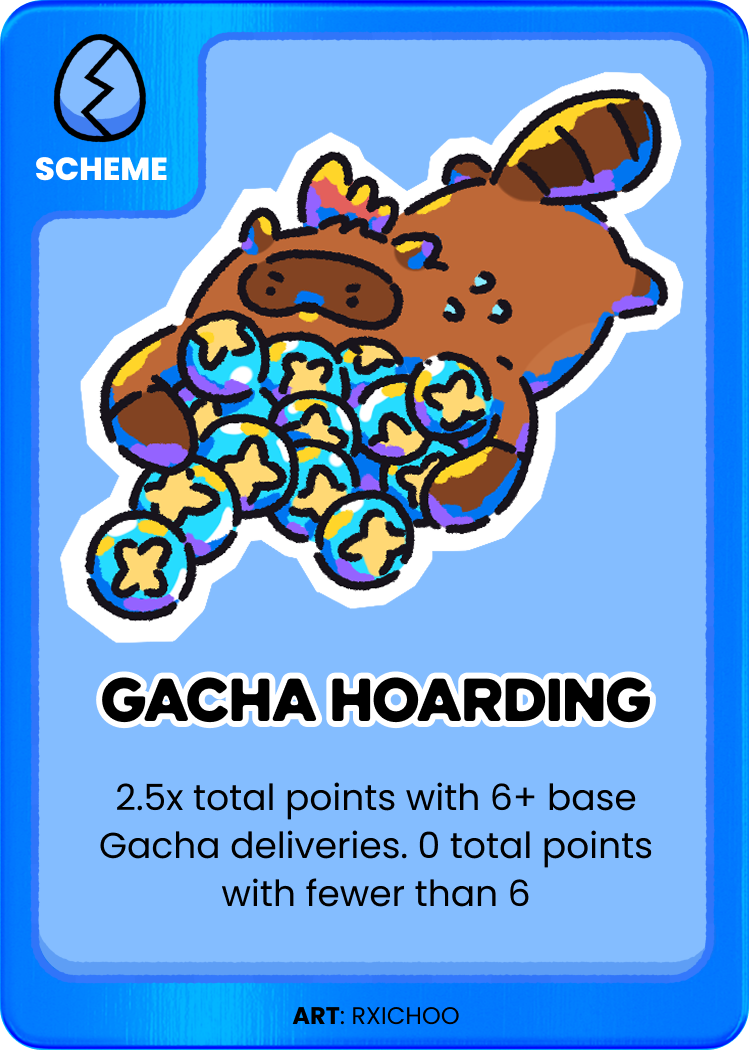
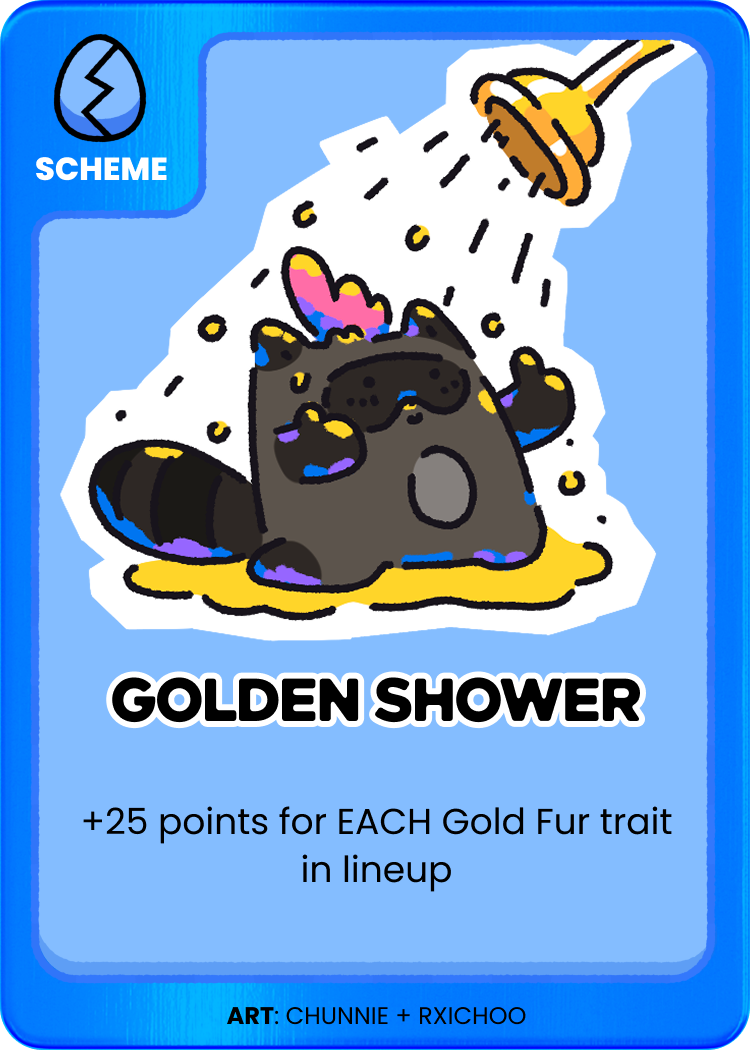
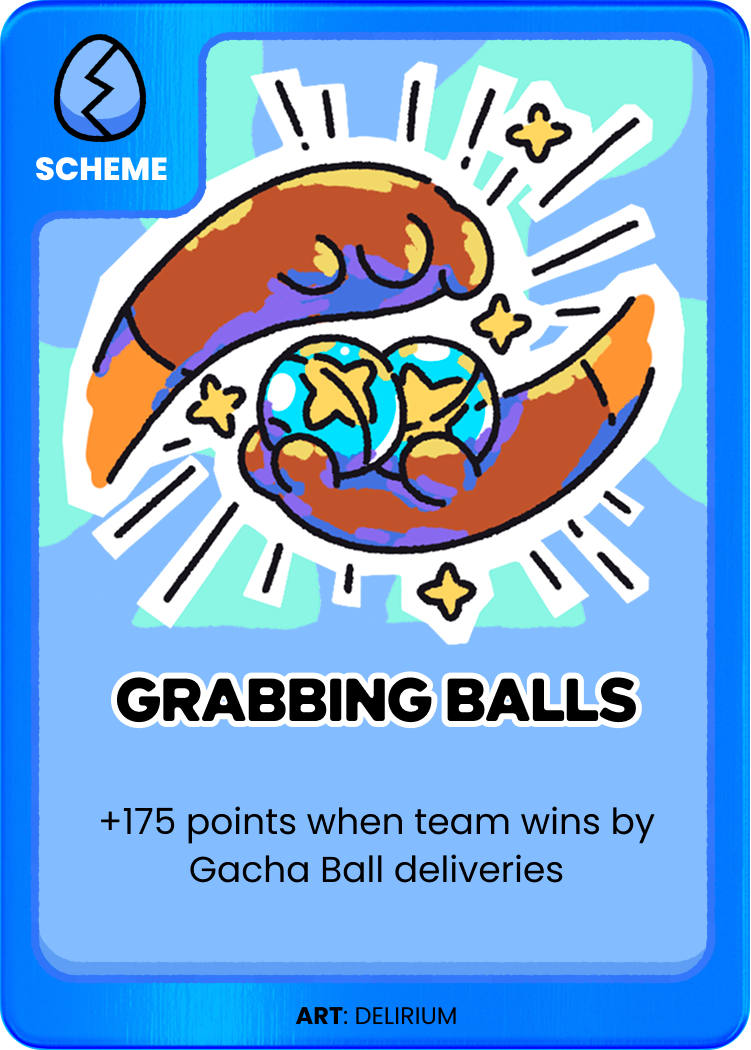
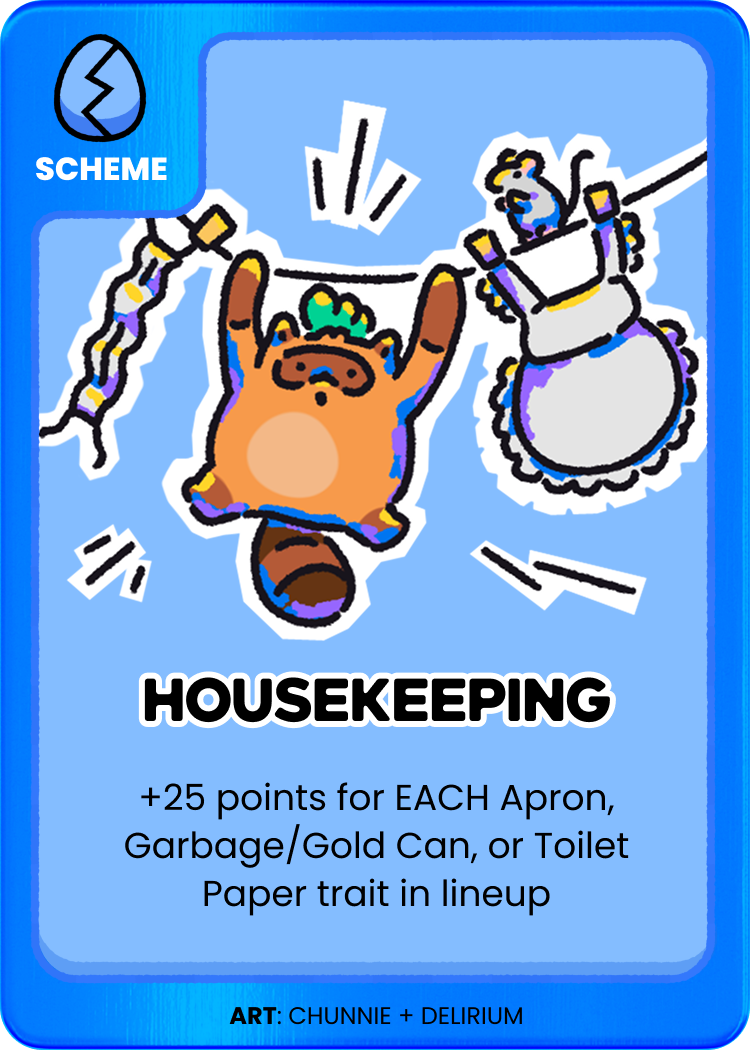
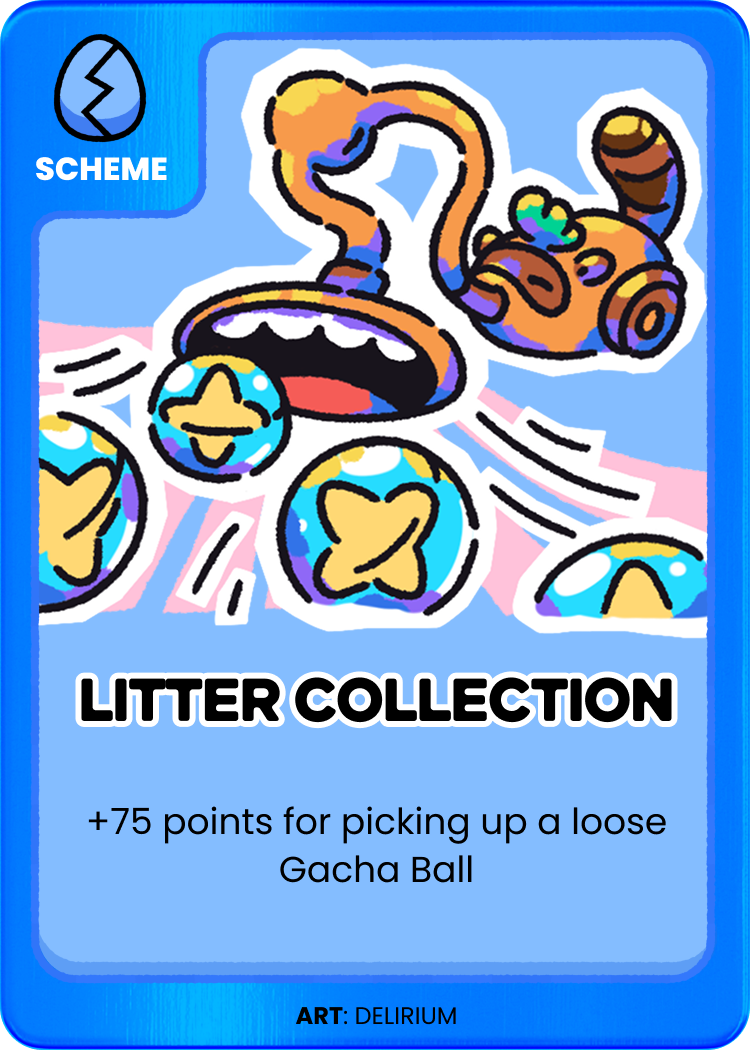
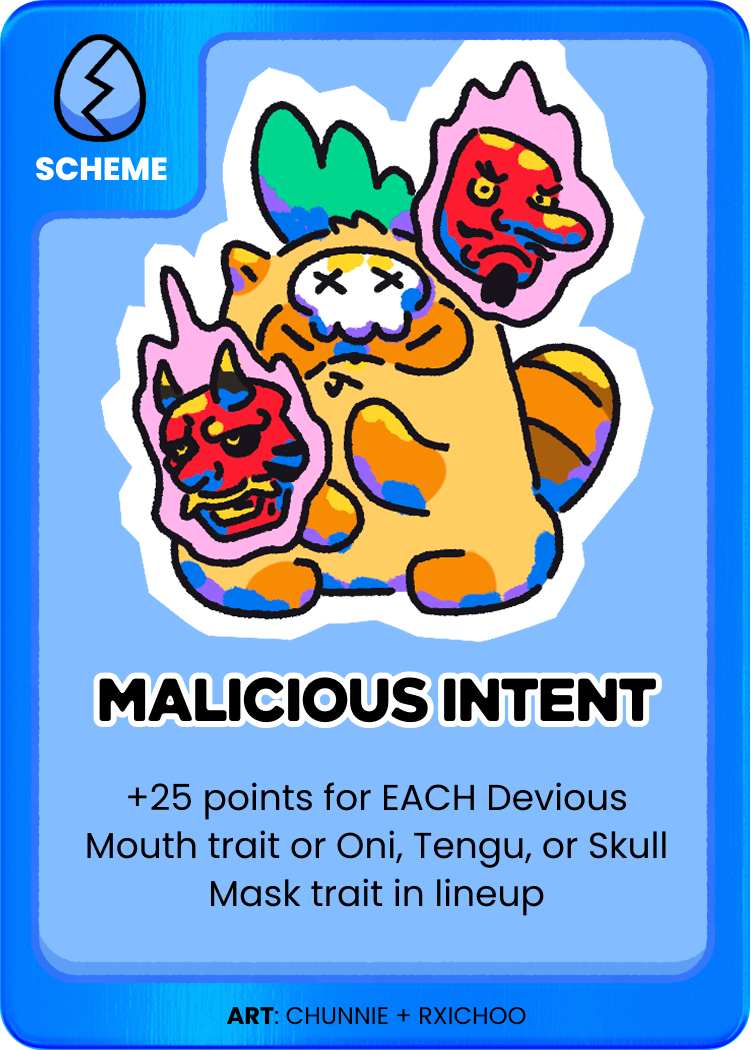
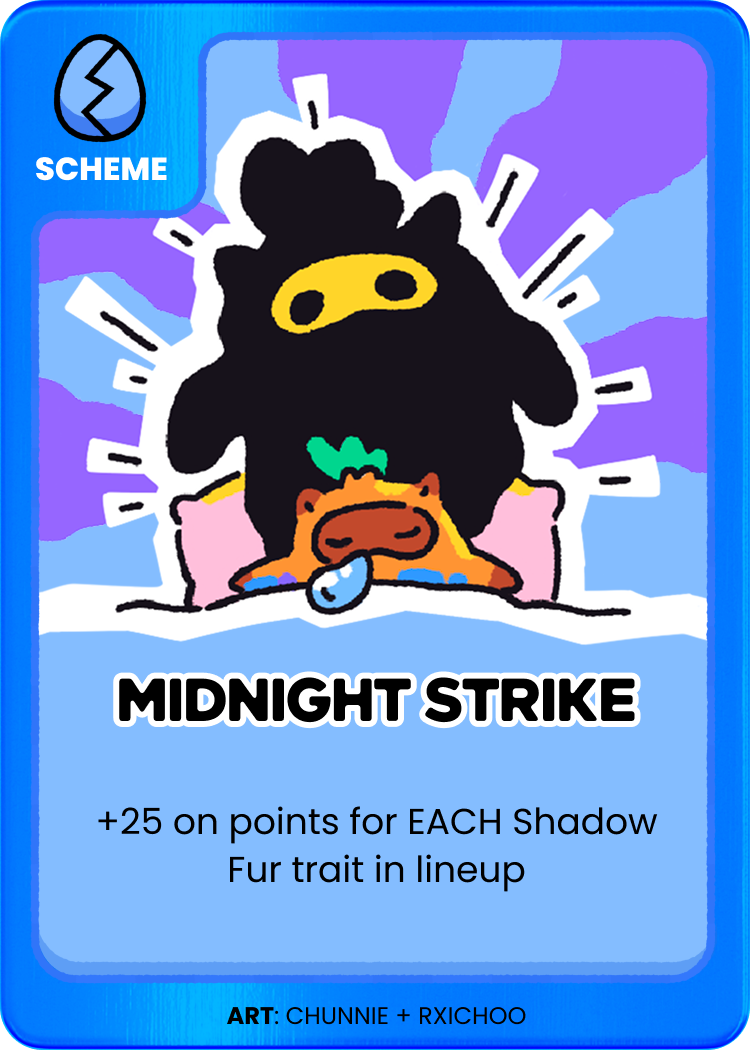
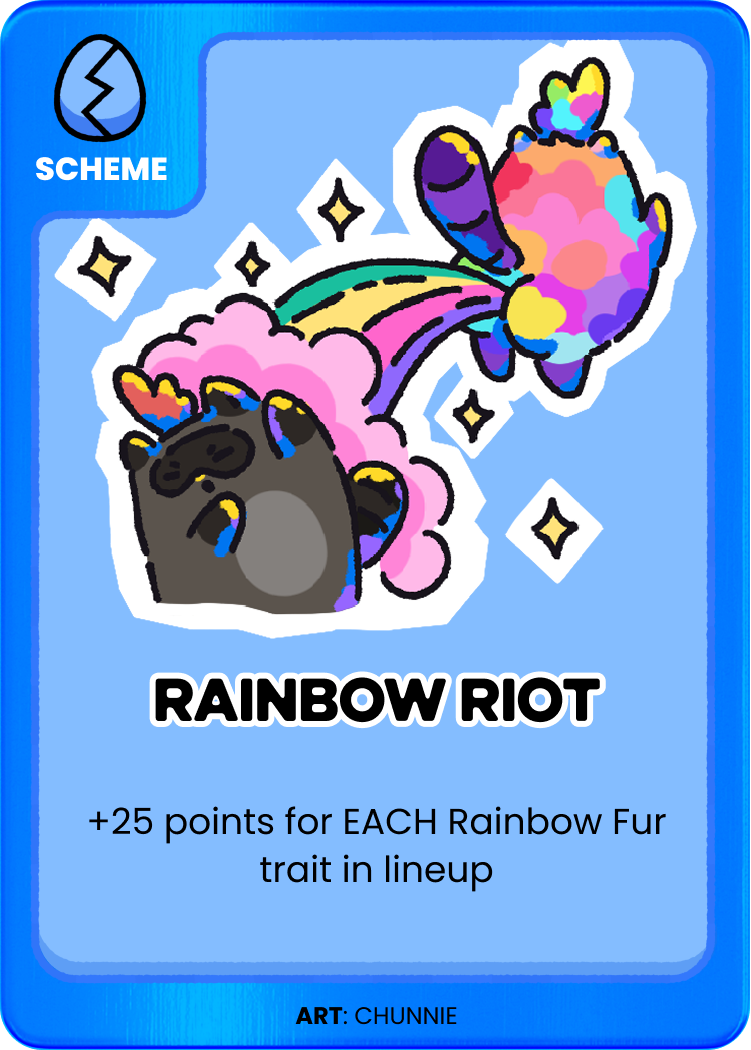
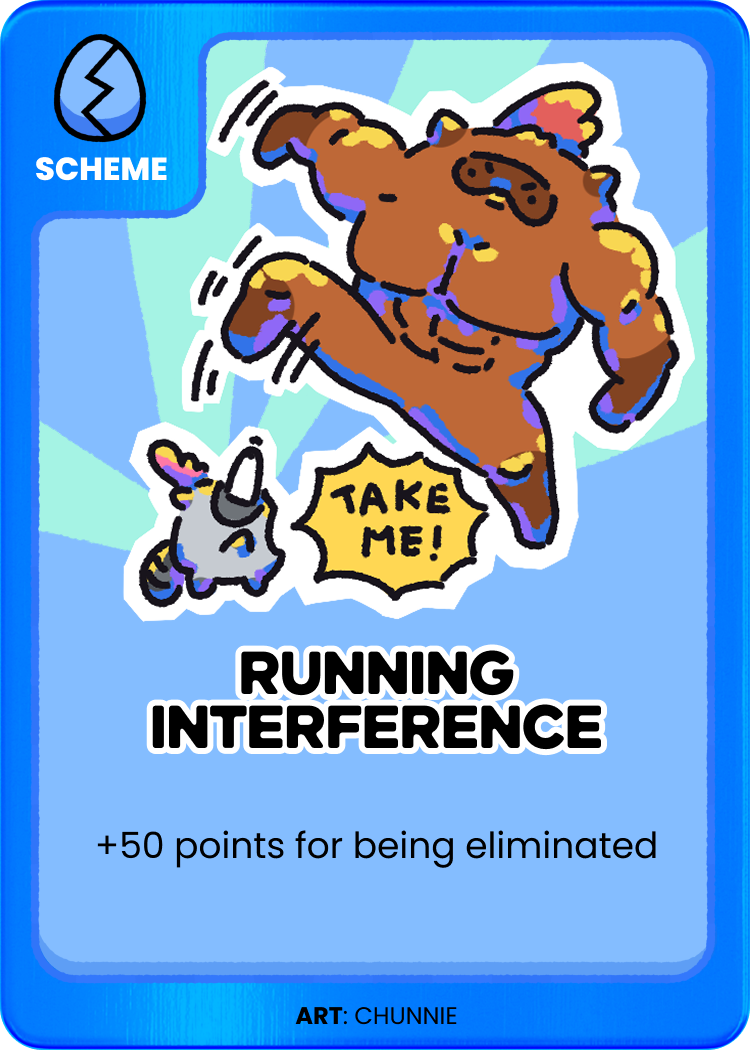
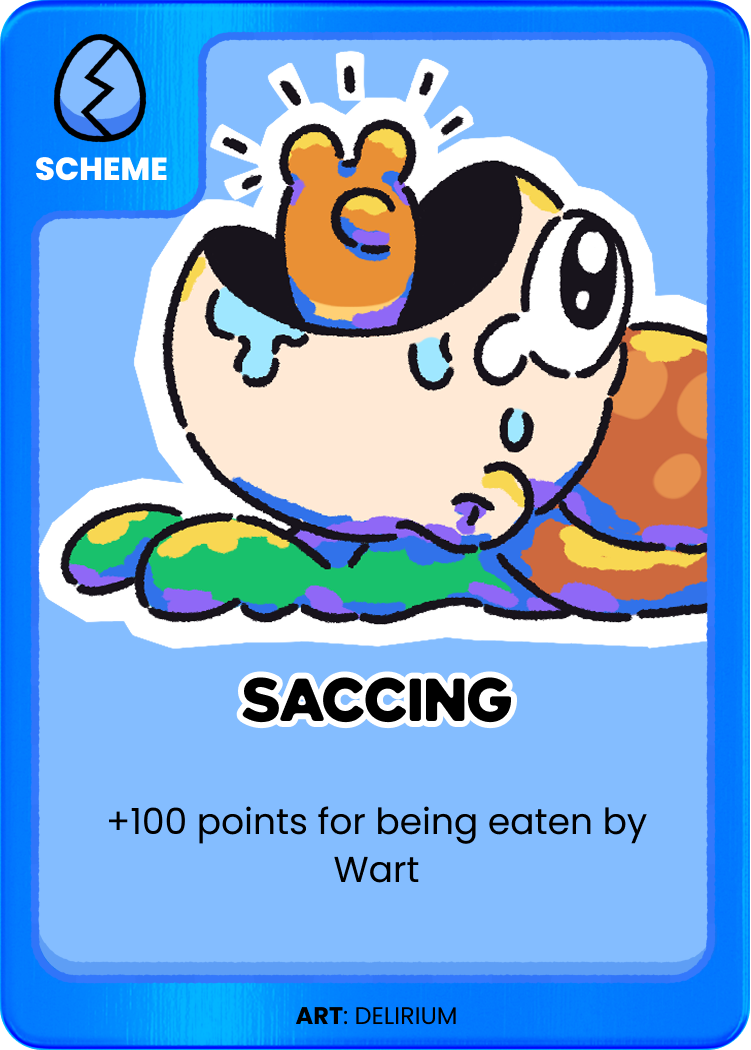
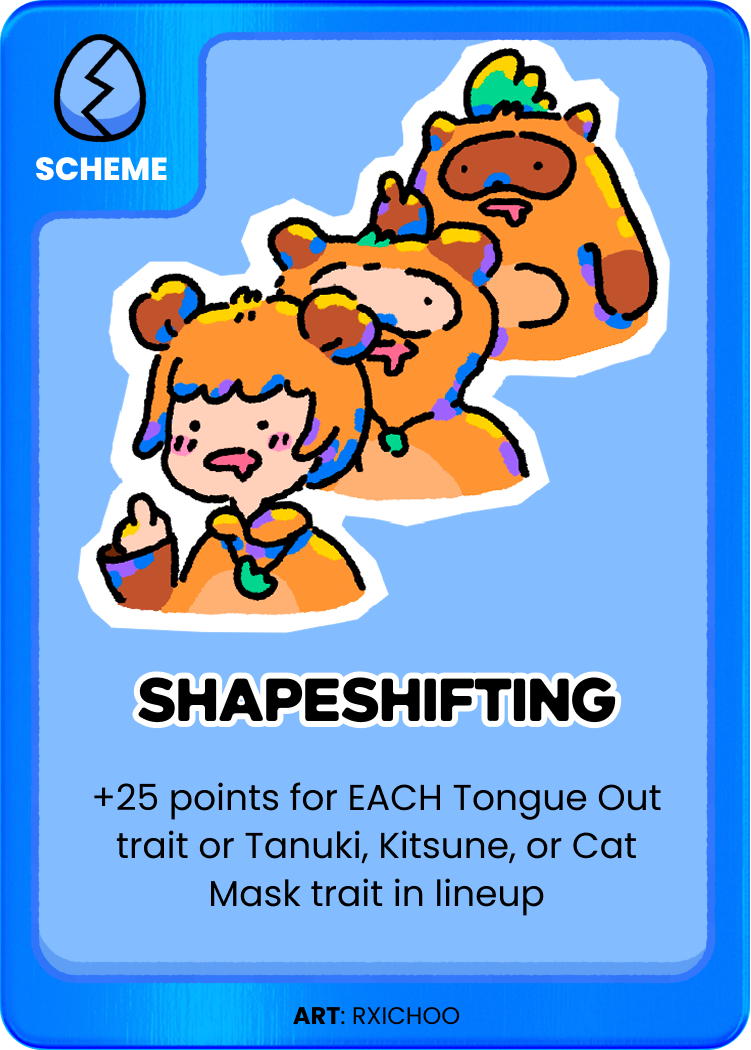
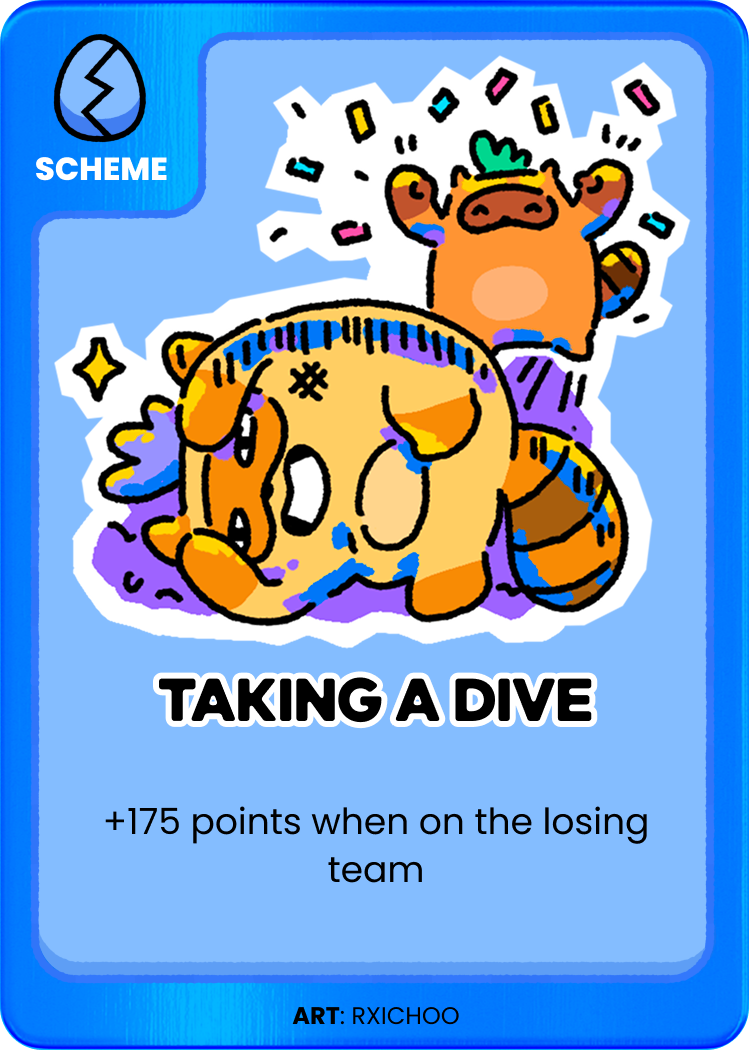
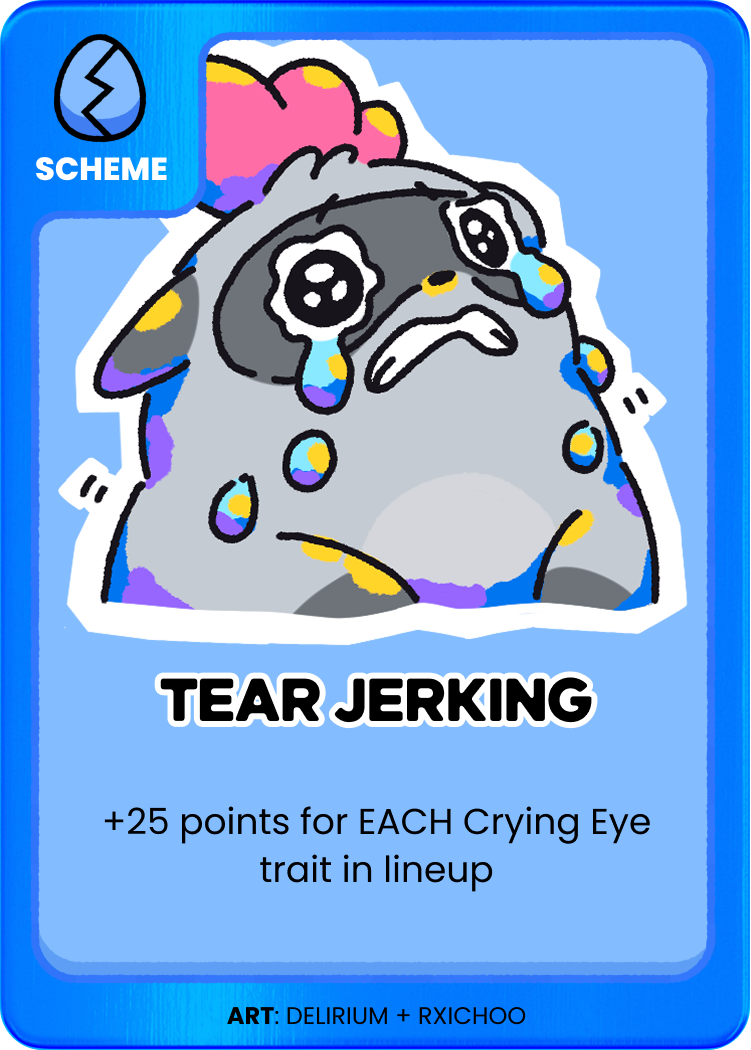
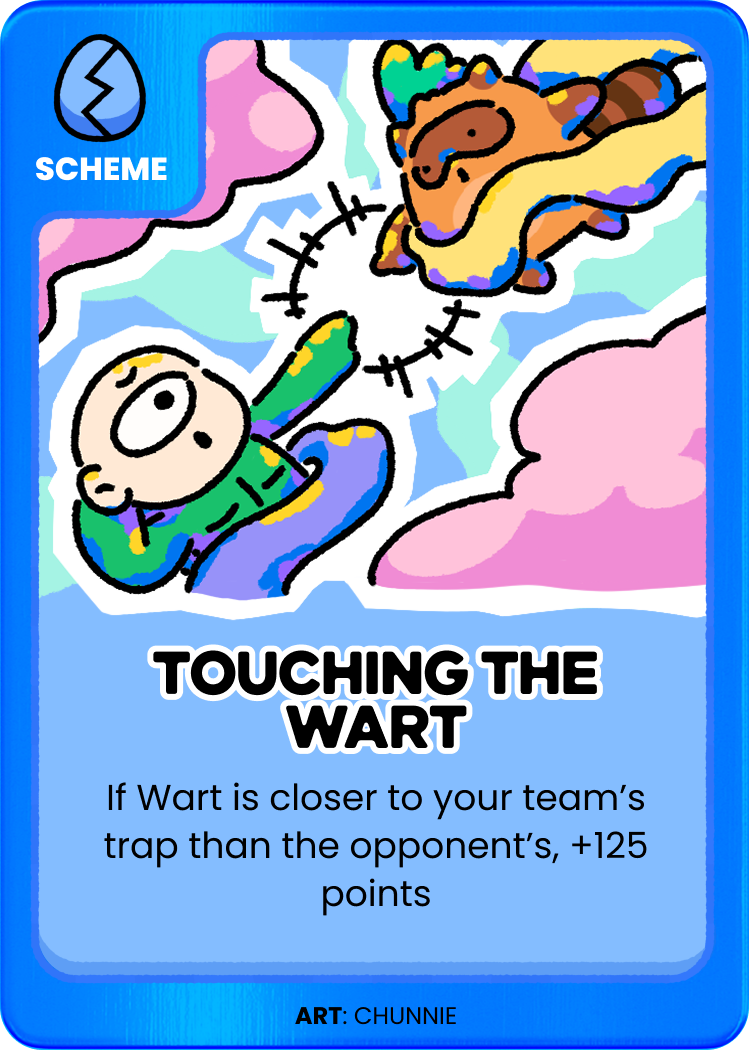
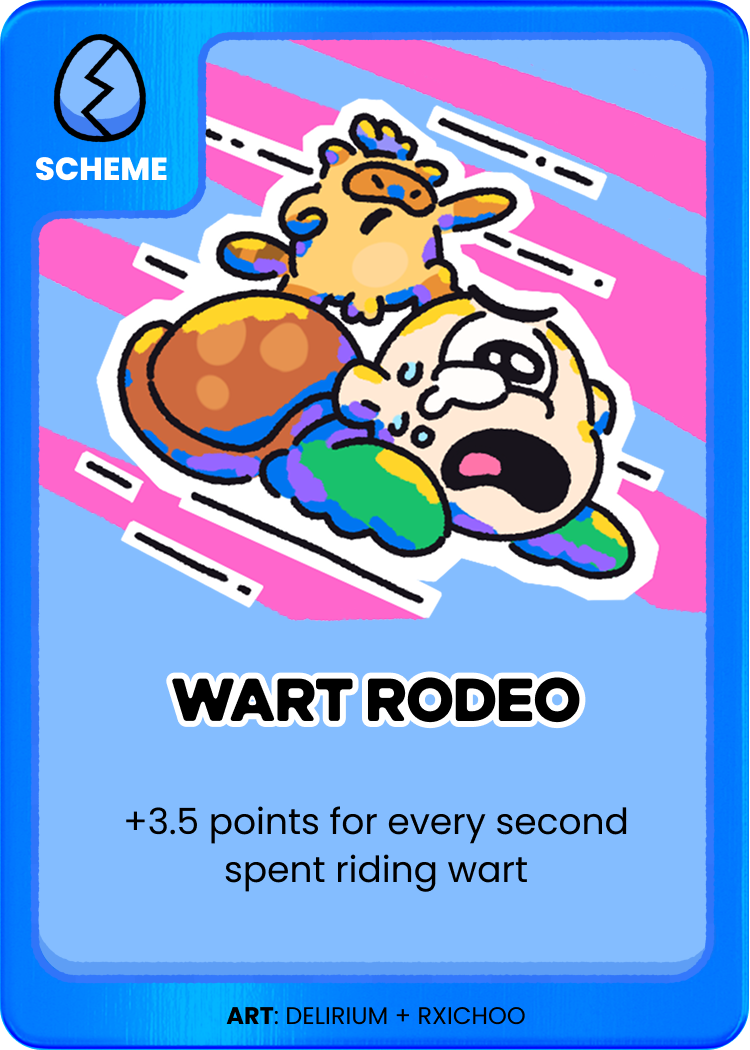
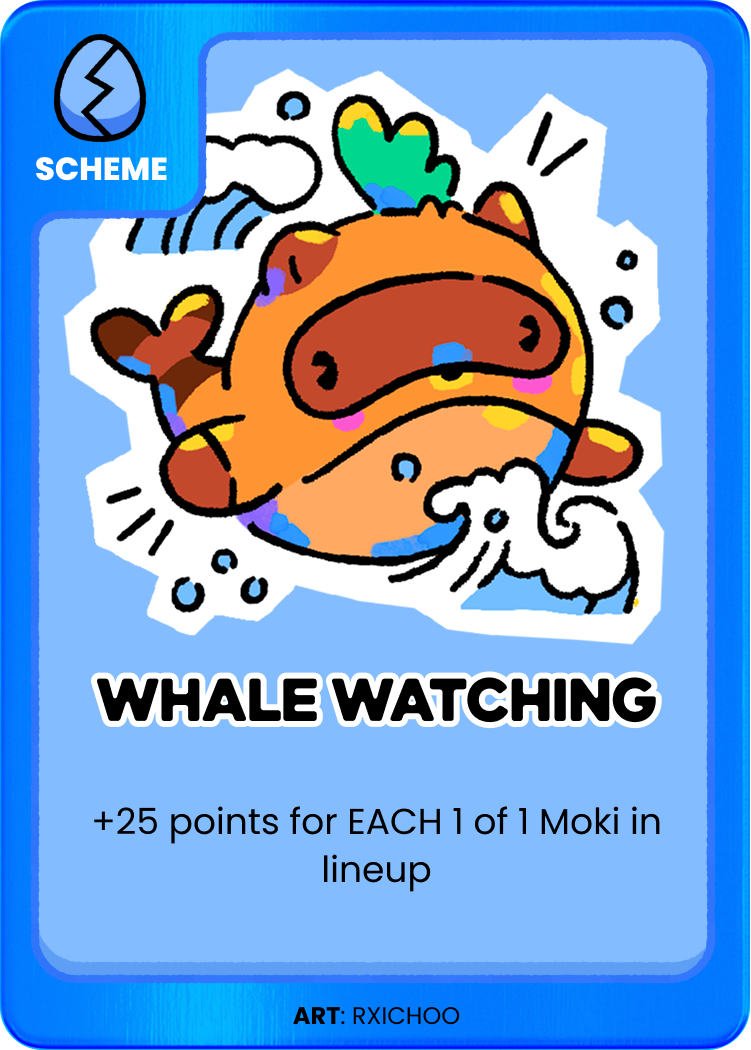
SCHEME CARDS
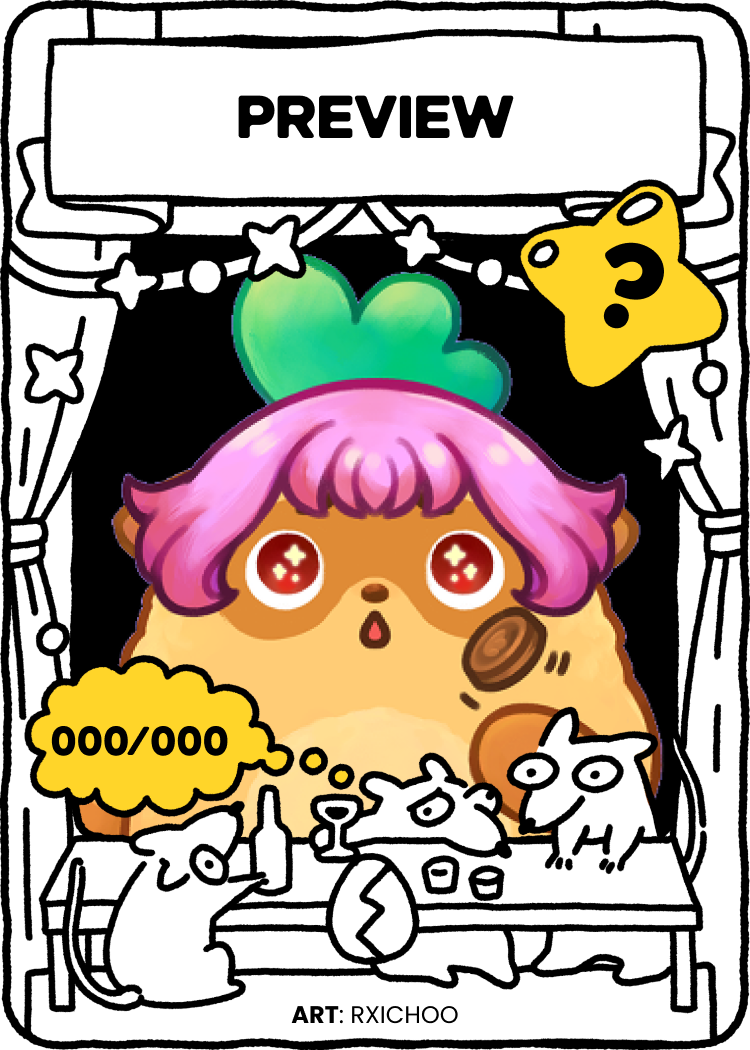
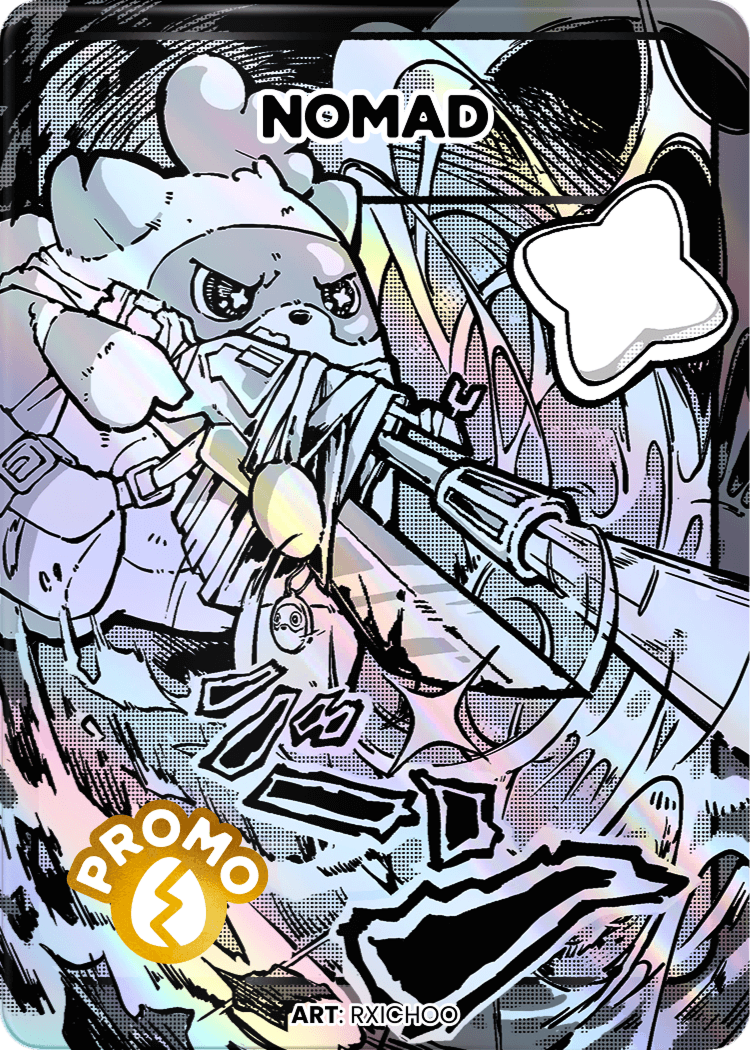
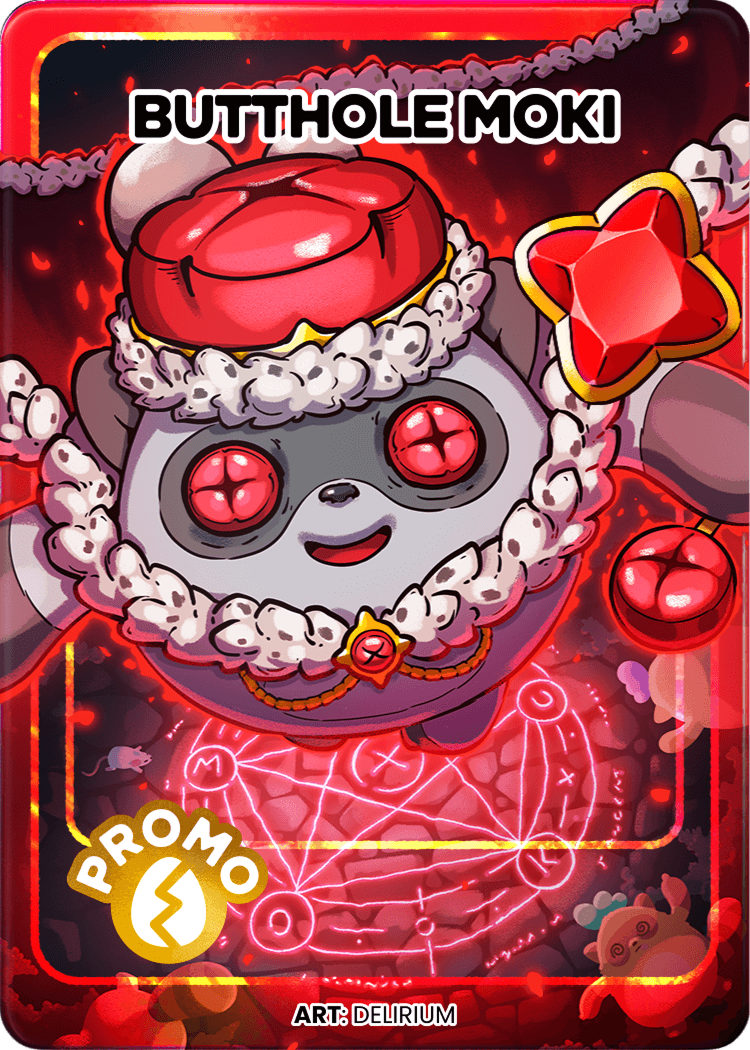
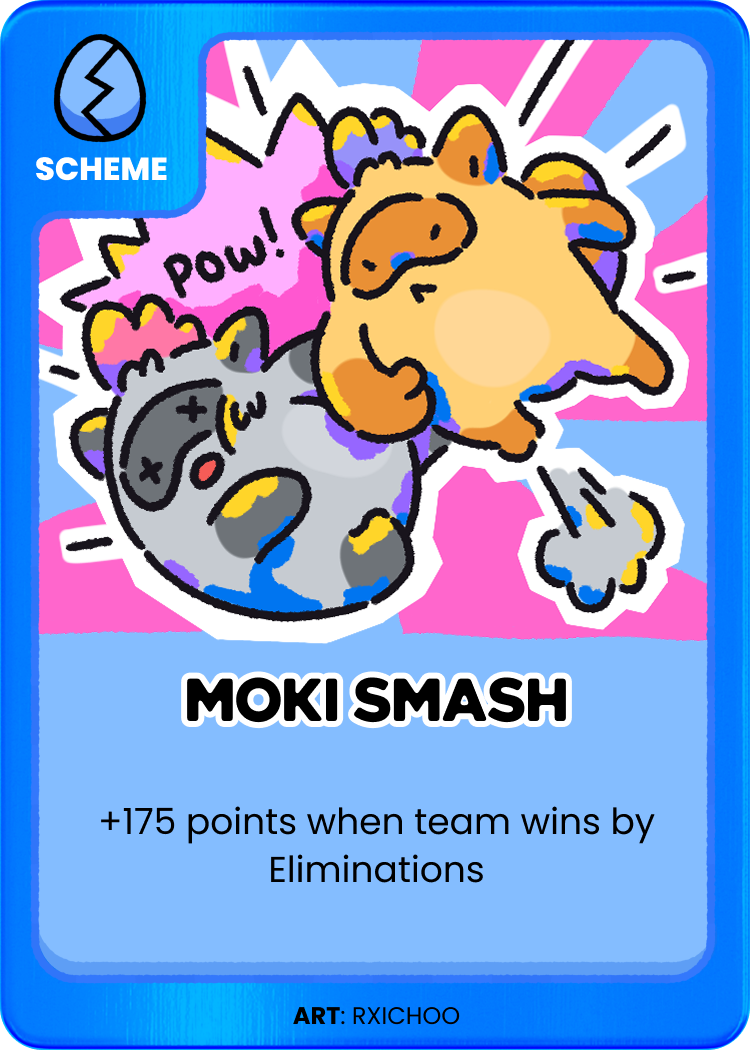
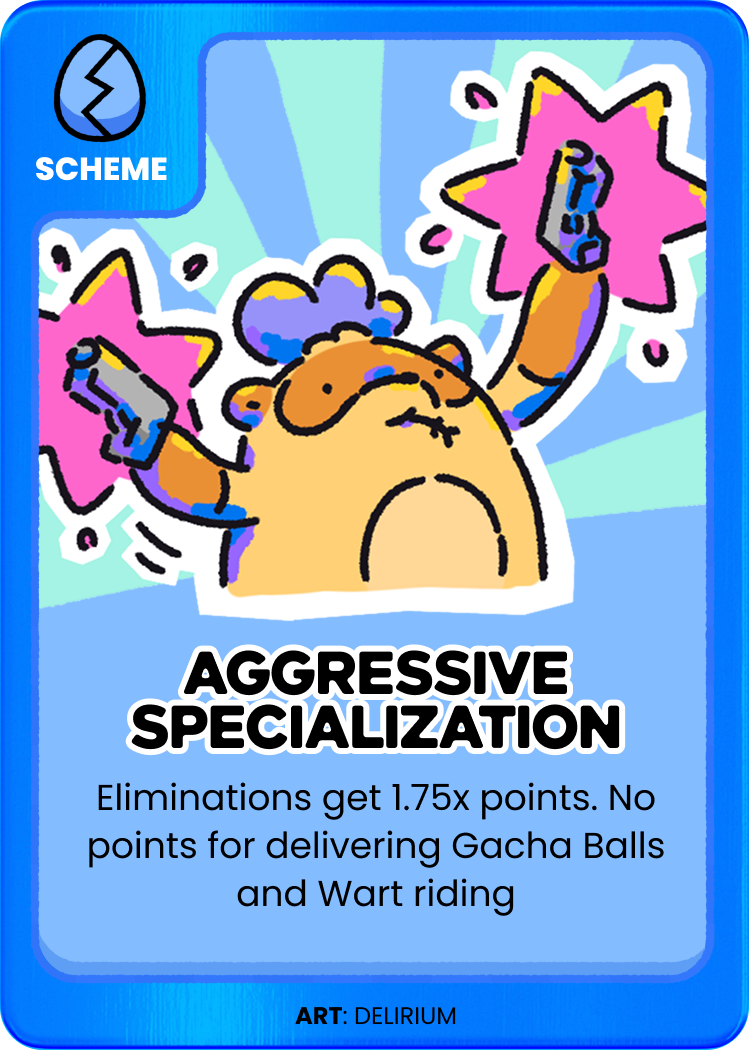
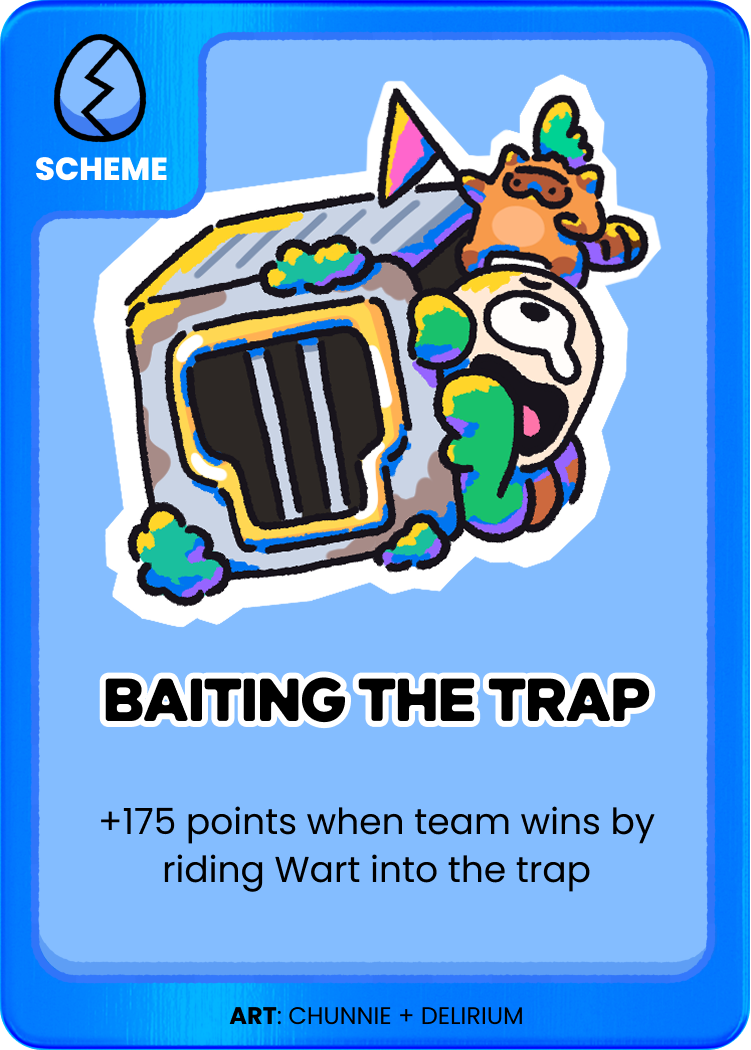
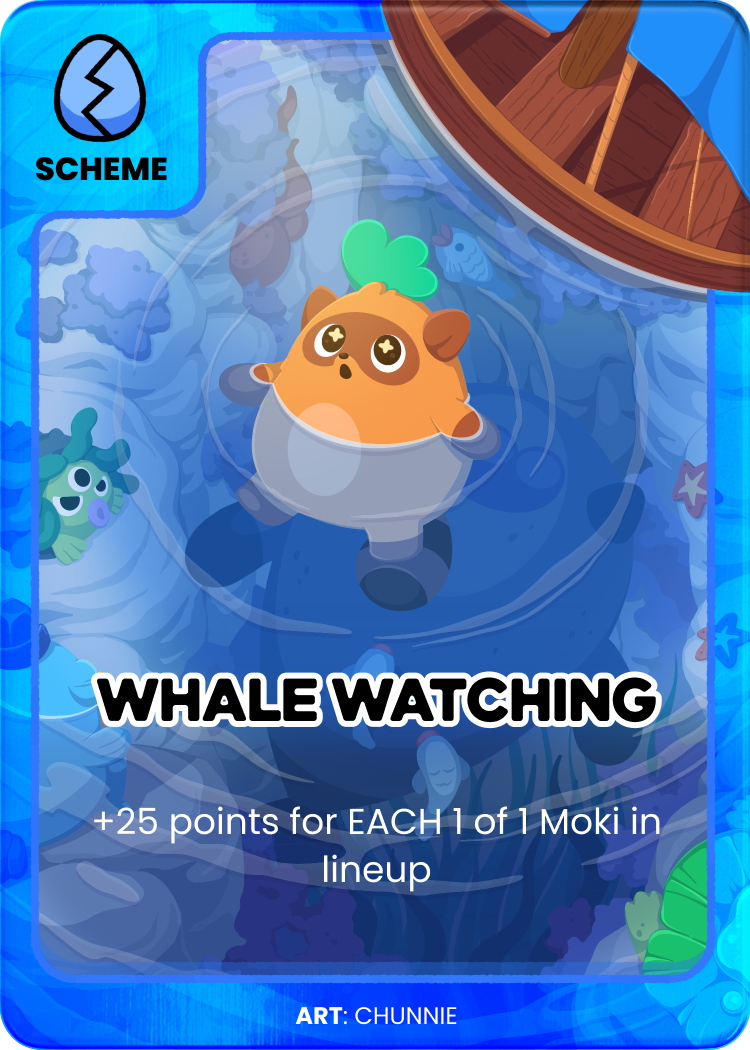
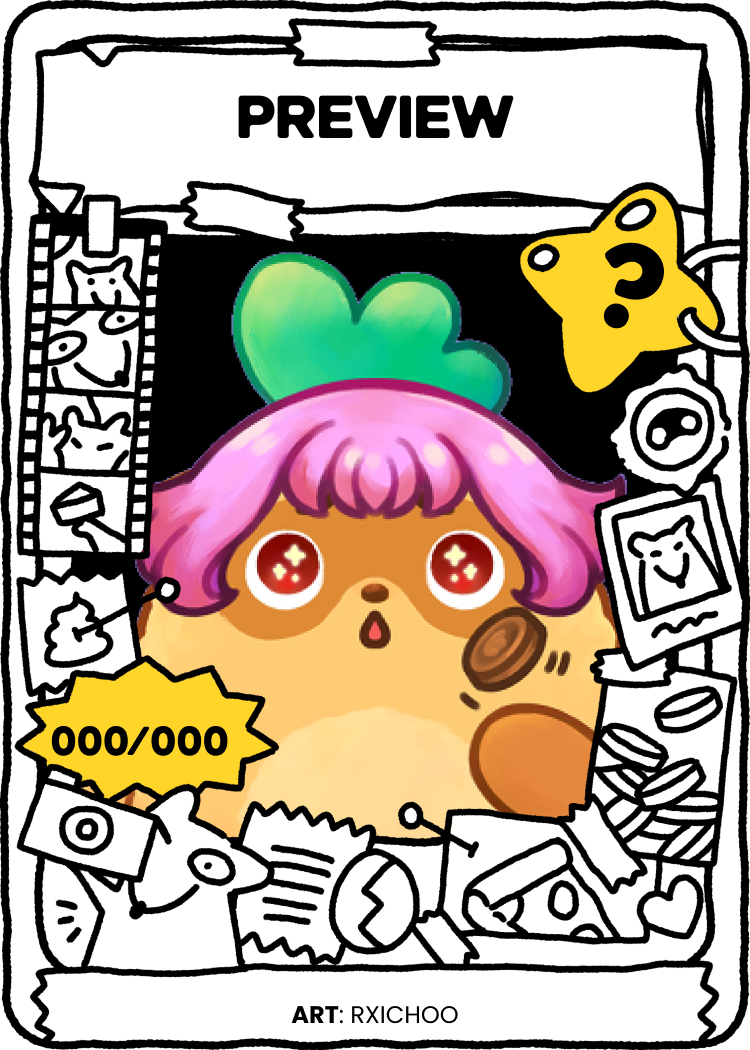
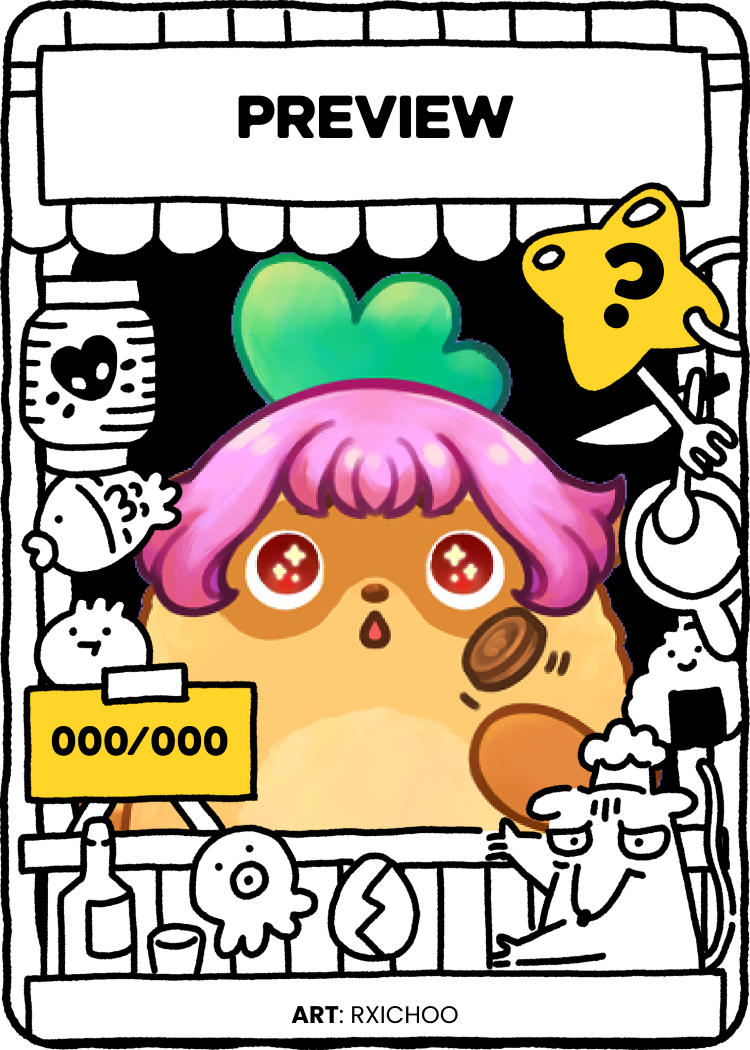
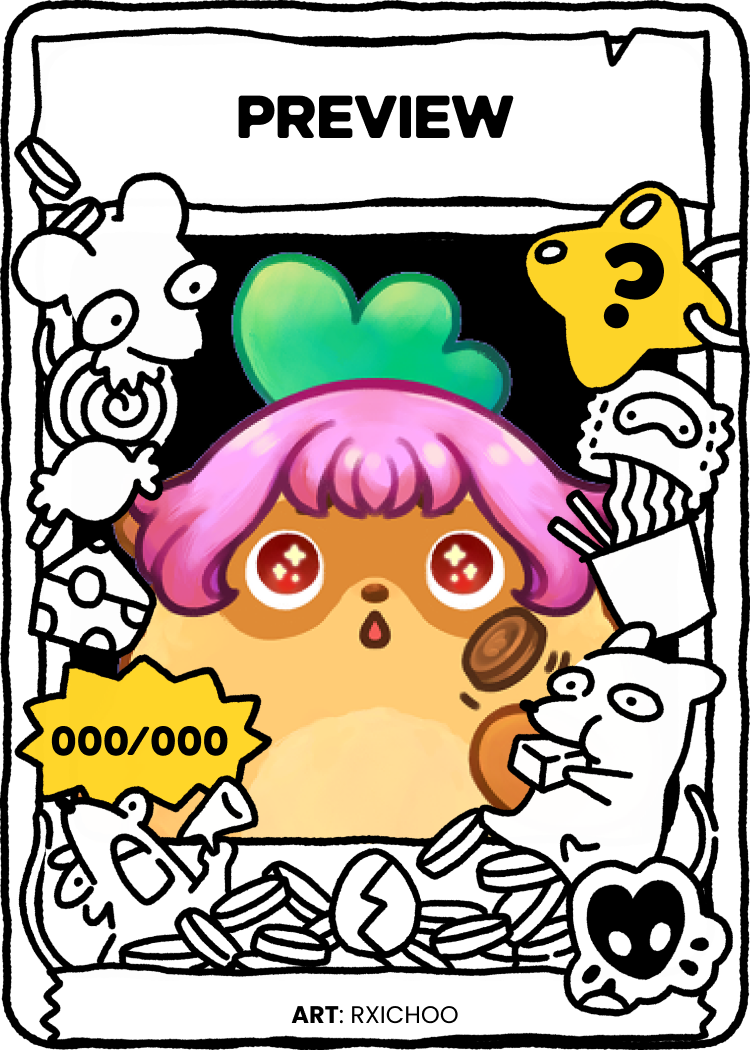
Breaking the Rules: Scheme Cards are modifier cards that affect one’s lineup when competing in the Grand Arena. They needed to be clearly different from our Moki Cards.
We took a lot of inspiration from "Doodle Bob" from SpongeBob and Pokémon’s "Masaki Promo Cards.” This was our opportunity to differentiate these from the regular deck. They were designed to be playful, distinct, and a moment of pure creative delight for the player.
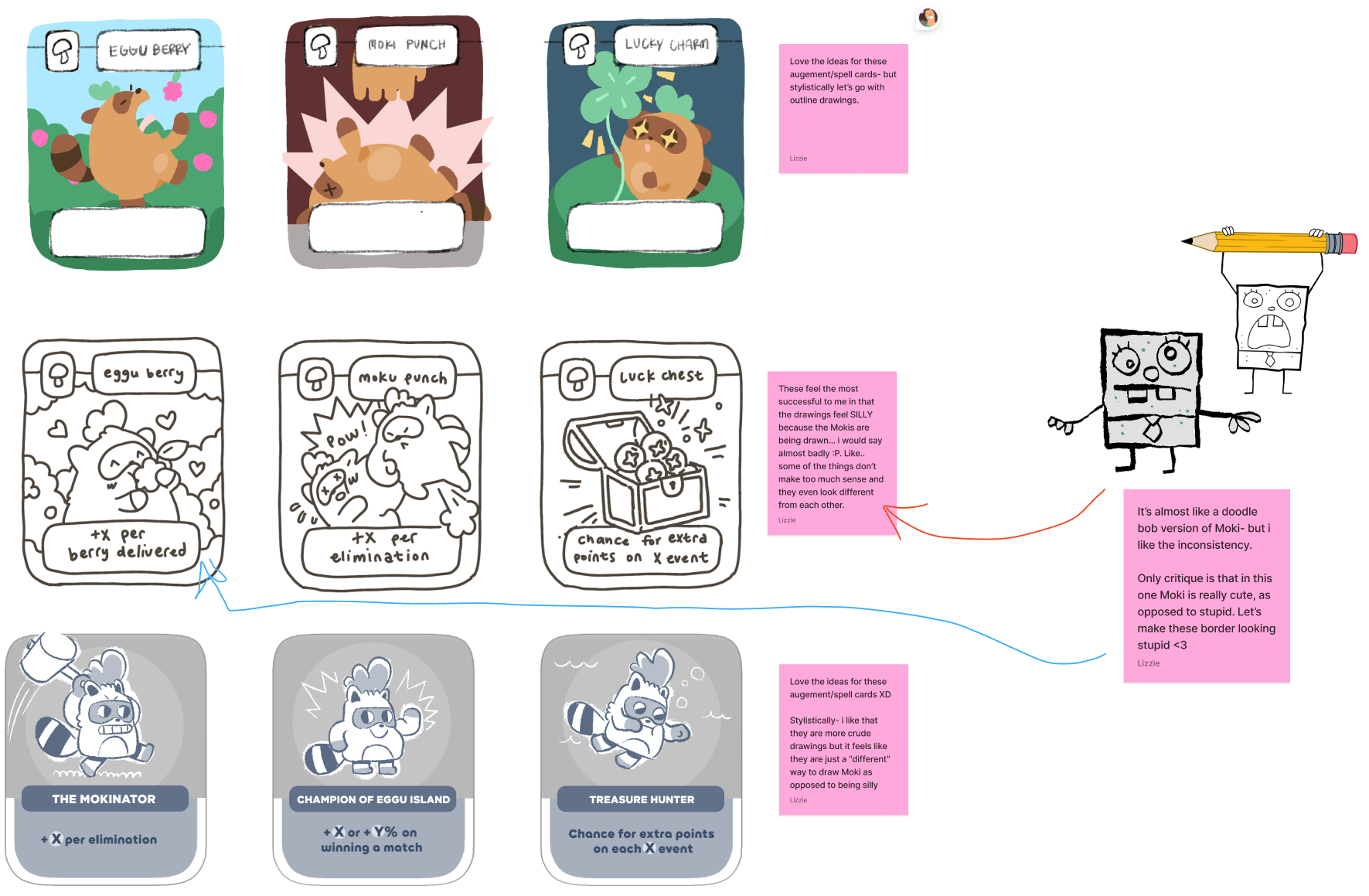
Sketches by Rachel Yoon and Rafa Gallardo.

GRAND ARENA
+
GRAND ARENA
+
GRAND ARENA
+
GRAND ARENA
+
GRAND ARENA
+
GRAND ARENA + GRAND ARENA + GRAND ARENA + GRAND ARENA + GRAND ARENA +
CHAMPIONS AT SCALE
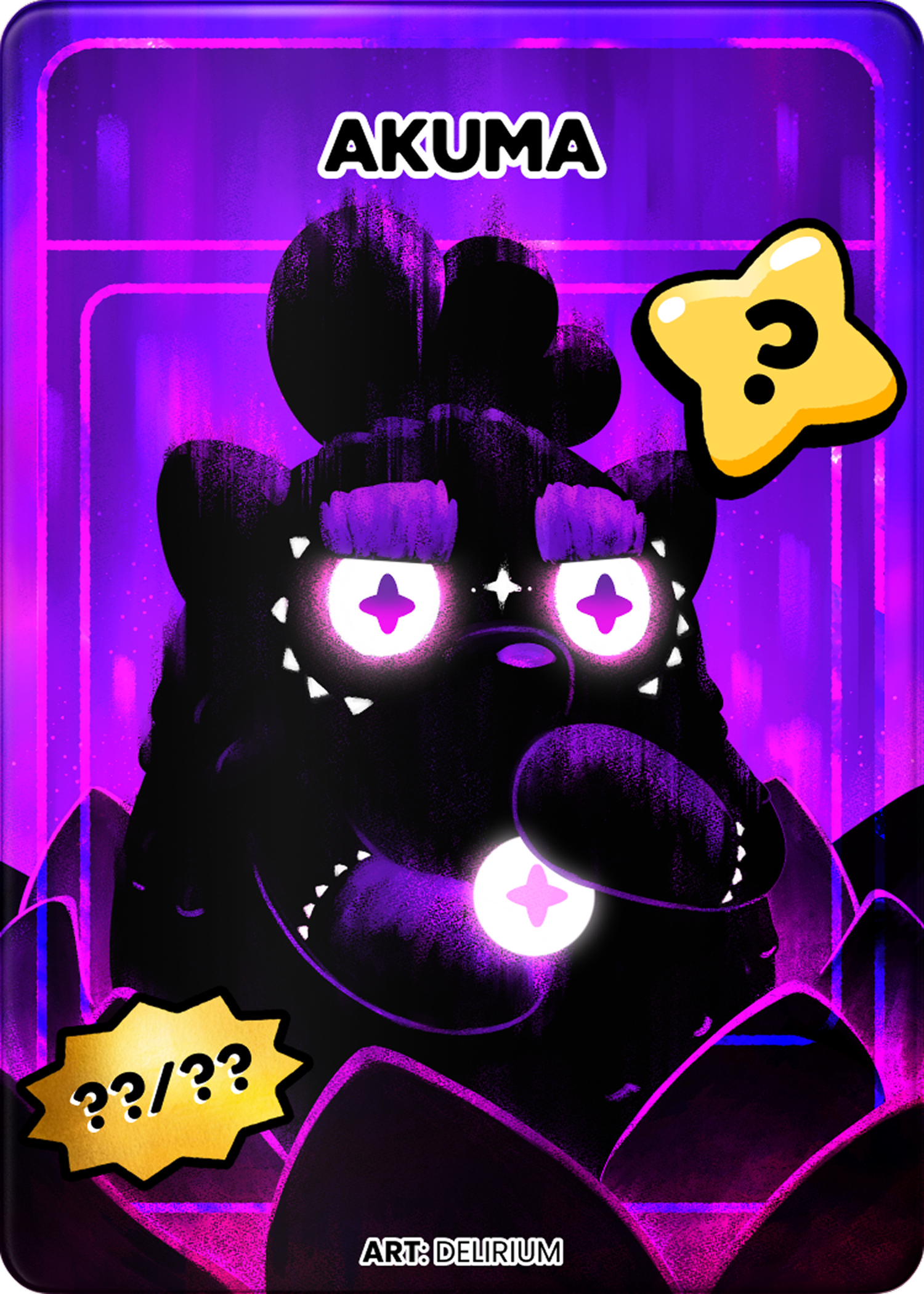
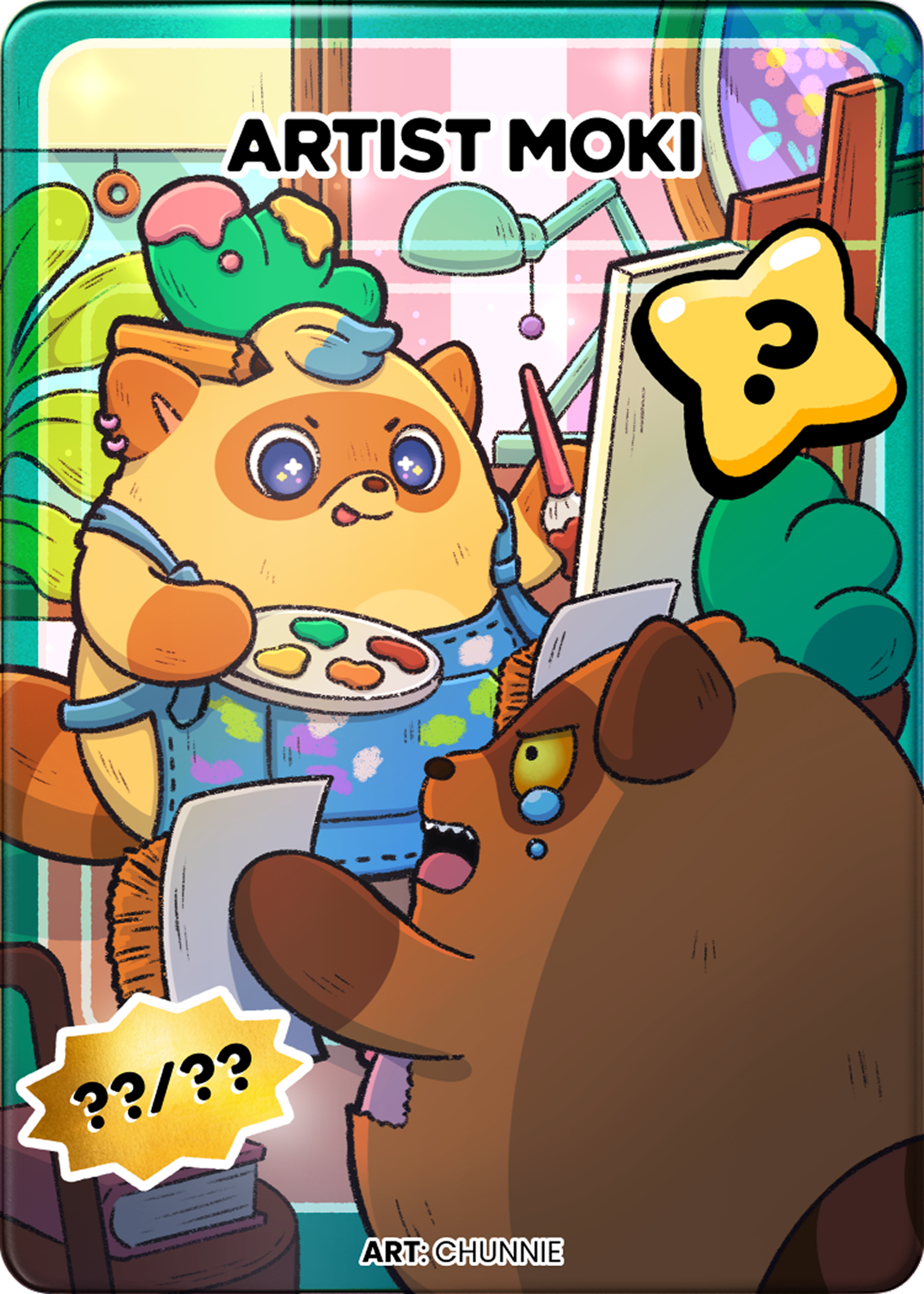
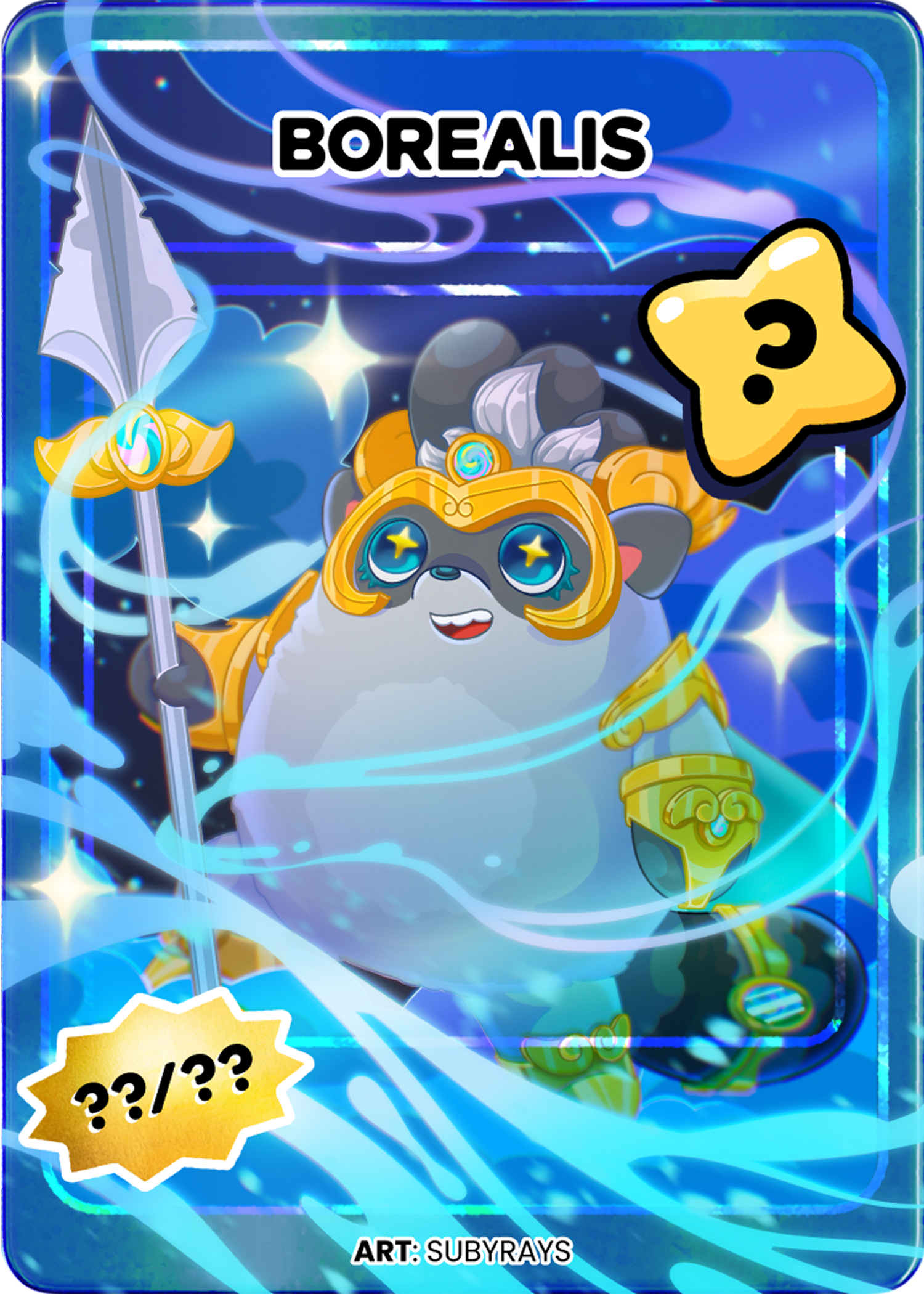
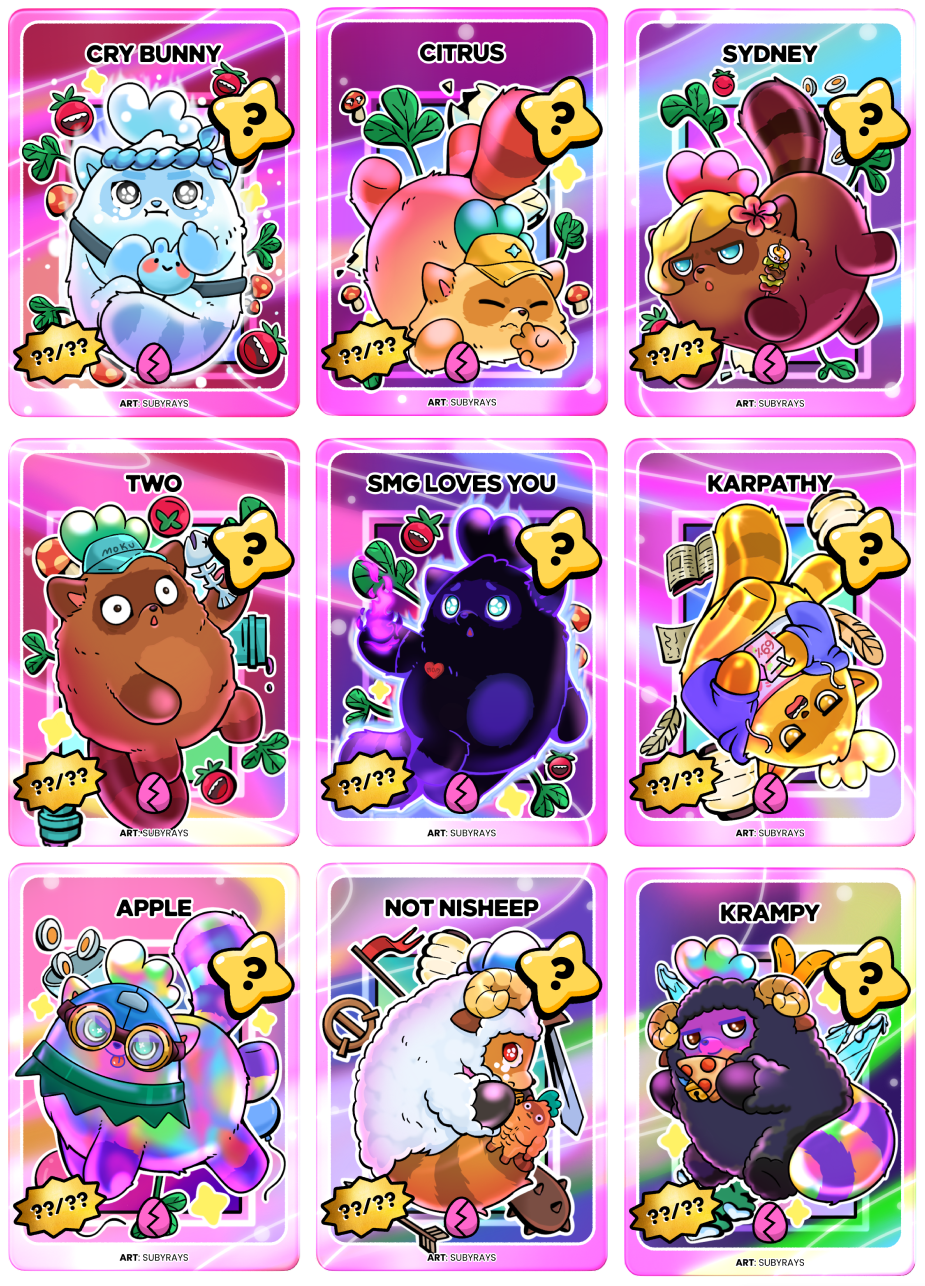
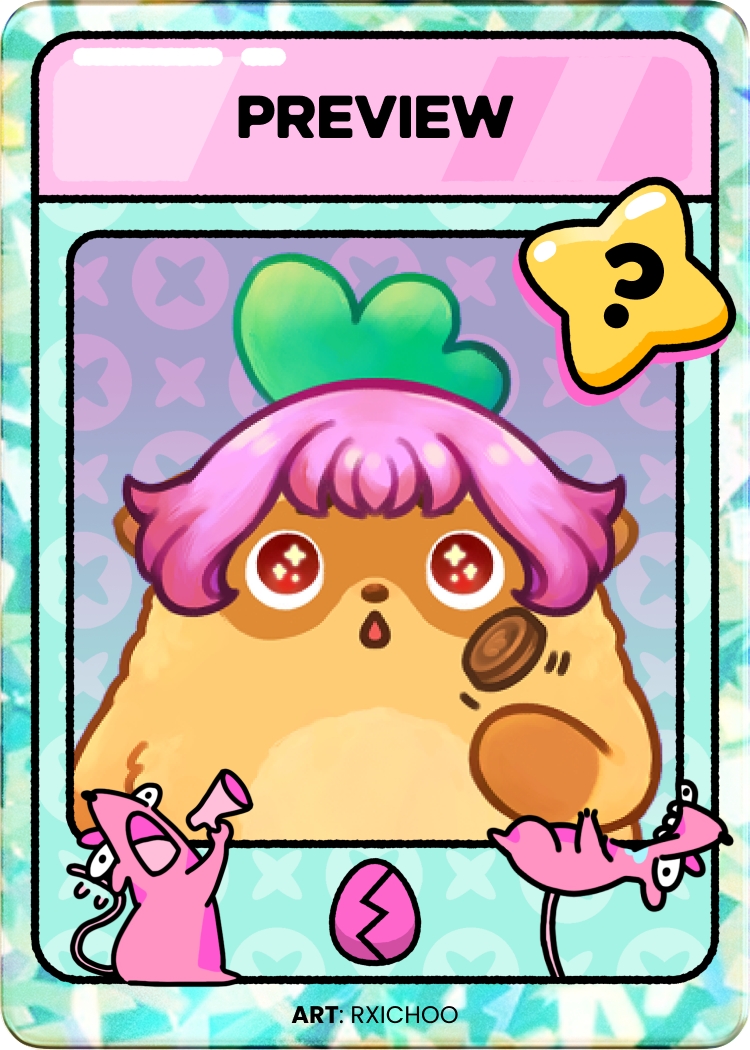
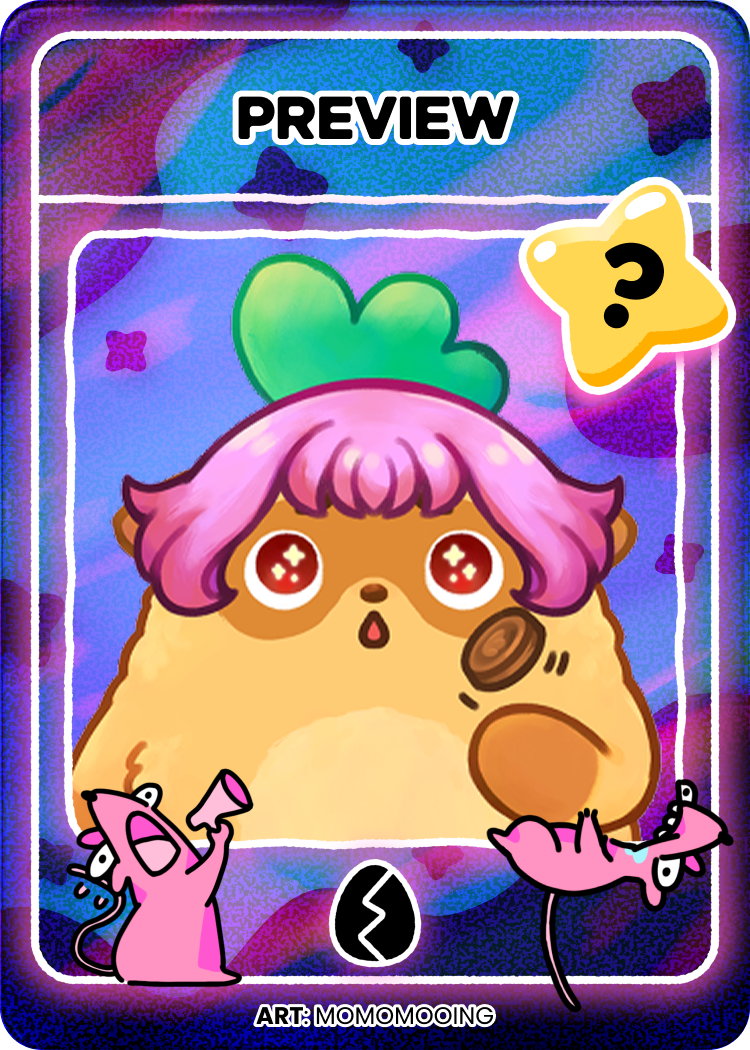
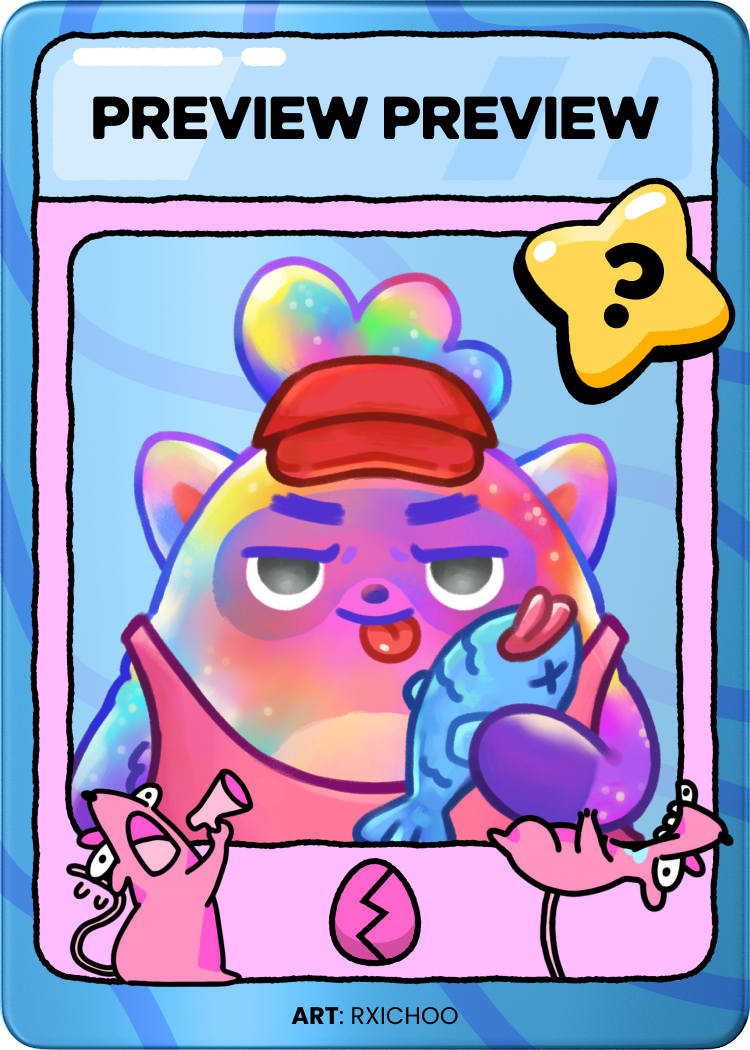
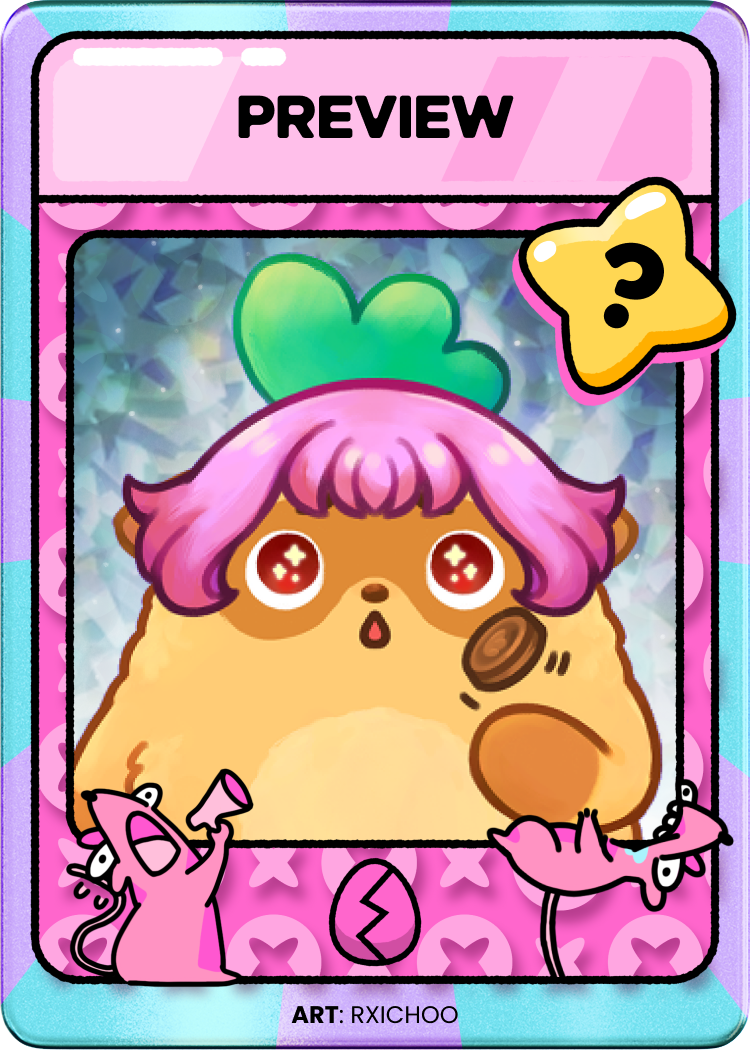
Once the foundational cards were laid down the next important aspect was being able to scale these. By strategically creating over 140 additional aspects with the help of our engineers we were able to delivery over 860,000 unique cards.
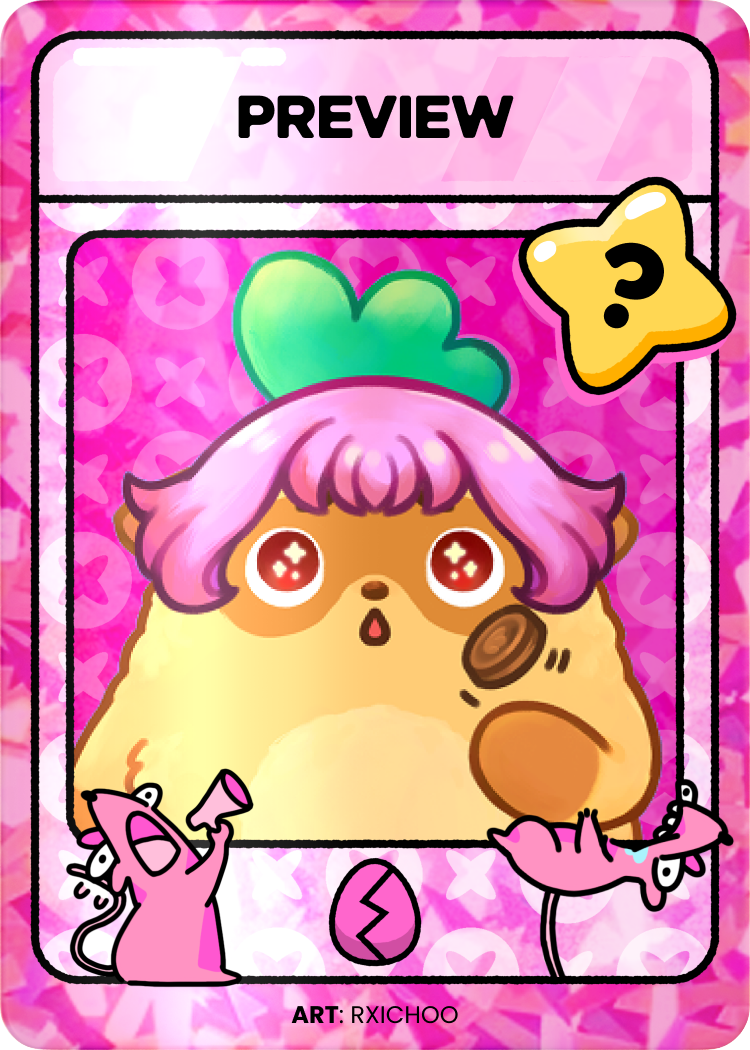
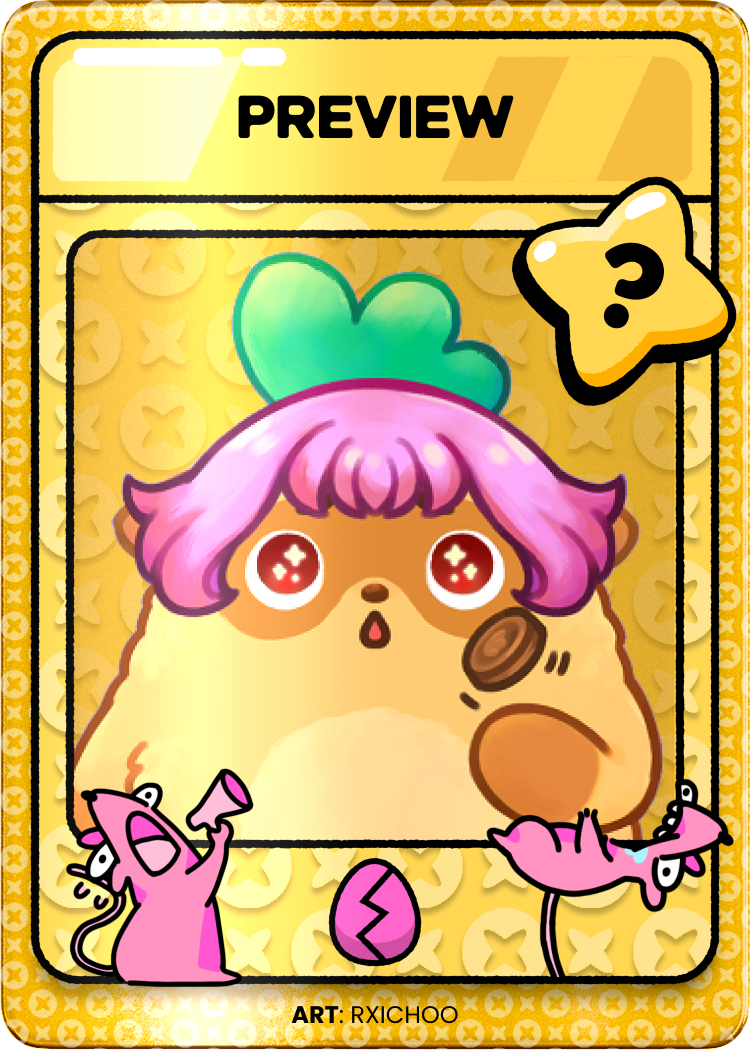
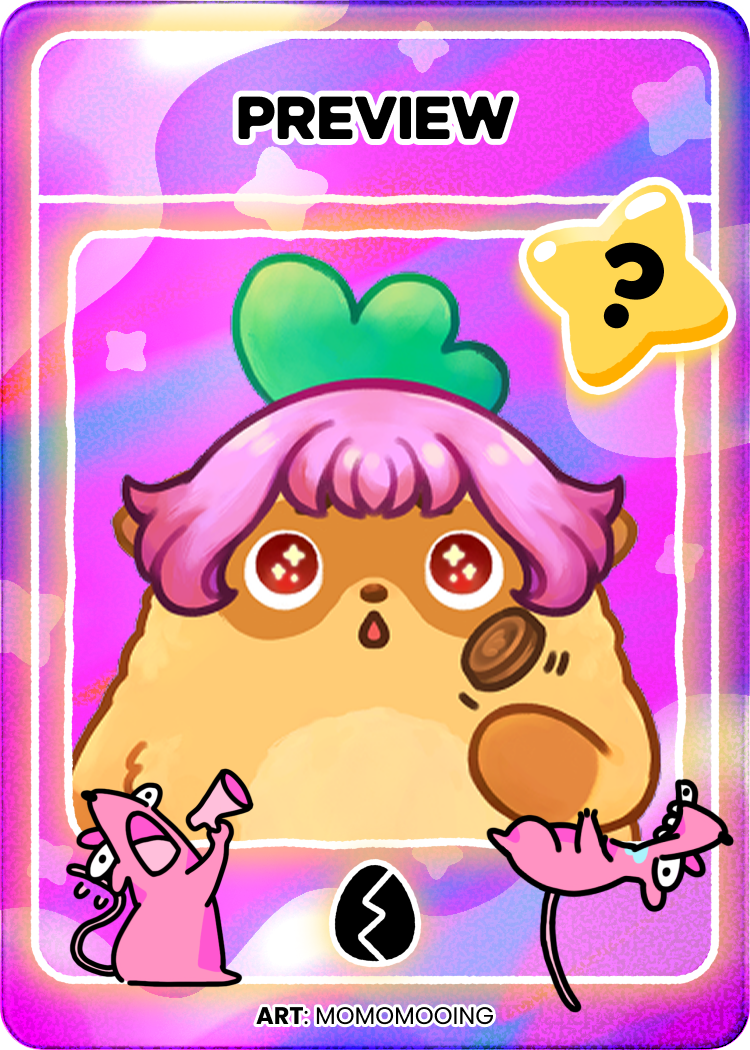
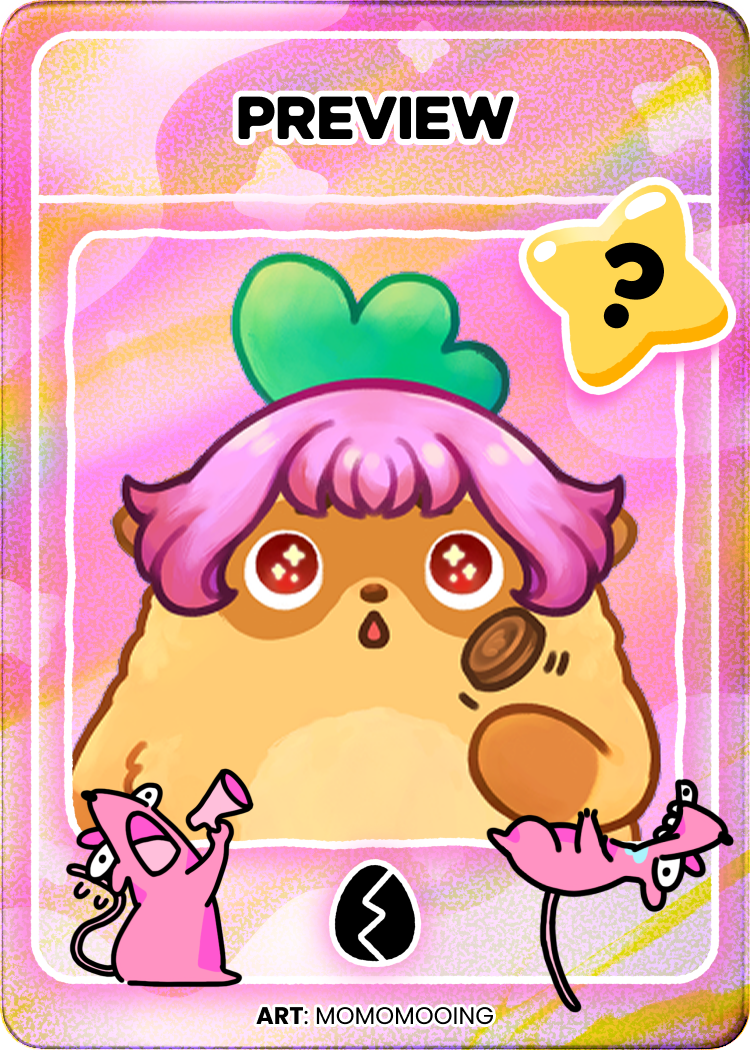
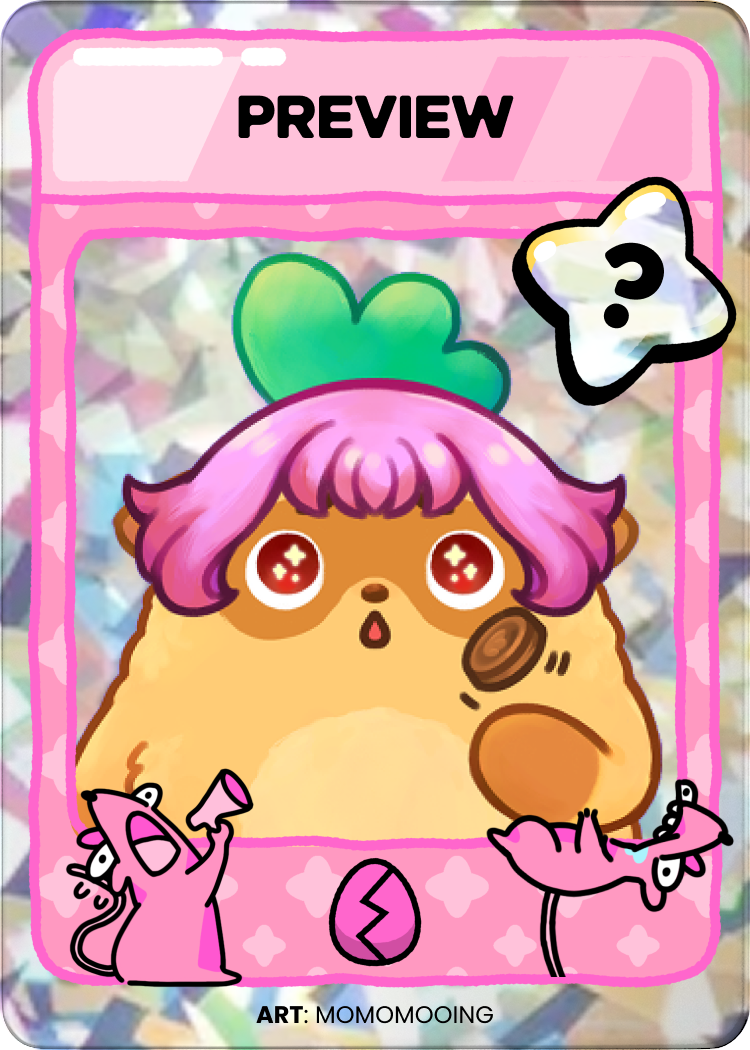
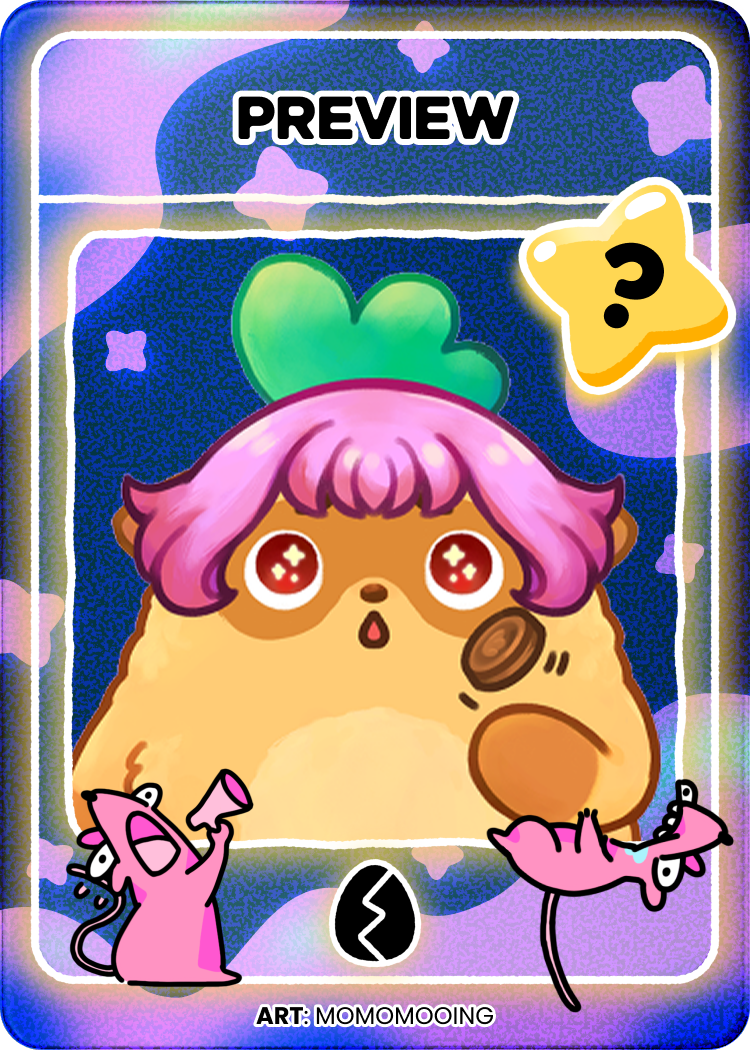
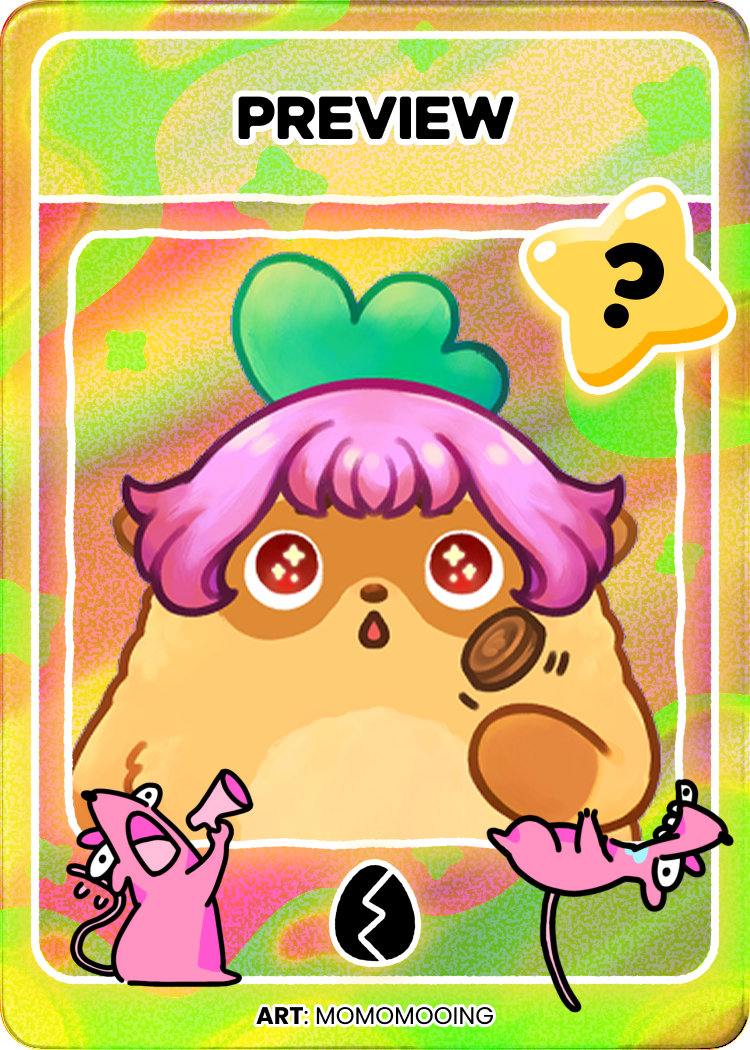
1 of 1 Style Chunks:
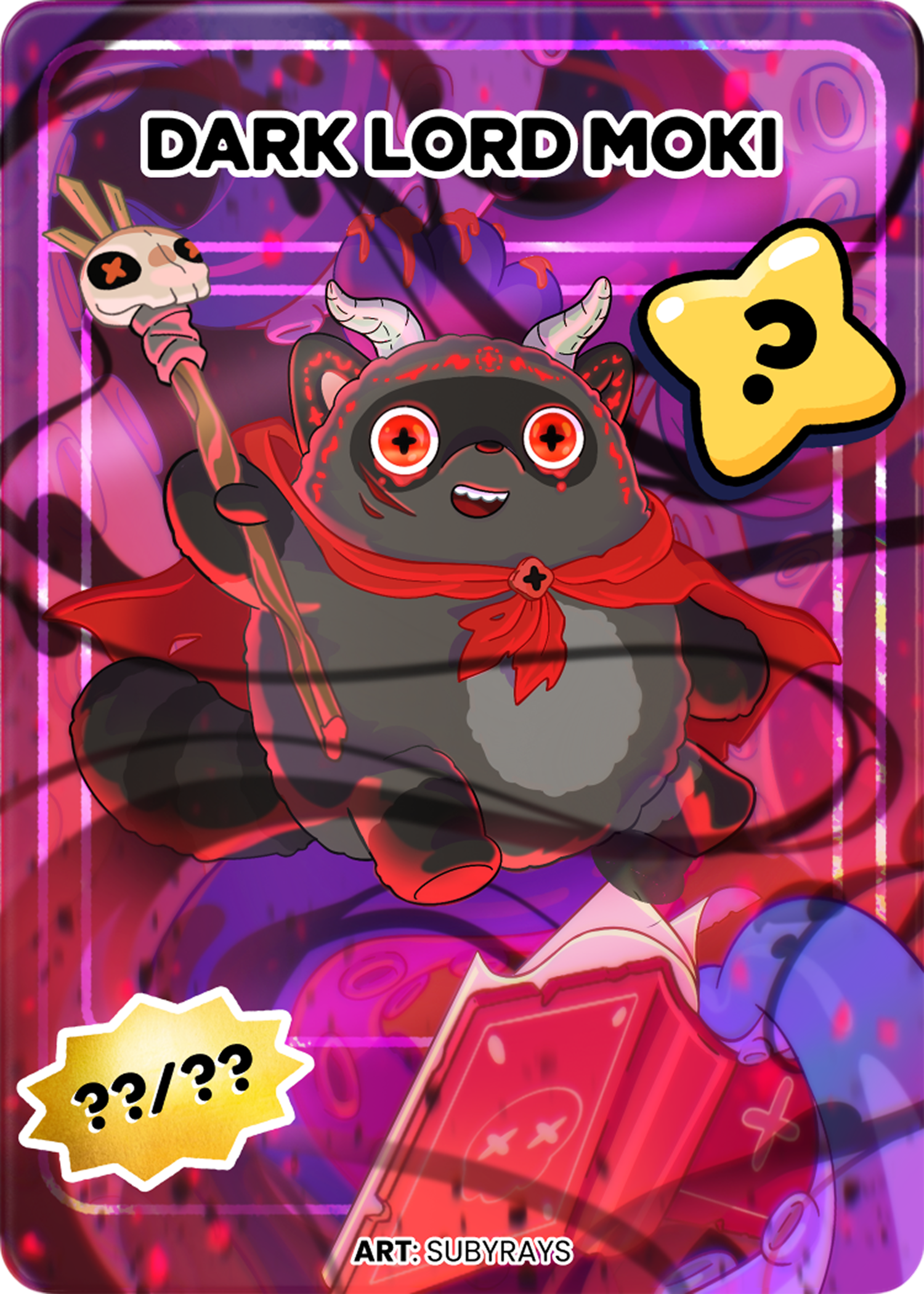
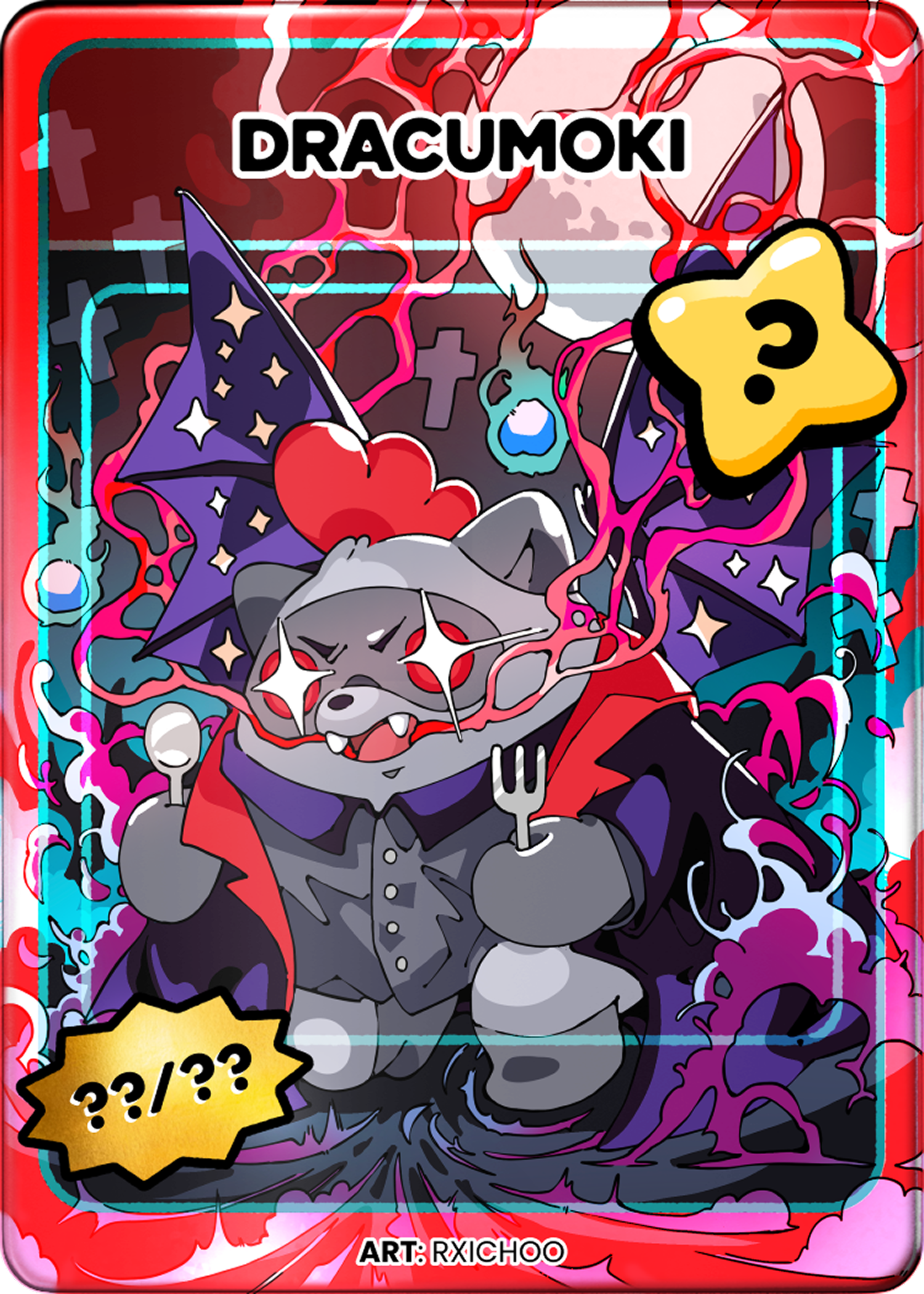
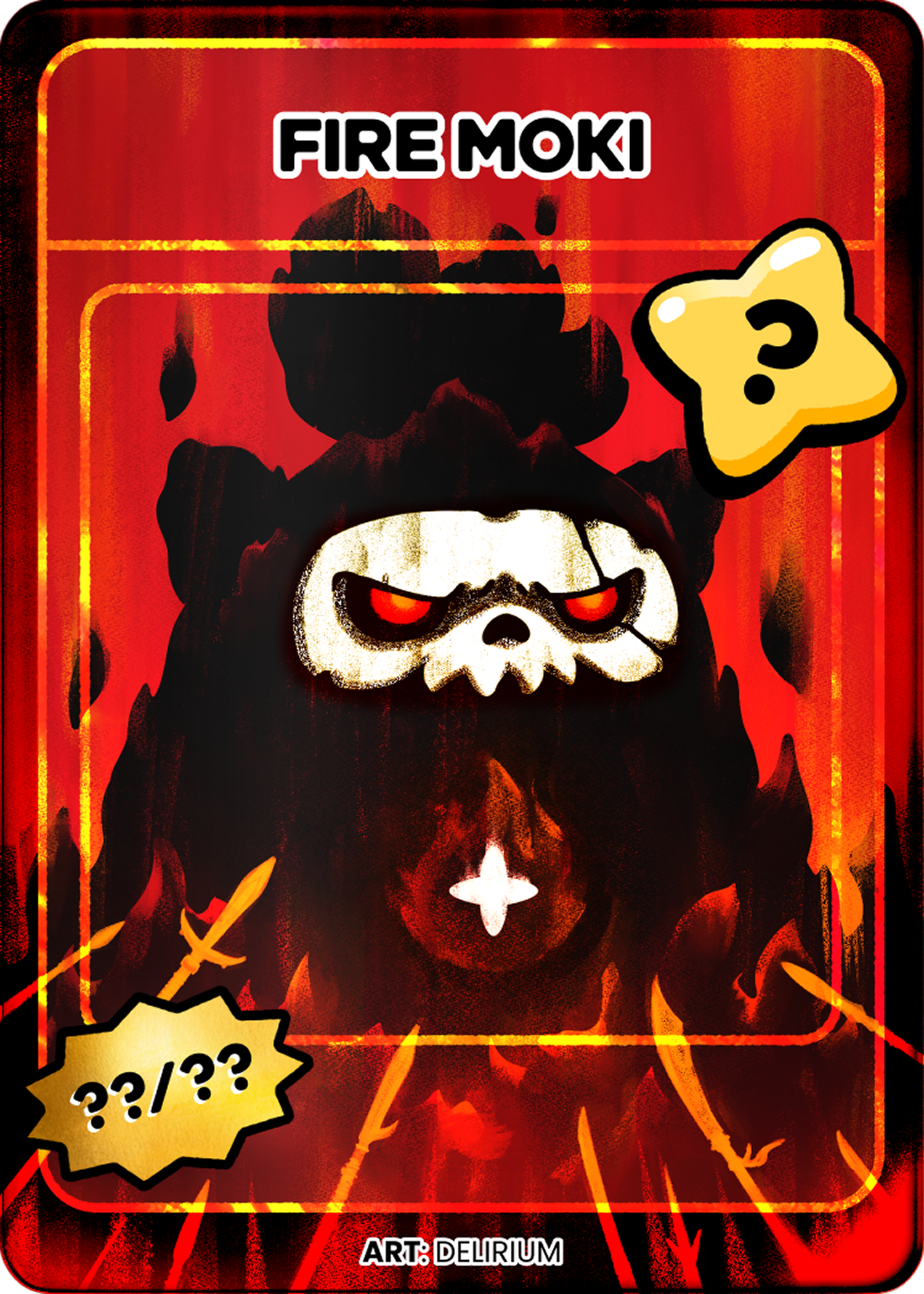
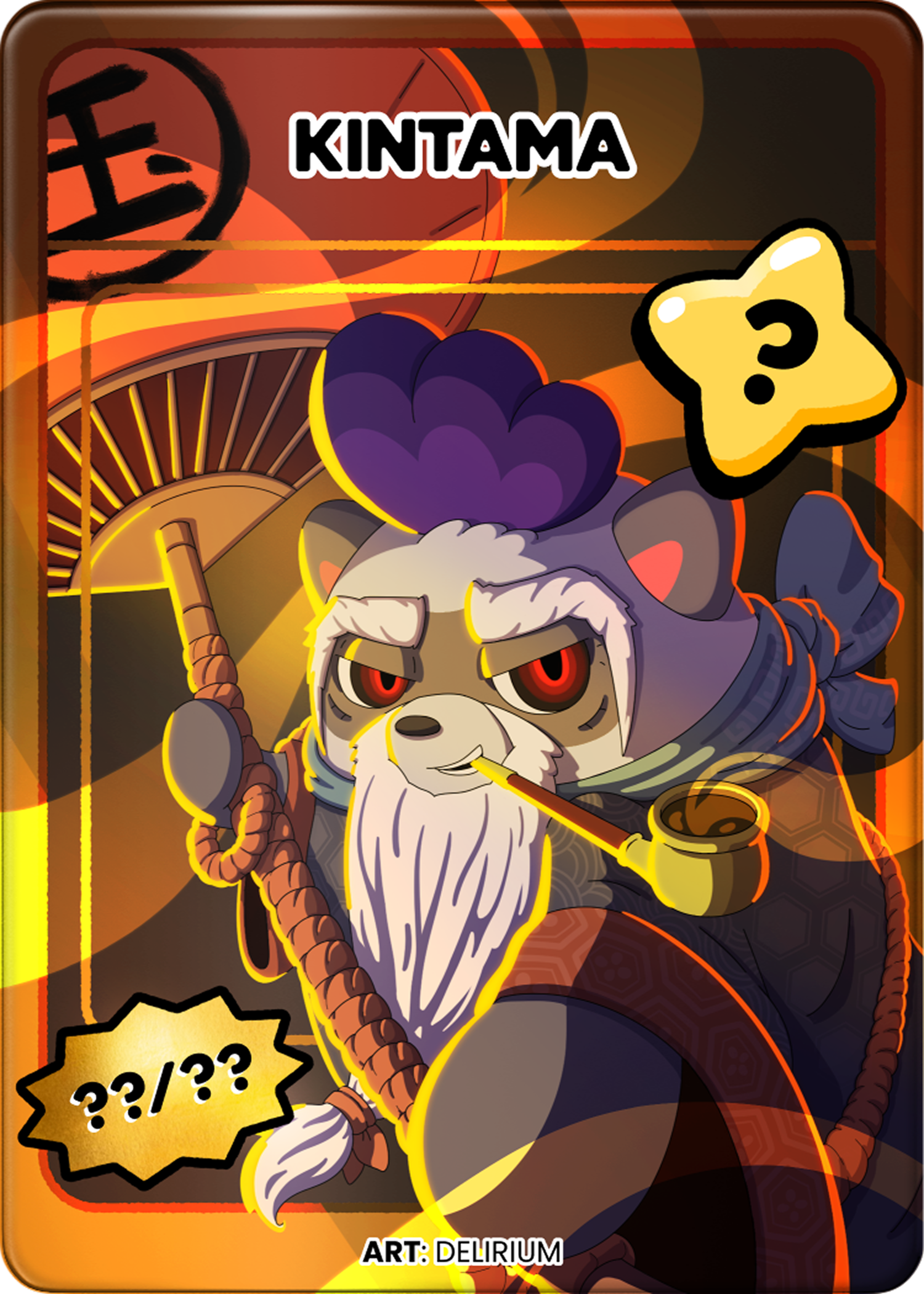
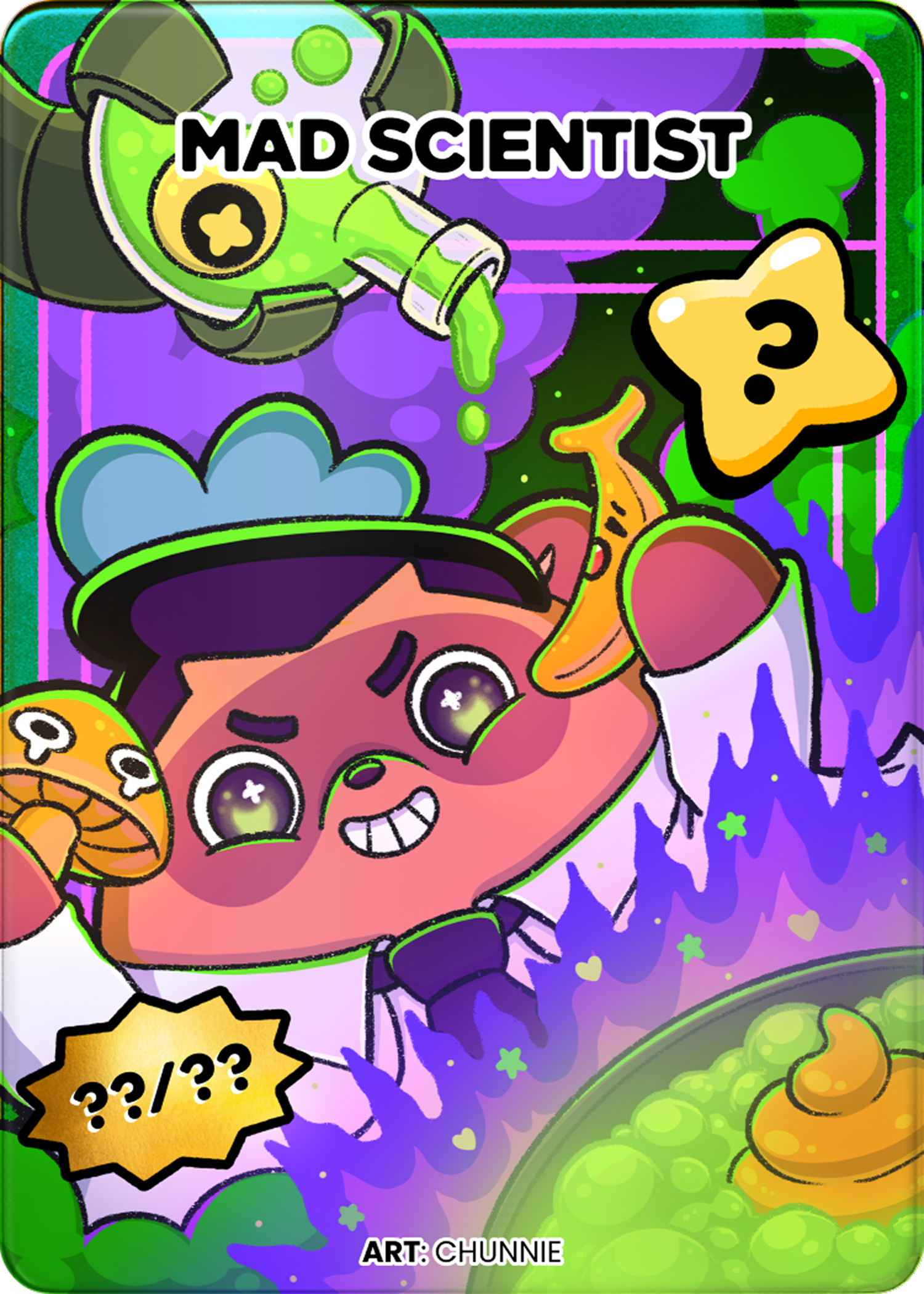
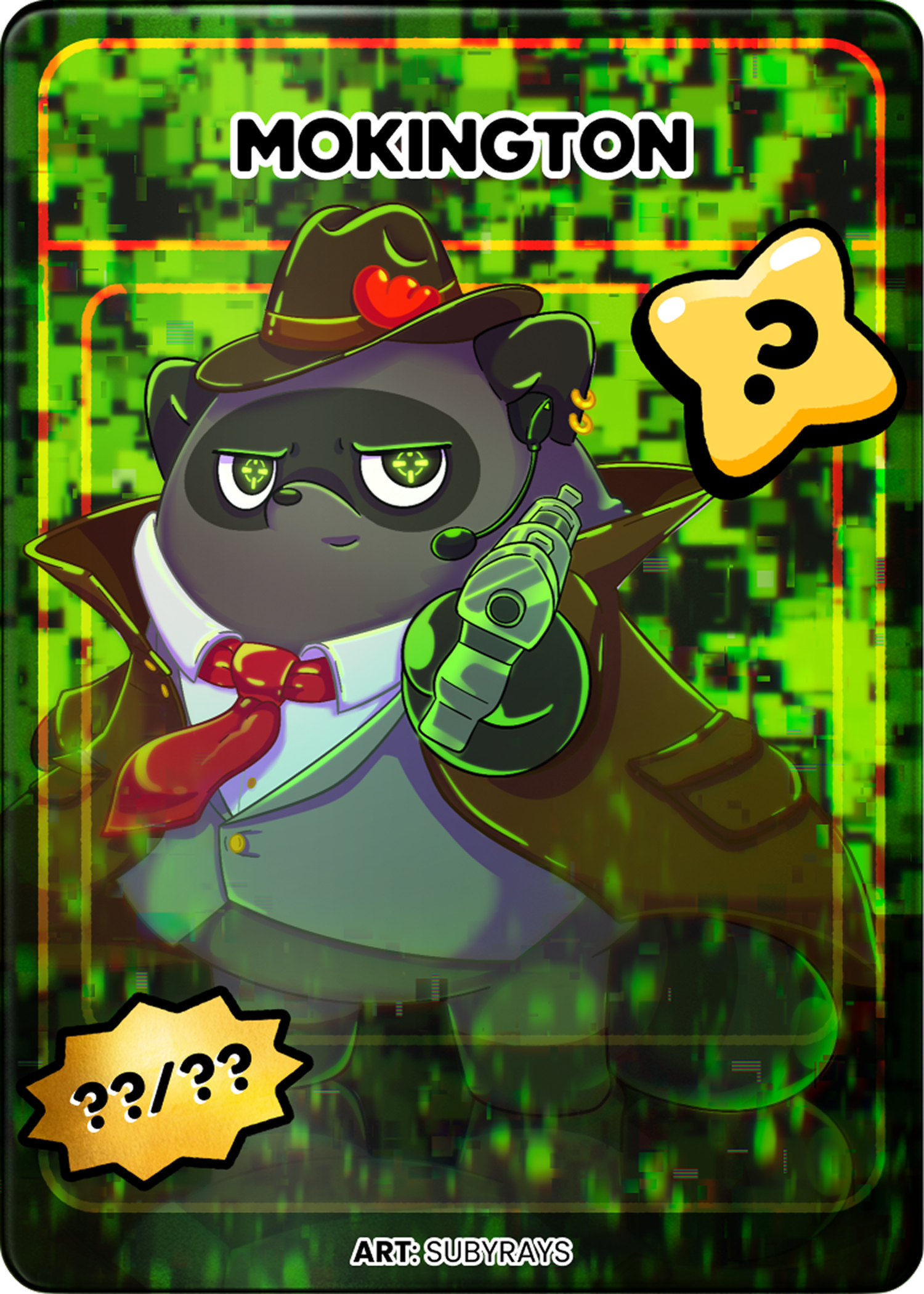
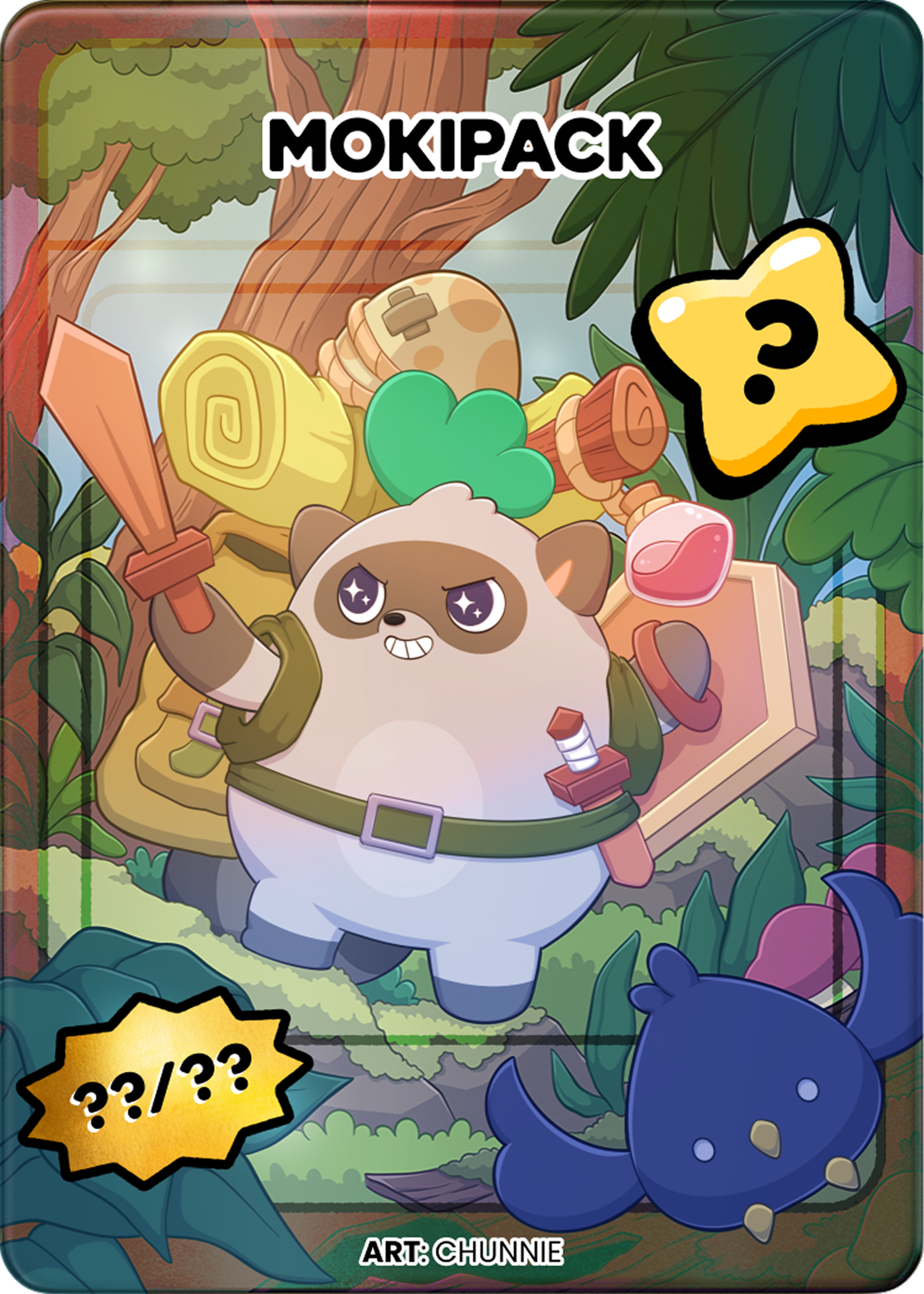
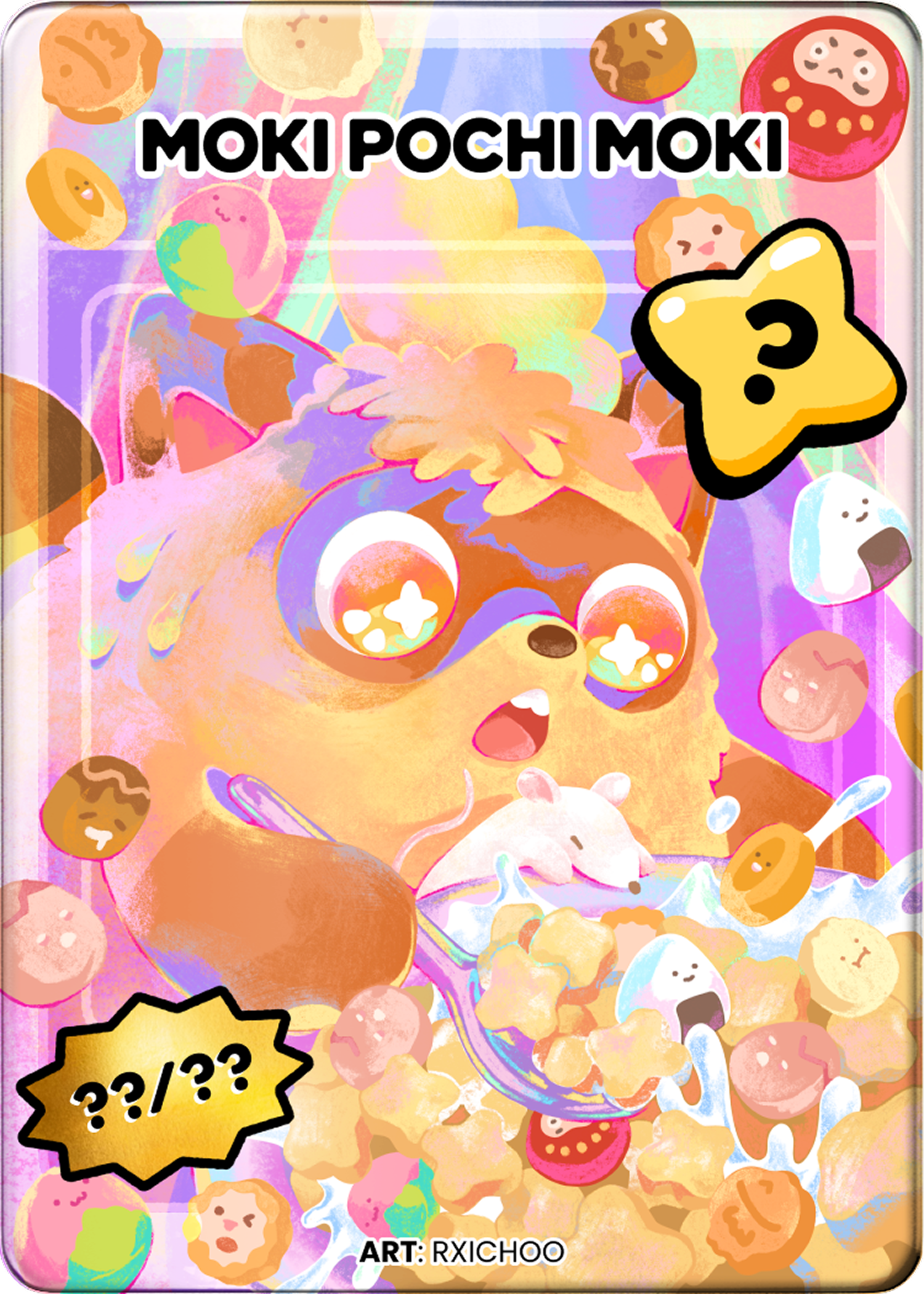
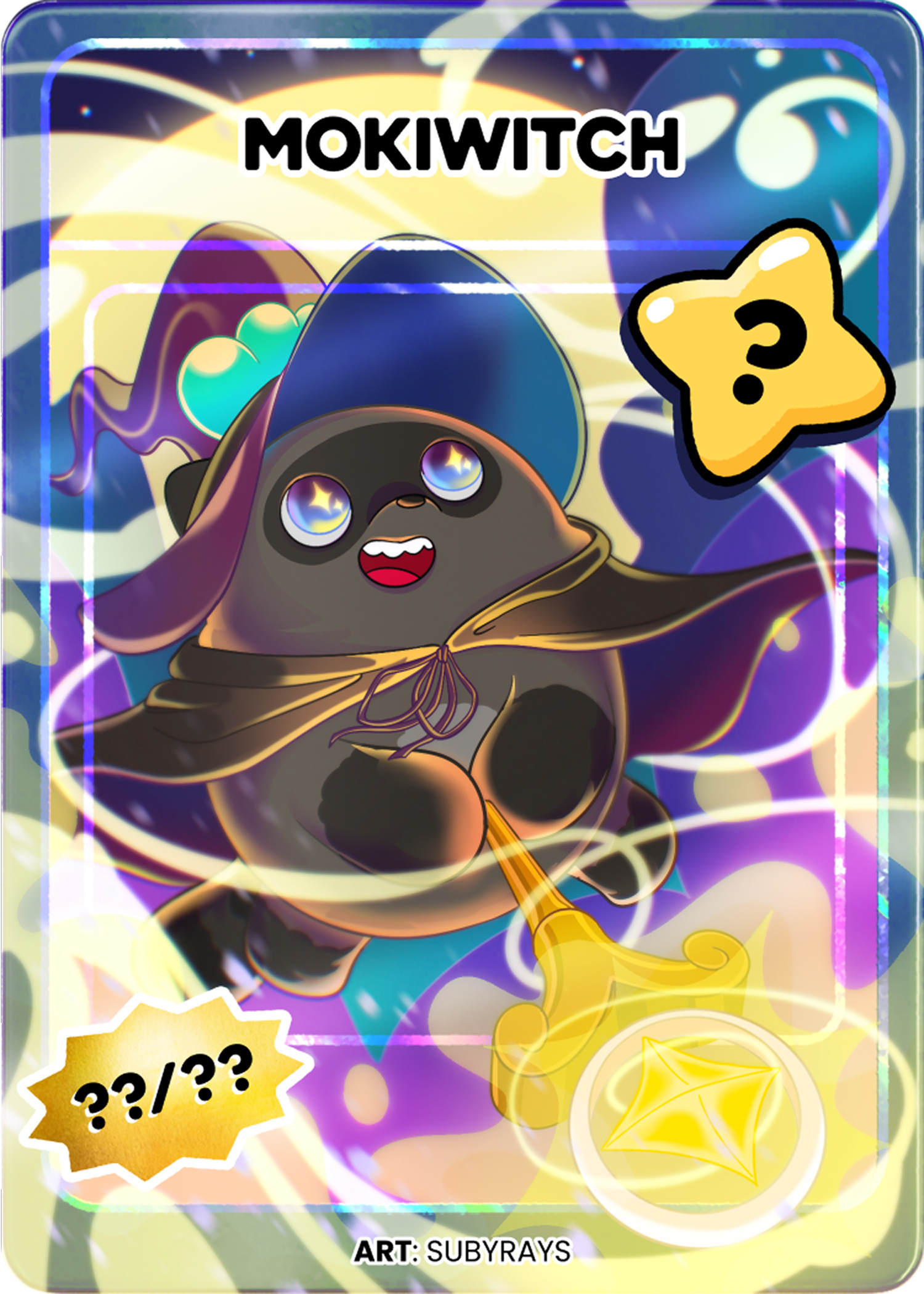
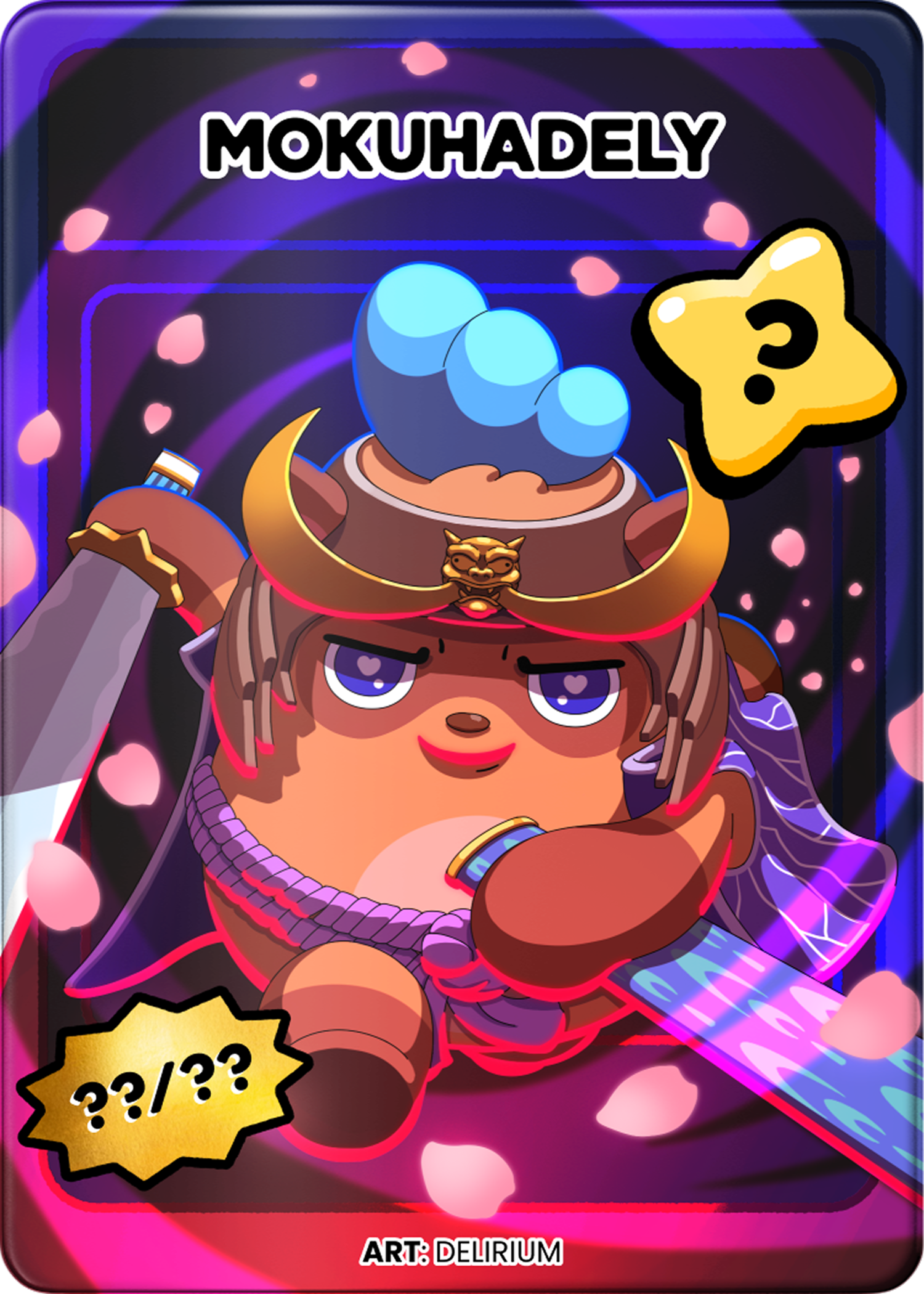
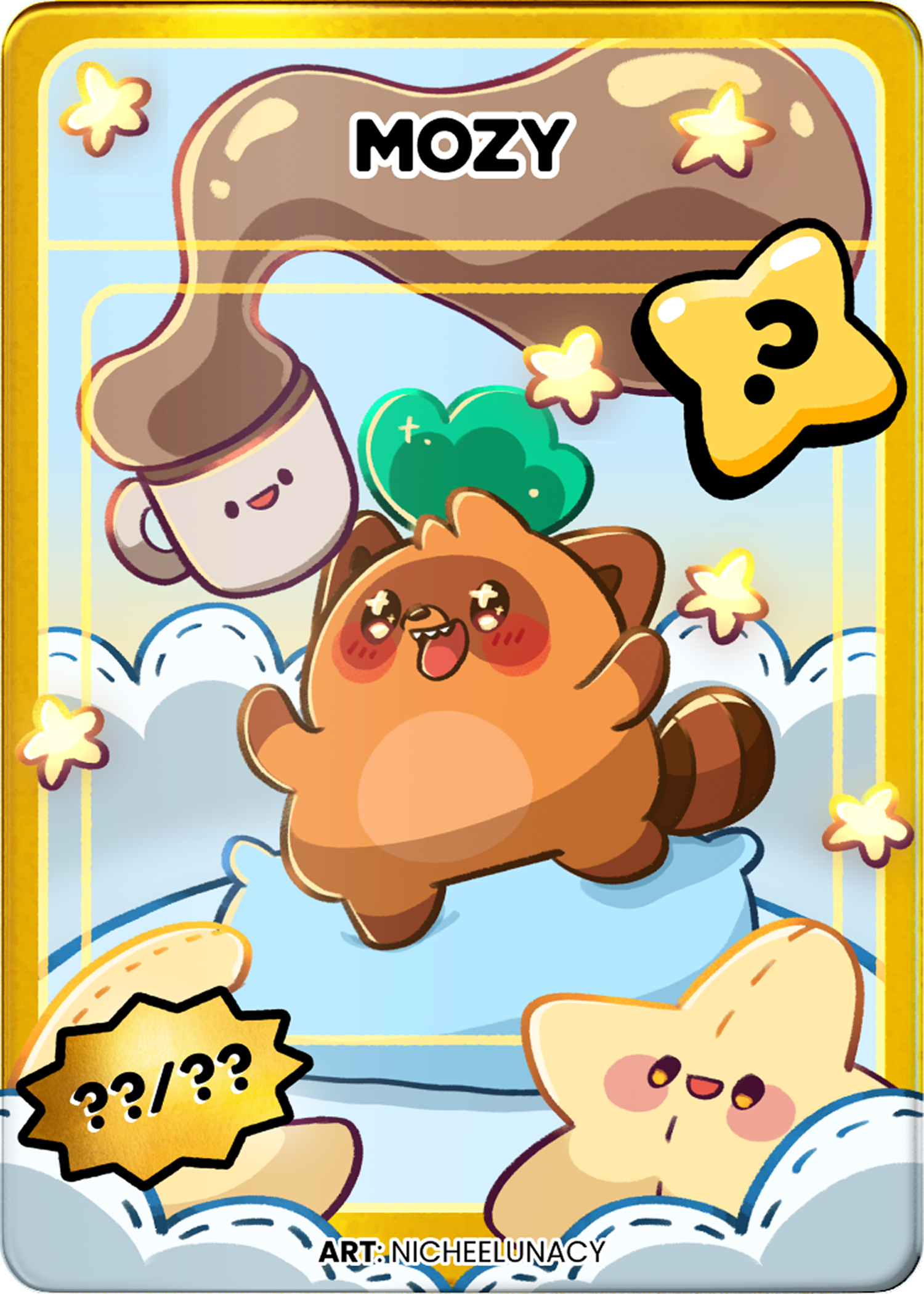
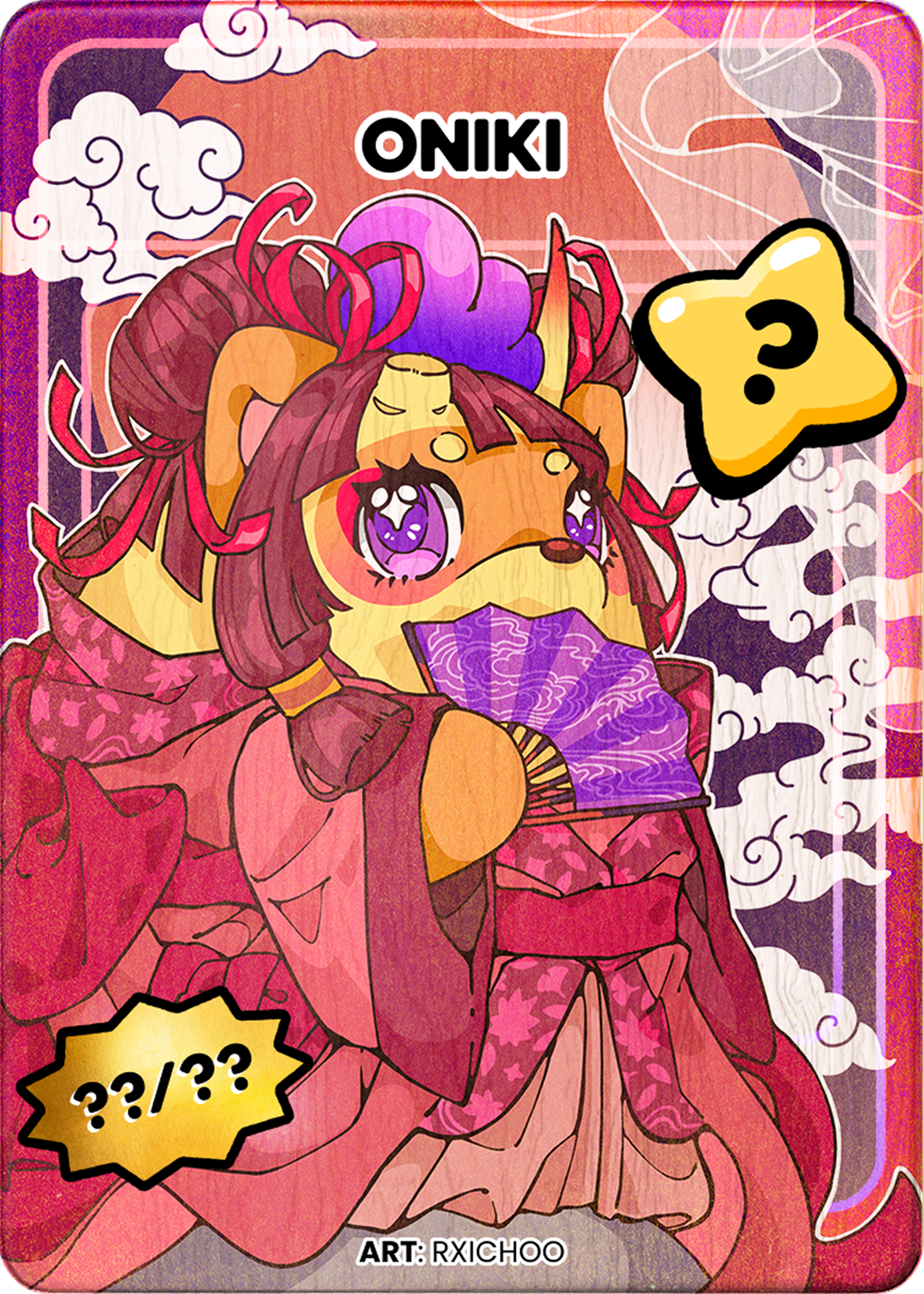
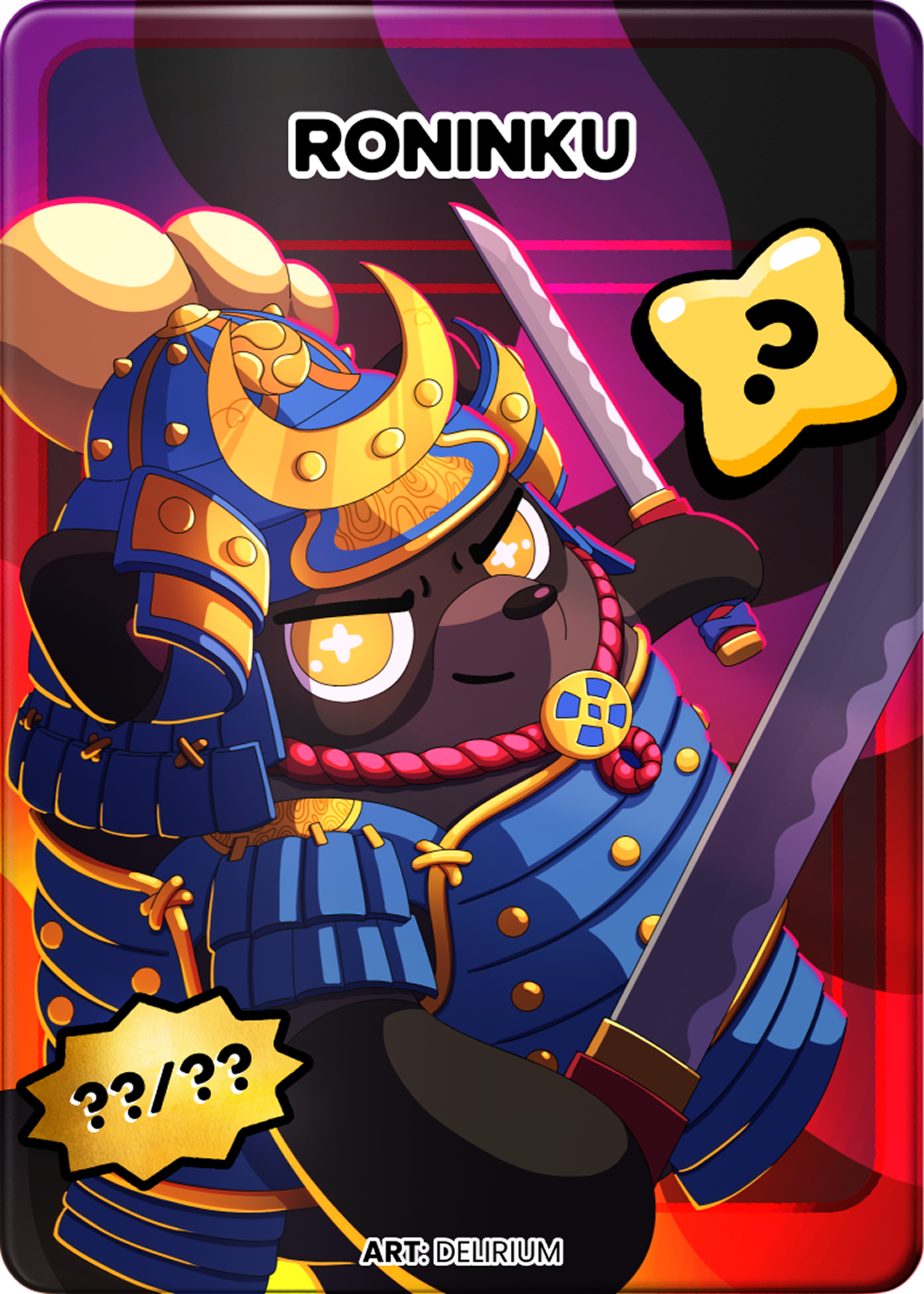
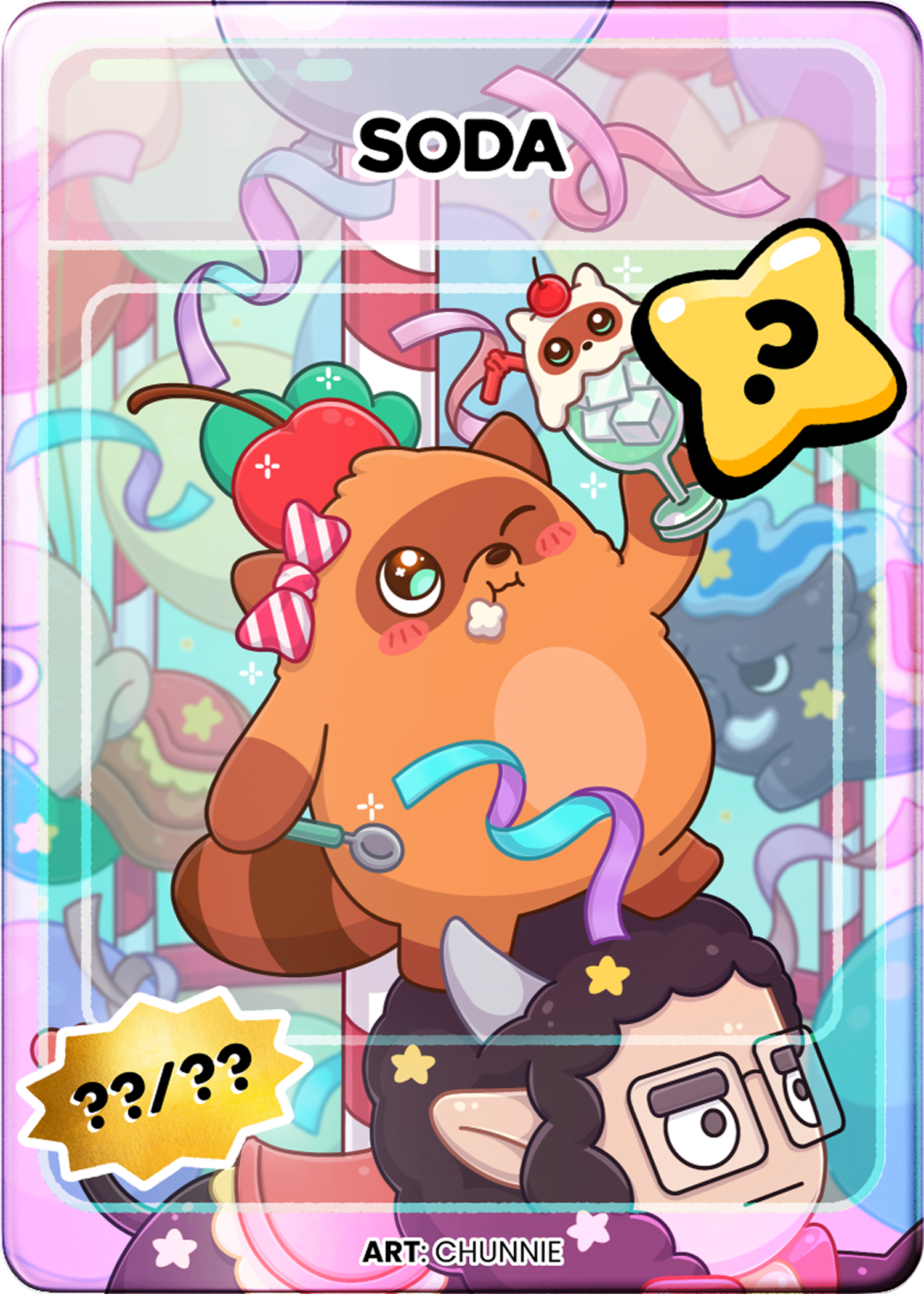
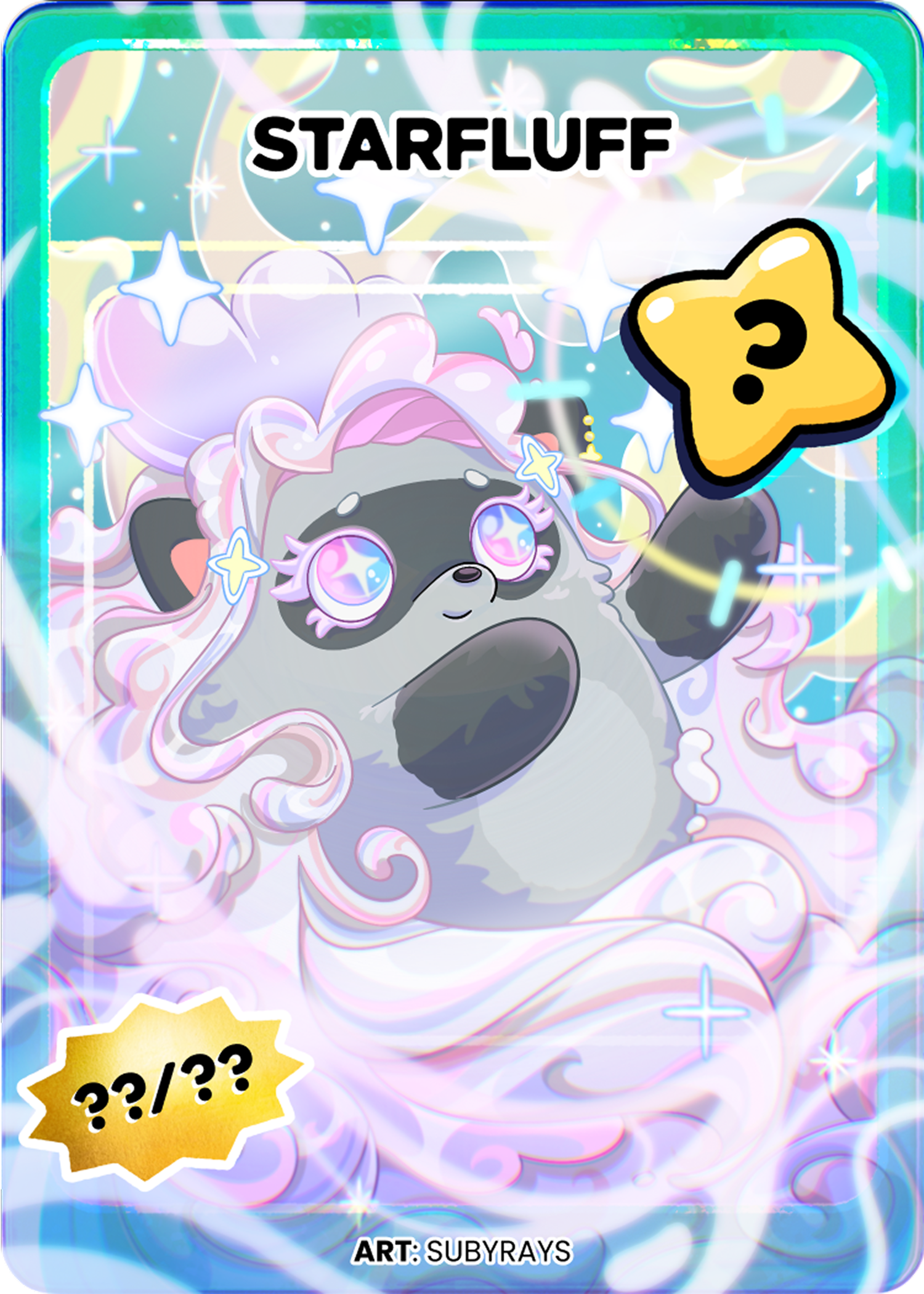
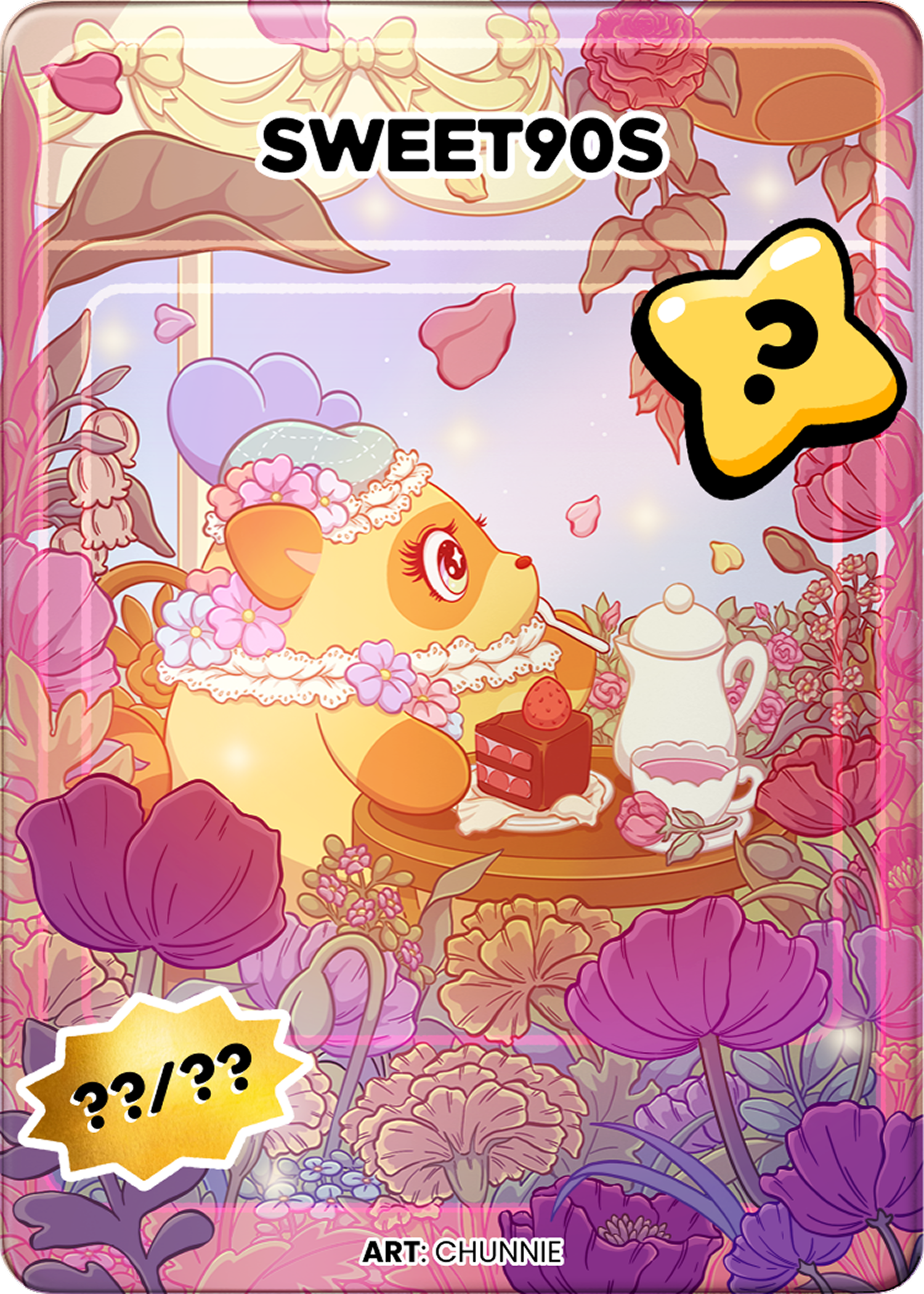
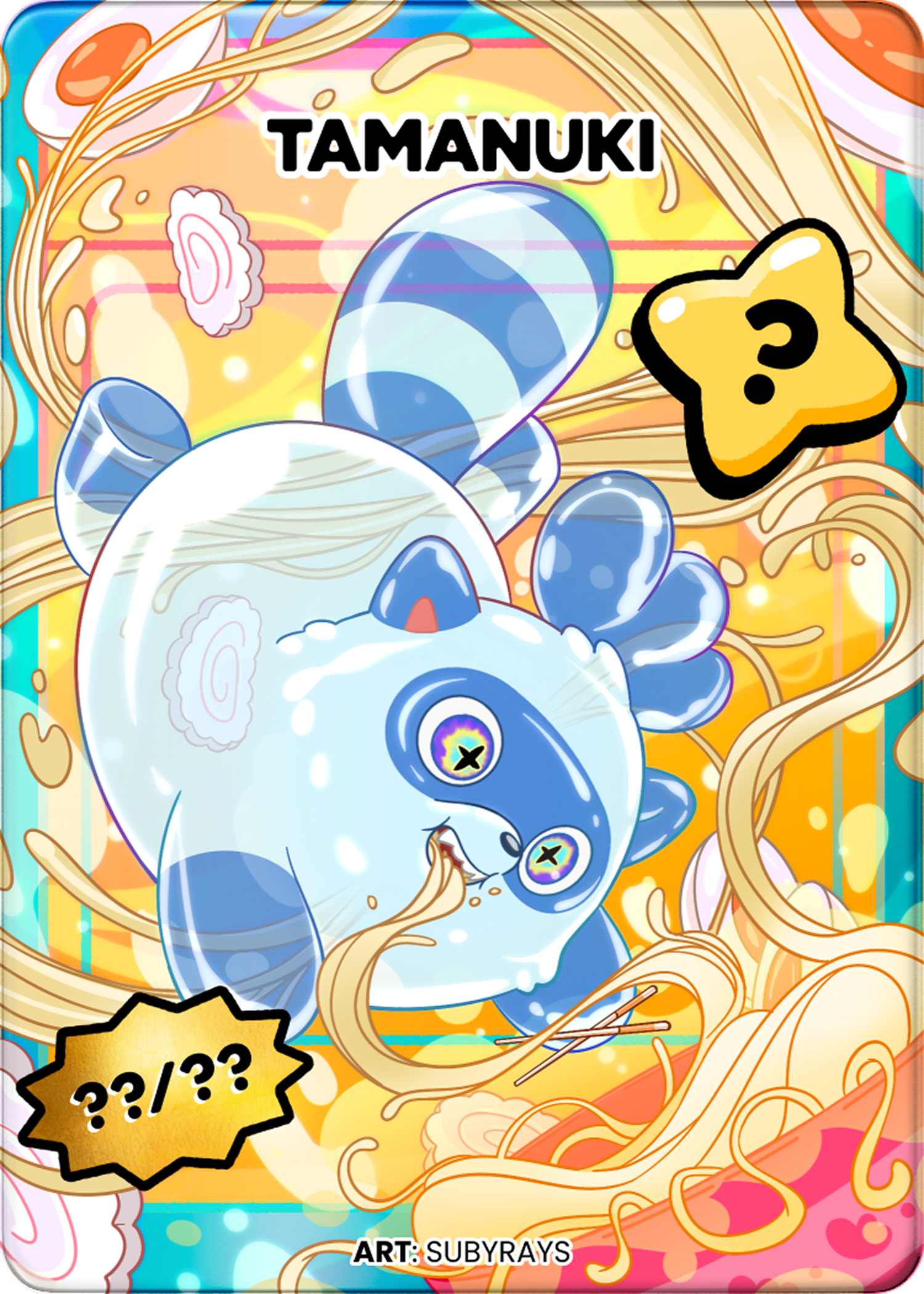
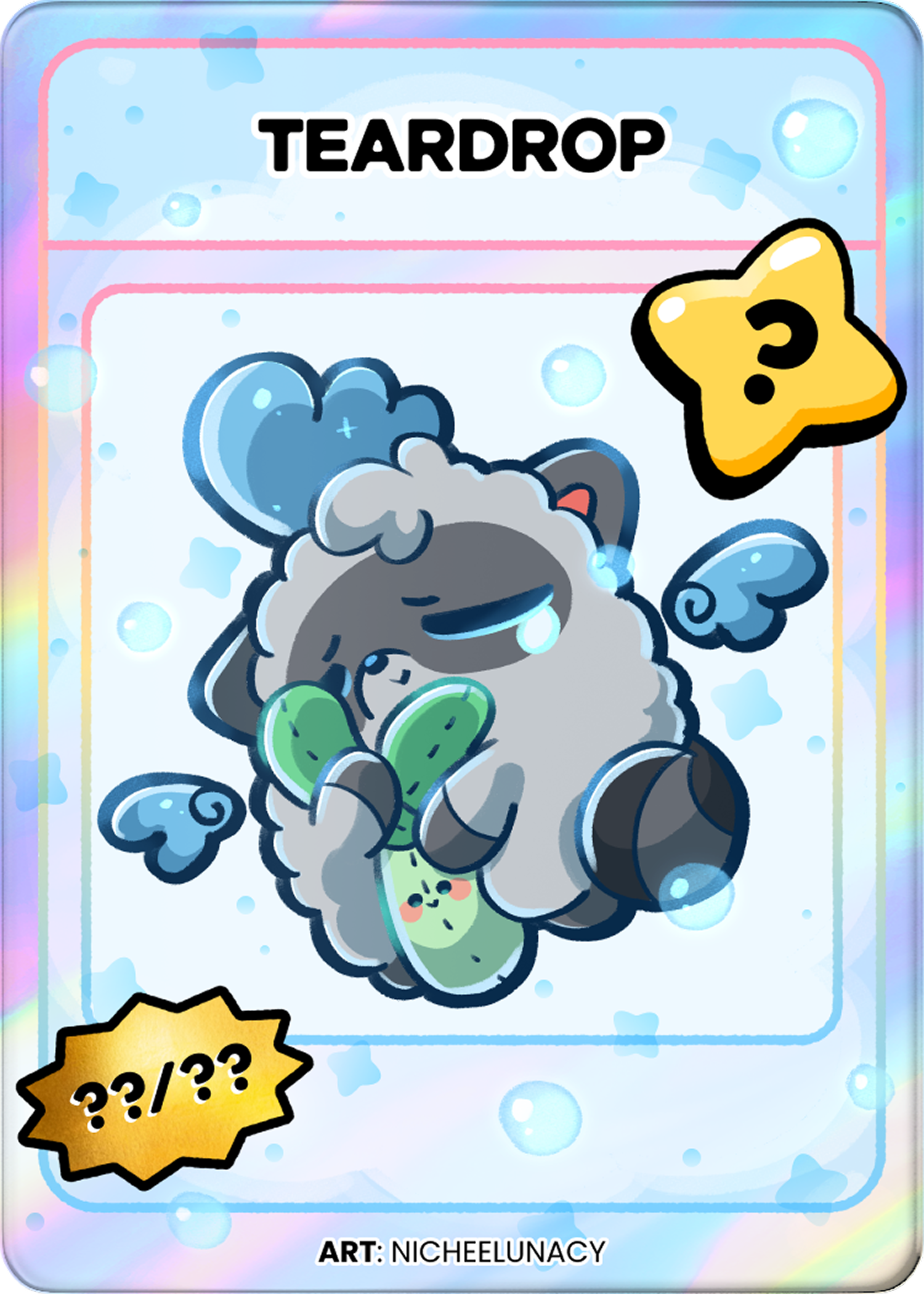
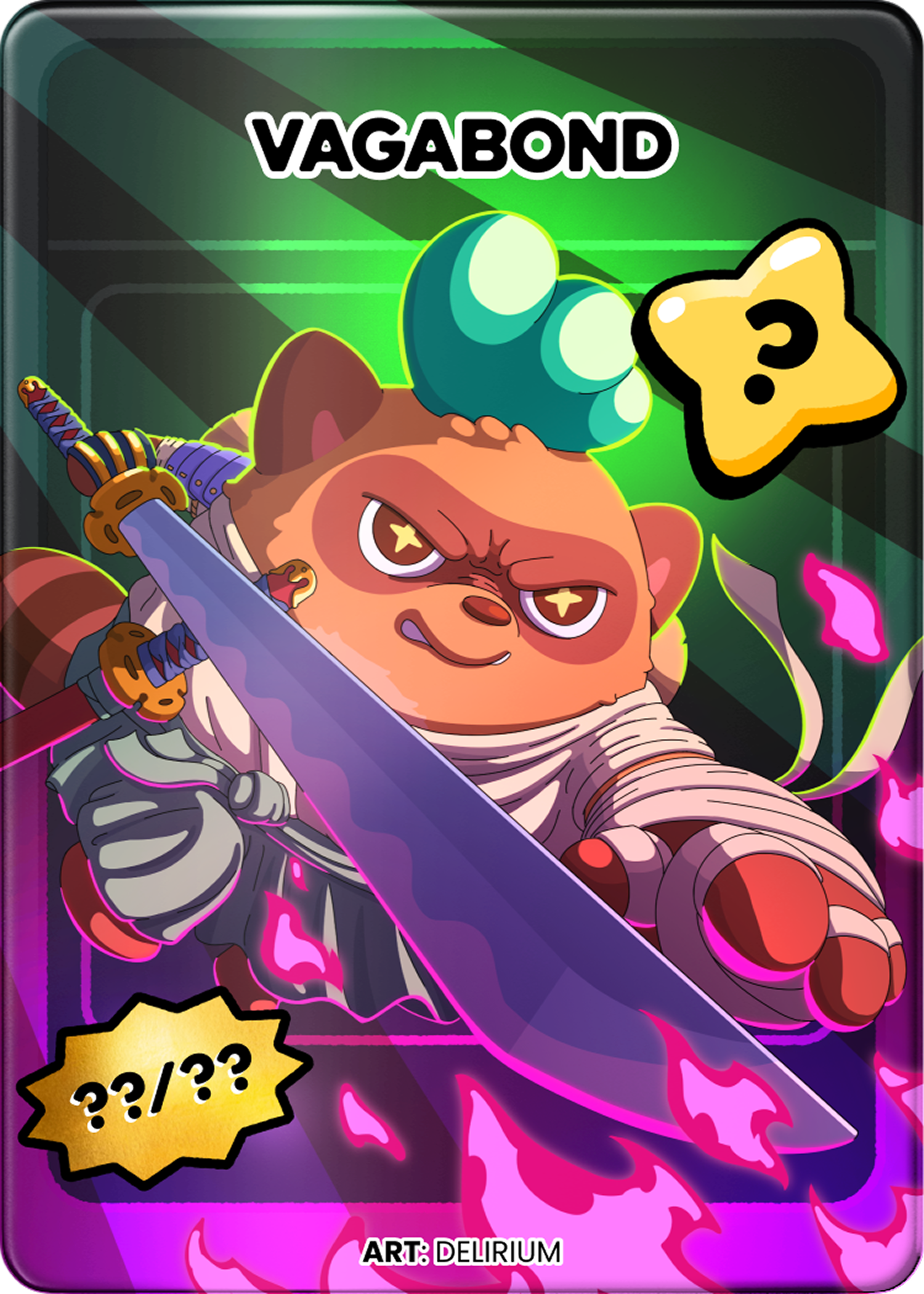
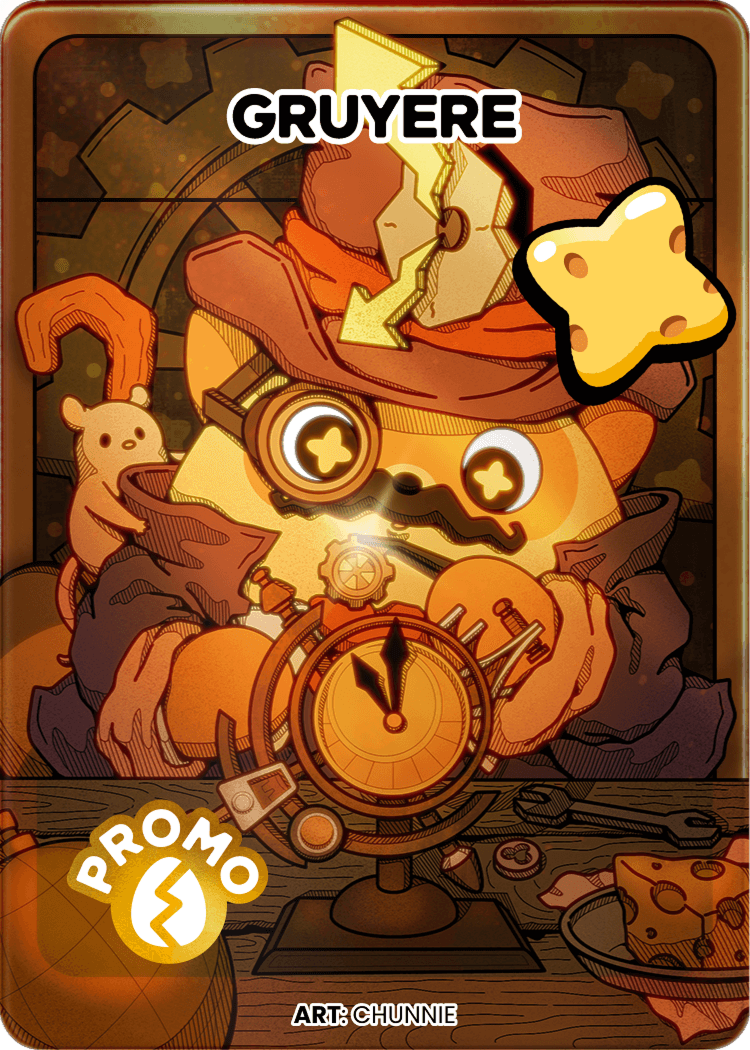
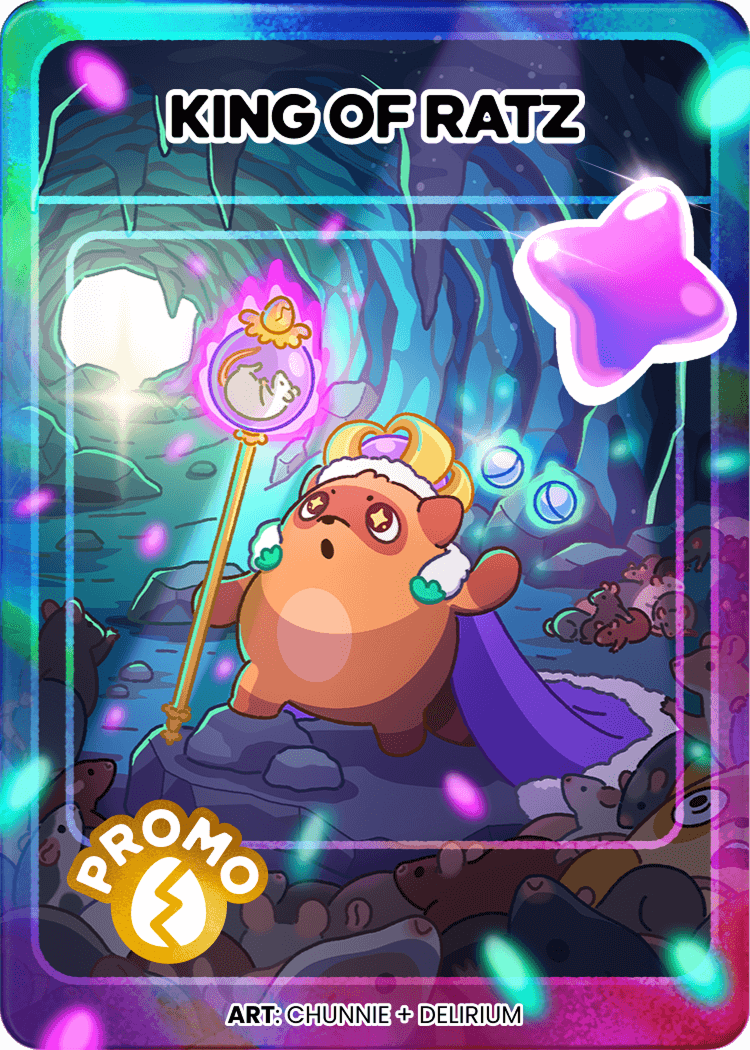
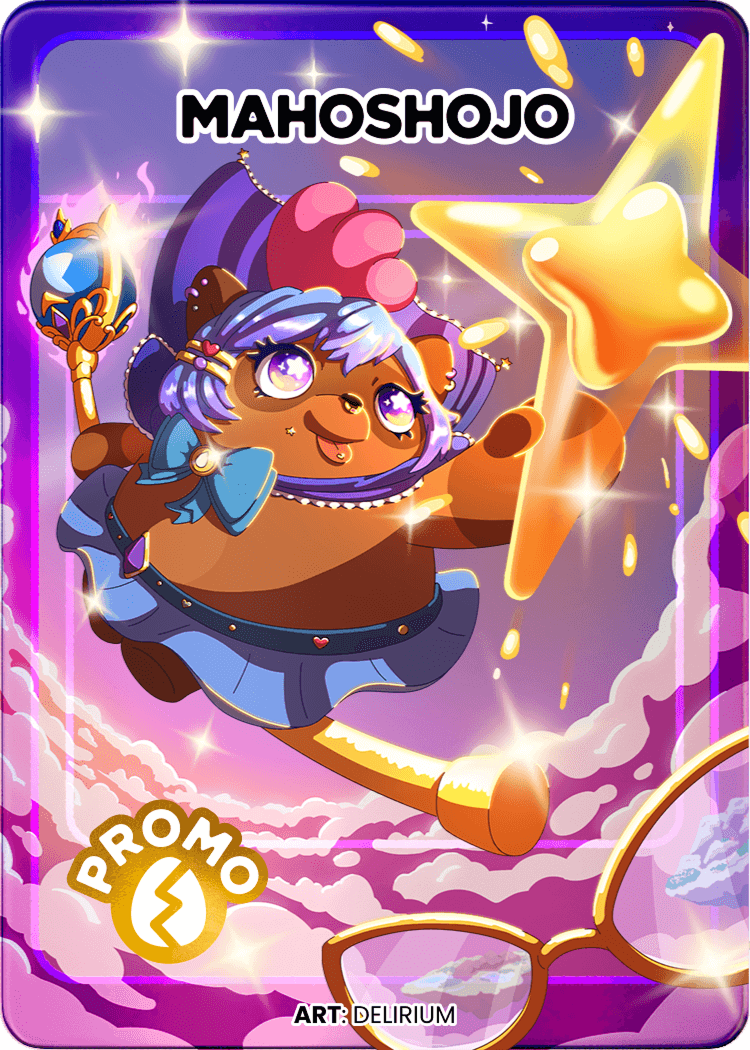
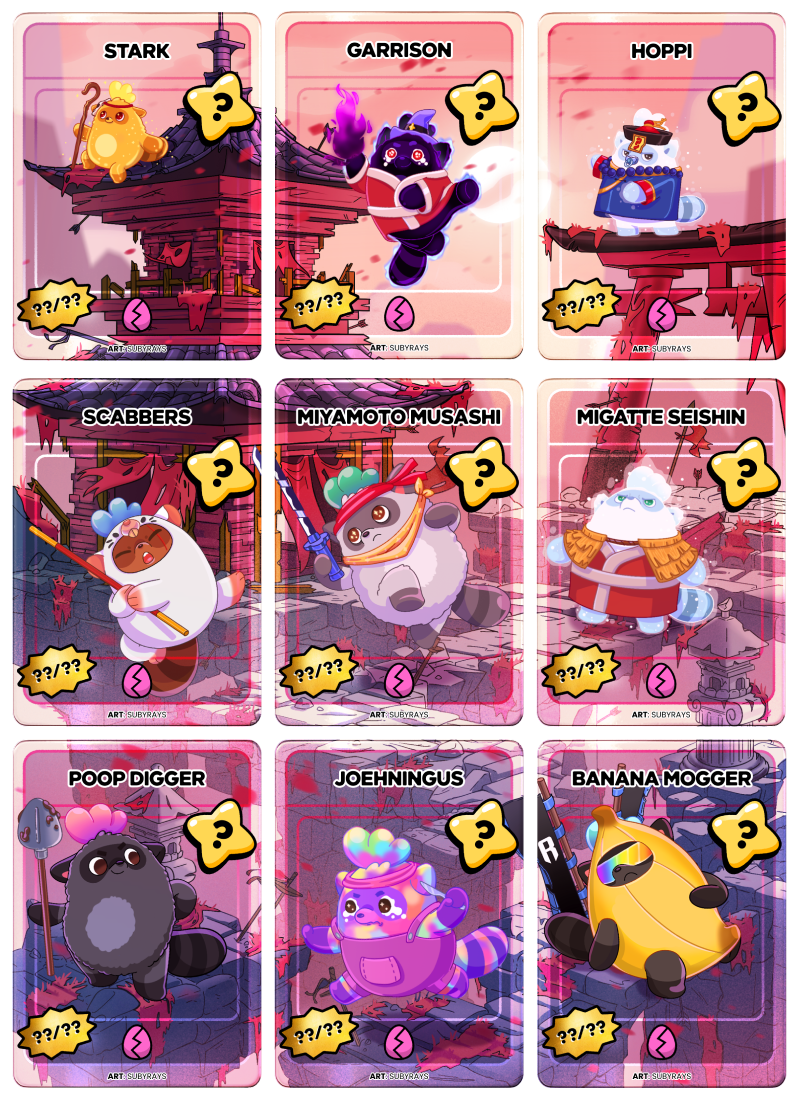
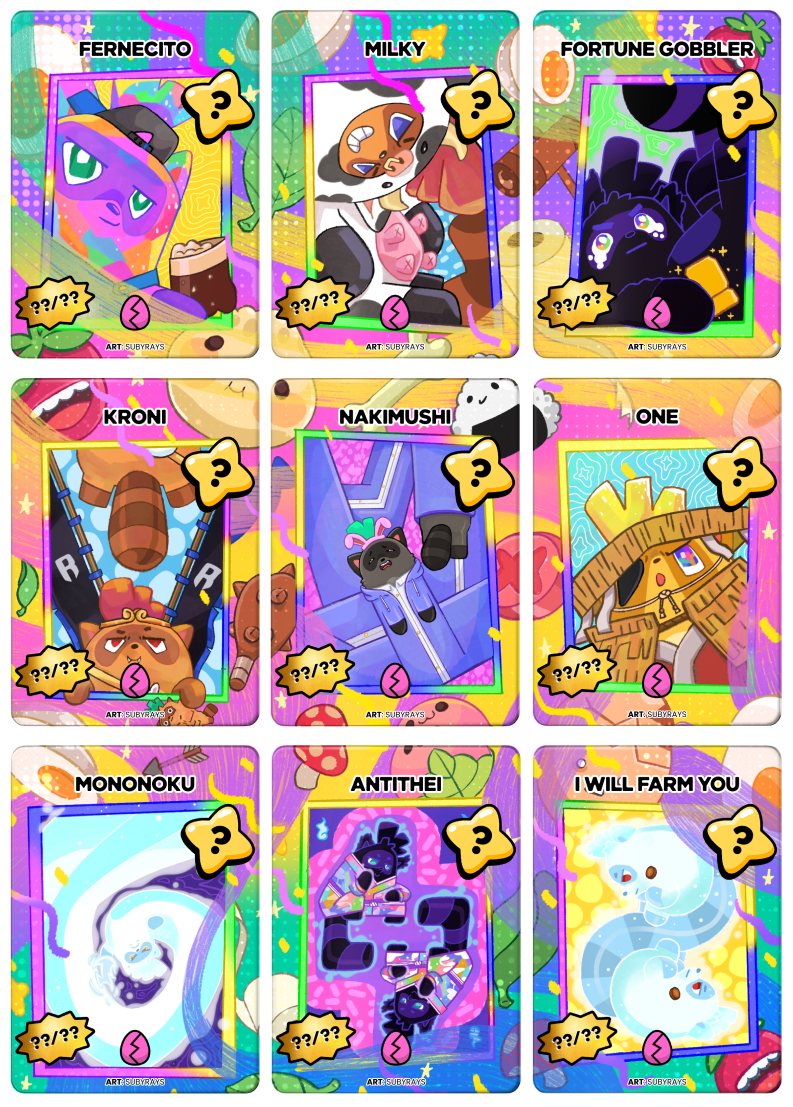
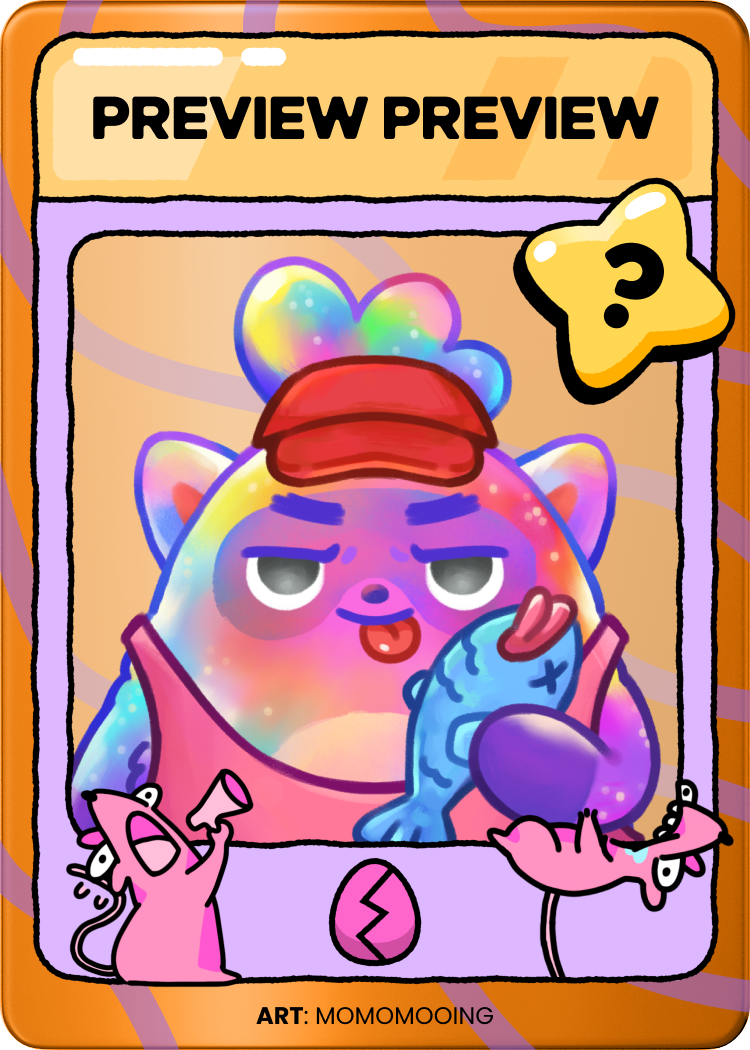
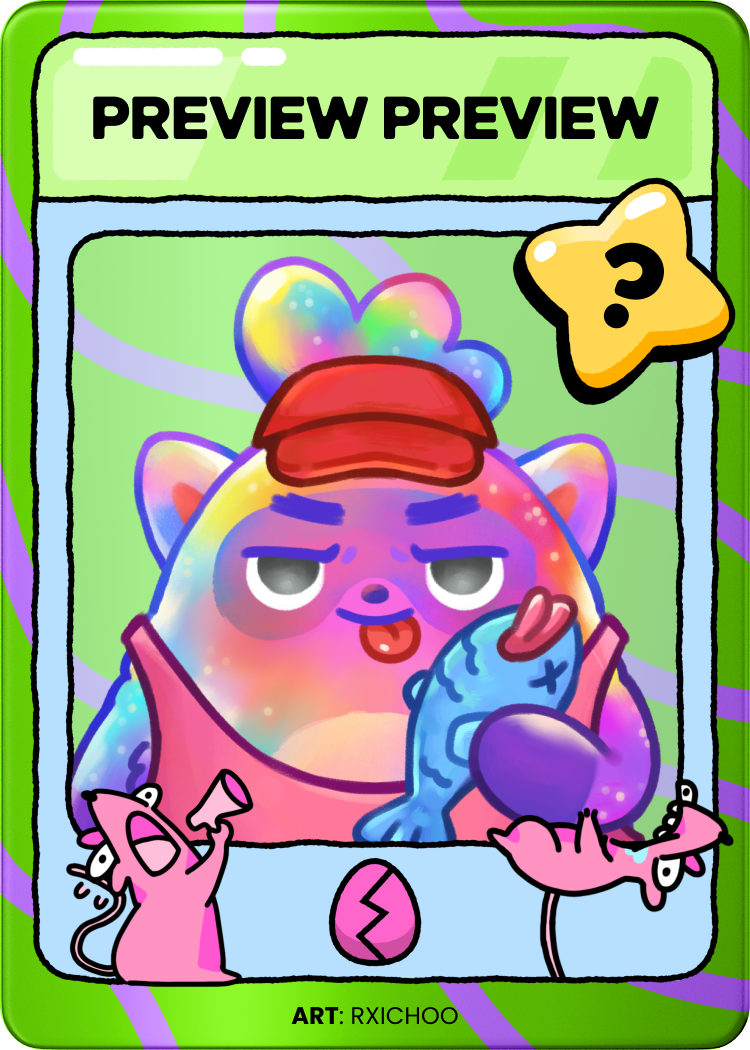
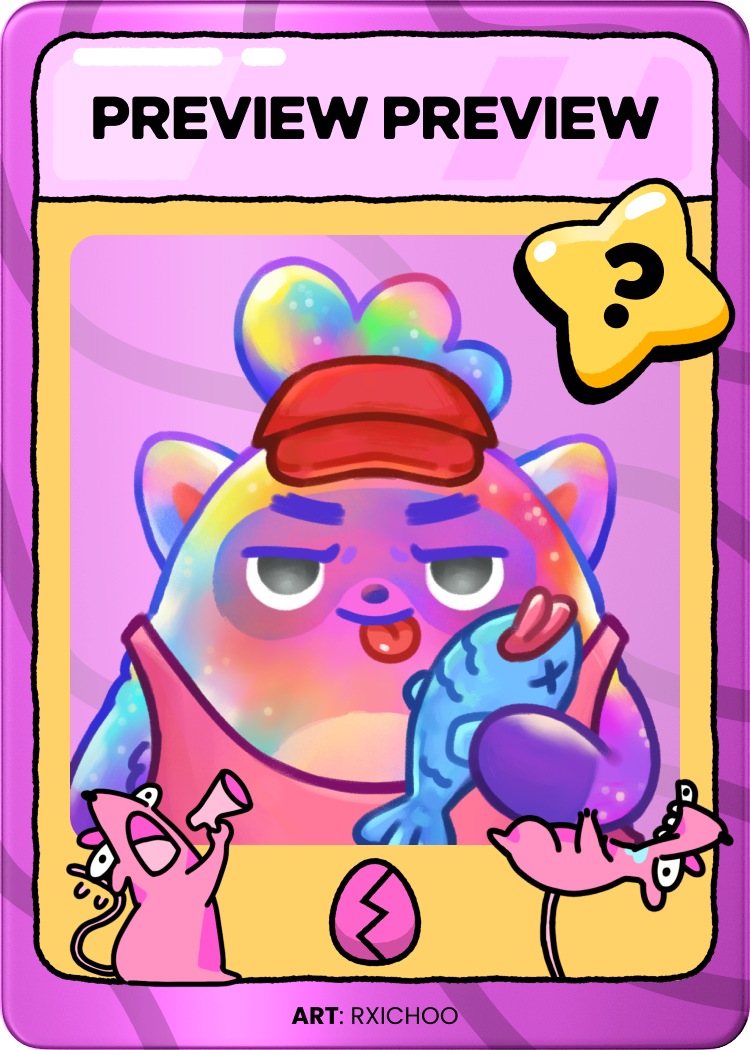
Overlays:
PACKS
We knew the pack opening moment was the heart of the Grand Arena experience. I started by deep-diving into what makes physical TCG packs feel exciting, then translated that energy into our 3D assets. I personally handled the modeling, lighting, and compositing for the entire pack lineup, ensuring the textures and shaders made the digital foil pop. My team handled the character illustrations, while I focused on the product photography aspect—creating the final single, 7 and 24-pack renders that anchored our marketing and platform store.
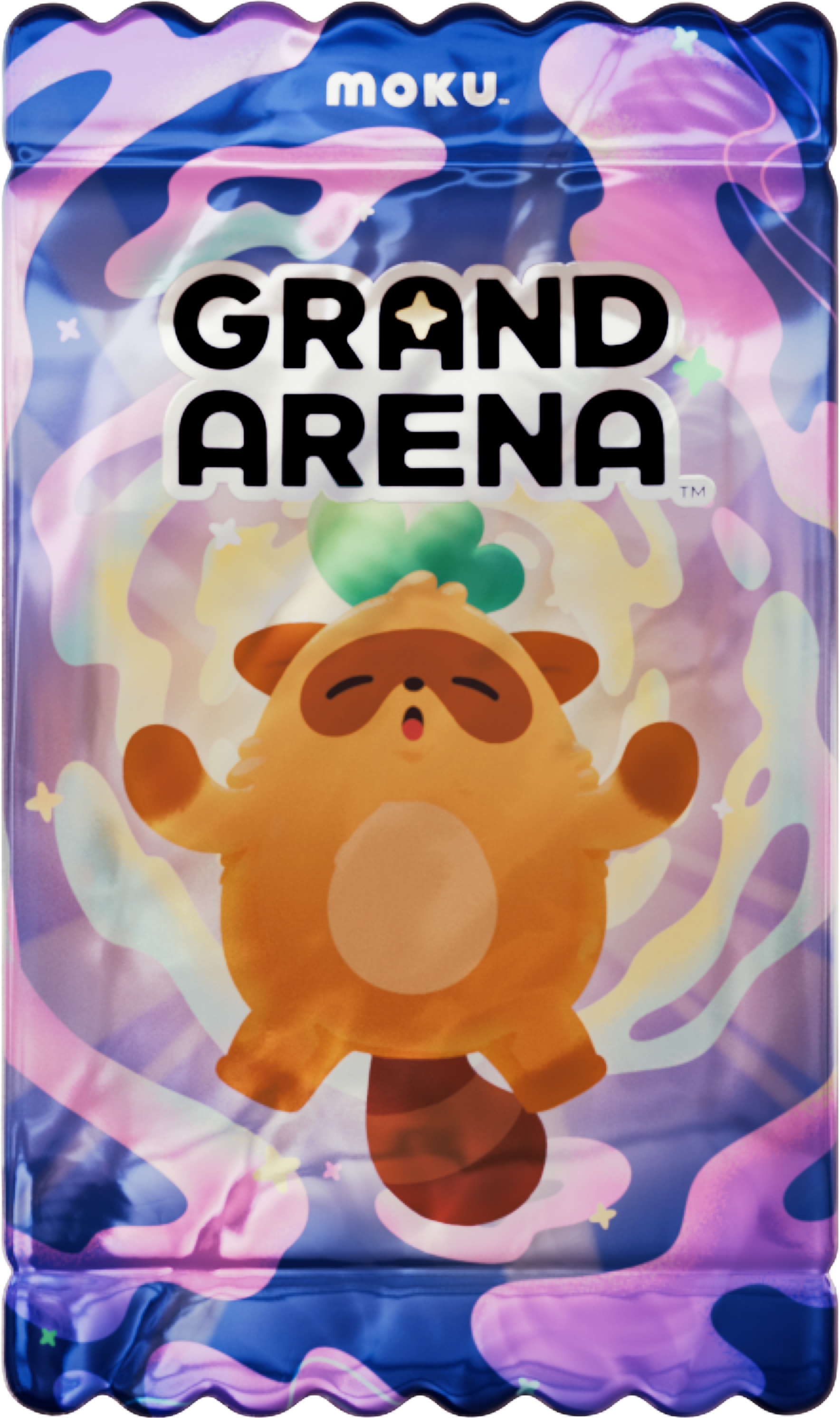
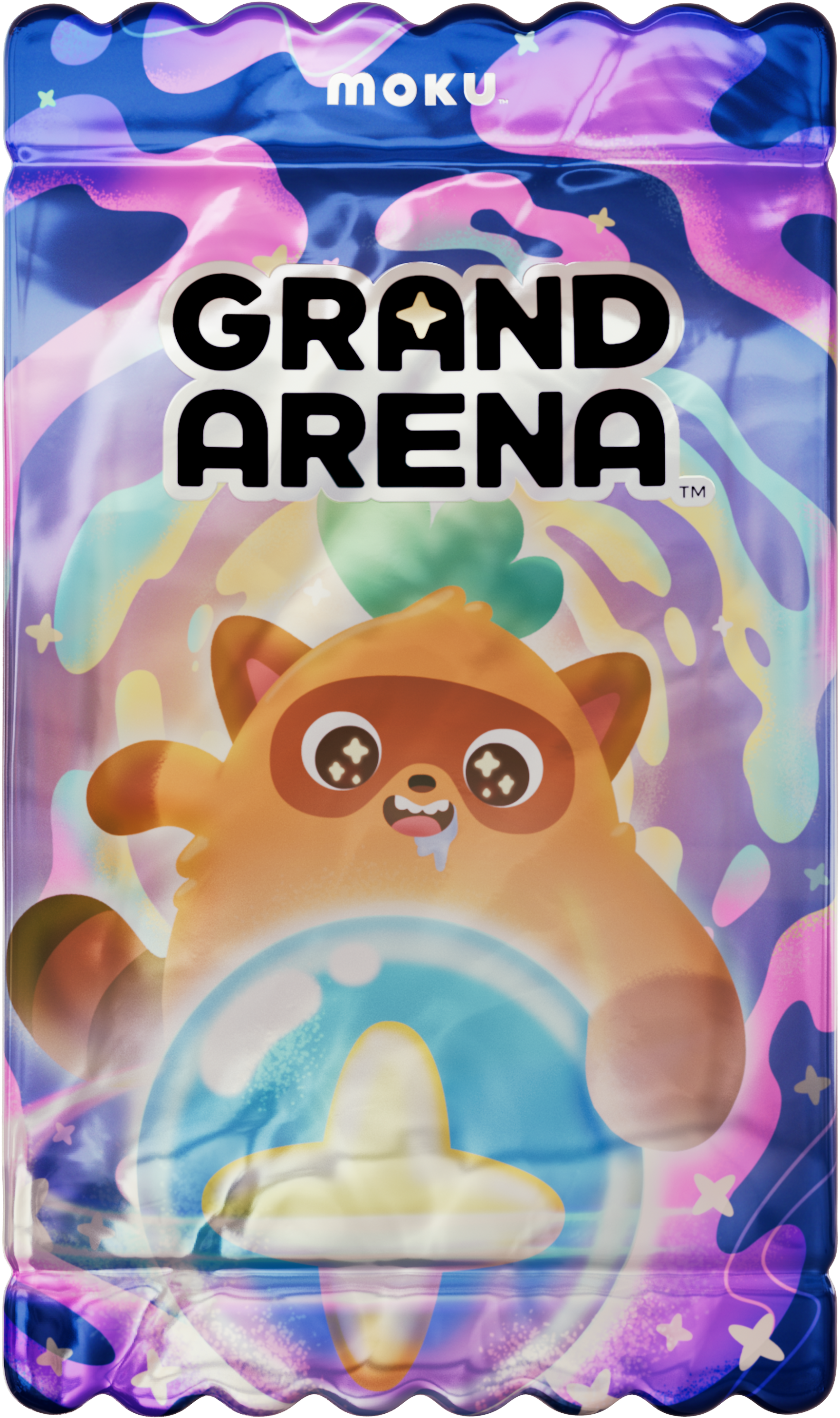
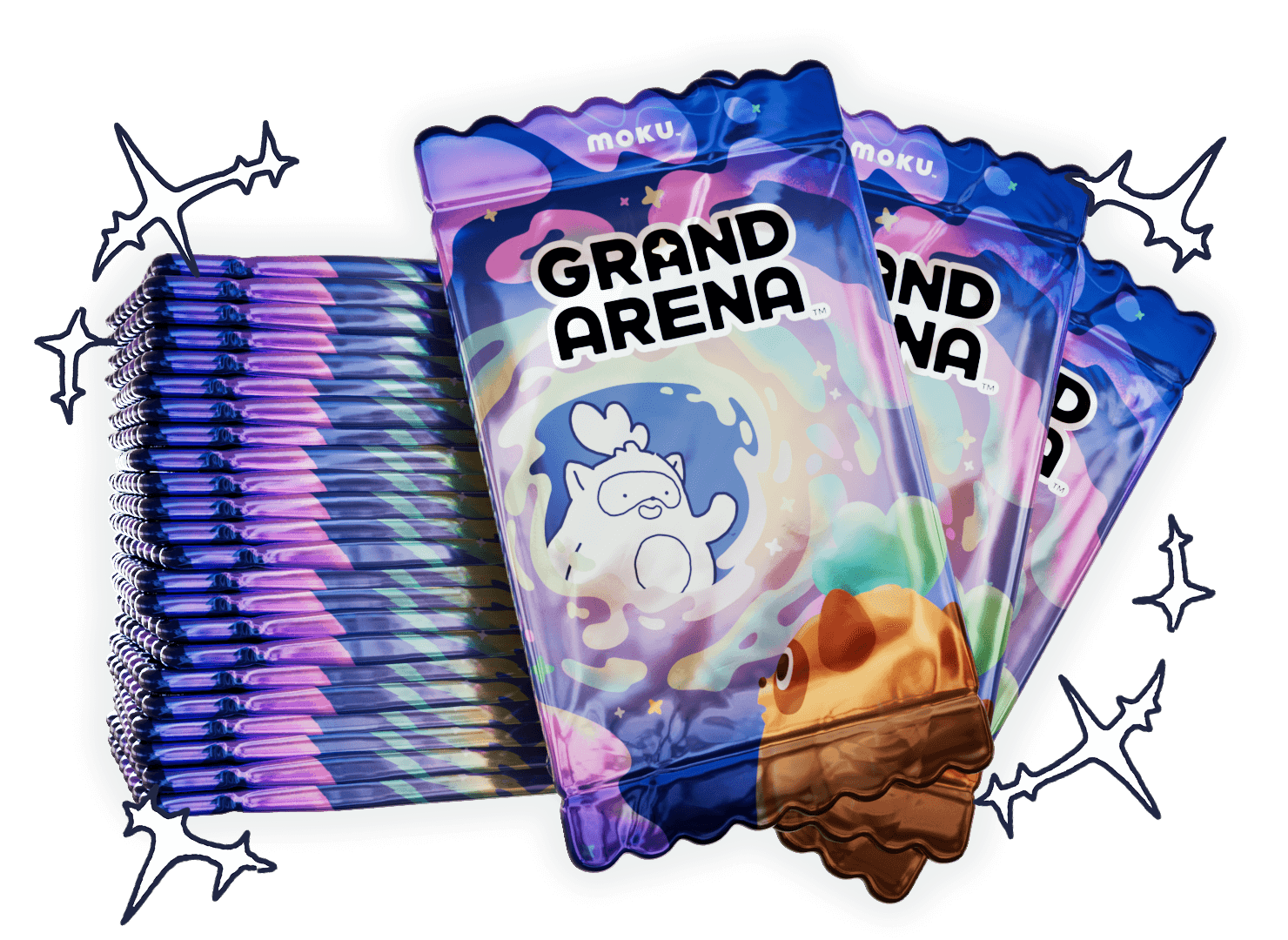
2D Pack Illustrations by Rafa Gallardo.
THE RESULTS

As Creative Director, my goal was to design a collection of digital trading cards that weren't just "art," but functional assets that powered a thriving, self-sustaining economy for the studio. According to the Ronin Market place, where this data is stored, the following stats are performance indicators at the time of writing this (April 2026).
Market Demand: The collection has seen over 3.25 Million RON (the local currency) in total trades. This represents over $715,000 USD in total sales, proving high demand for the visual assets I oversaw.
Ongoing Revenue: By building a royalty into every card, we created a "forever" revenue stream. Every time a player sells a card to another player, the studio earns a fee. This has generated over 260,000 RON (~$57,000 USD) in purely passive income for the company.
Massive Scale: We successfully launched and managed a library of over 860,000 unique digital cards. Despite this huge supply, less than 3% of players are currently trying to sell their cards—meaning 97% of our 4,300+ players are holding onto them because they value the art and the gameplay.
COMMUNITY RESPONSE
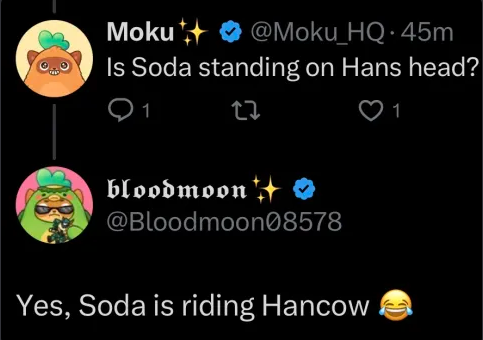
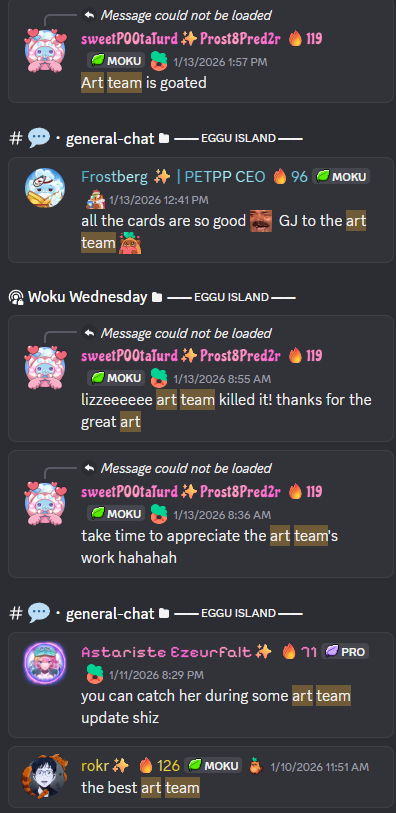
A Community Connected: By launch, we had a cohesive, scalable system that the community loved. The artists felt fulfilled because they had a clear "playbook" but room to experiment, and the players felt a deep connection to the assets. We proved that with a clear system and a bit of heart, you can scale "magic" without losing the quality.